by staff | Aug 8, 2017 | Death, Fentanyl, Heroin, Naloxone, Narcan, Opioids
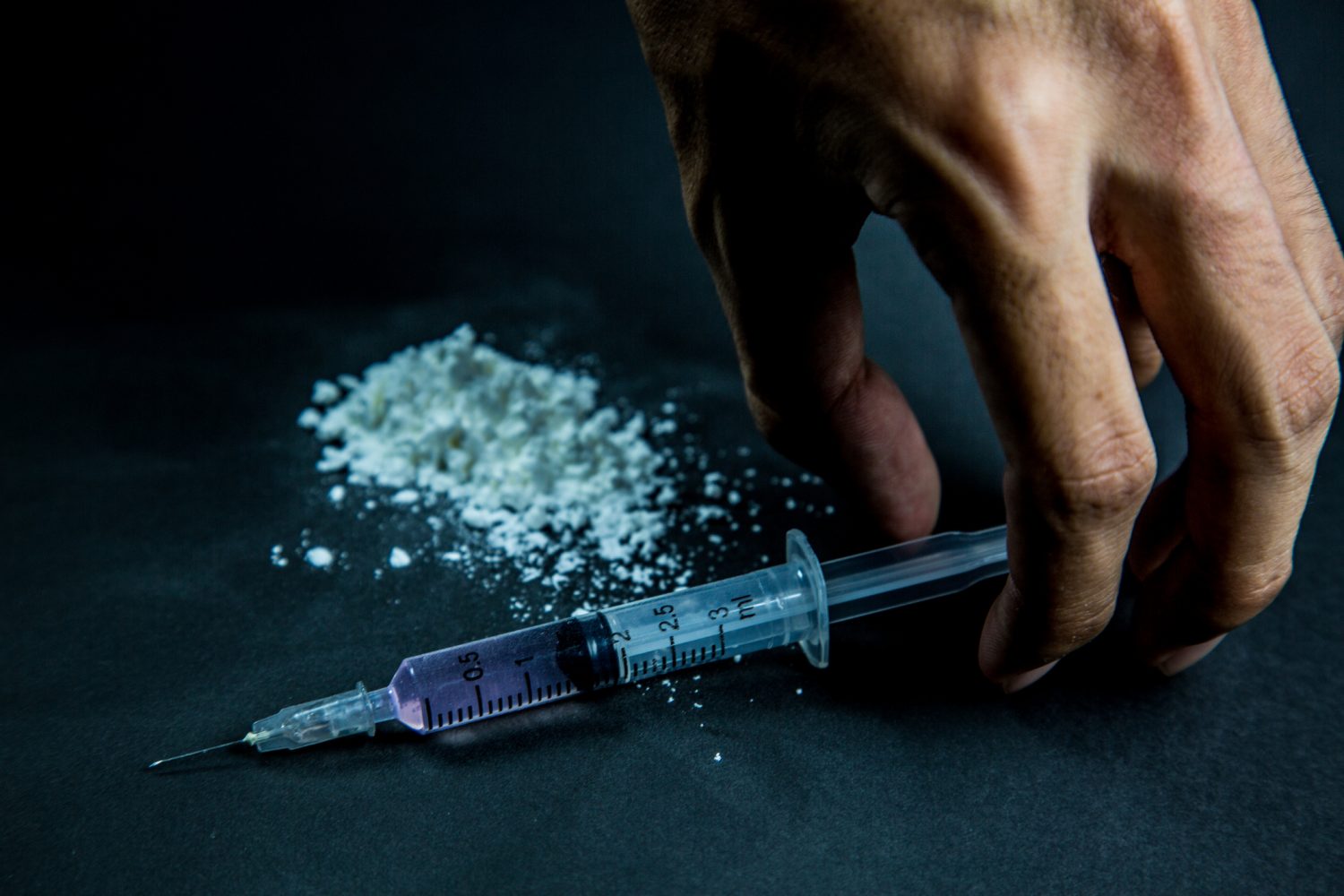
If you believe you or someone else is experiencing fentanyl overdose symptoms, please call 911 right away. Fentanyl is an extremely potent potentially fatal drug and should not be underestimated.
Fentanyl, also known as fentanil, is an incredibly potent synthetic opioid pain medication with a rapid onset and short duration of action. This drug is considered to be around 50 to 100 times more potent than morphine, while some fentanyl analogues such as carfentali, which are designed to mimic the pharmacological effects of the original drug, may be as much as 10,000 times more potent than morphine. Fentanyl brand names include:
- Actiq
- Duragesic
- Fentora
- Sublimaze
Individuals who abuse opioids, particularly heroin, are more likely to ingest fentanyl, knowingly or unintentionally. This puts them at an even higher risk of overdose.
In 2015 alone, 33,091 people died due to overdose on opioids like fentanyl.
Learning how to recognize the indications of a fentanyl overdose and getting professional substance abuse treatment may save a life.
Fentanyl Overdose Symptoms: Side Effects of Fentanyl
As an extremely potent opioid drug, fentanyl is very carefully prescribed and dosed by medical professionals. Those who abuse fentanyl may use the drug outside of prescription guidelines or without a prescription altogether, which can drastically increase their risk of lethal overdose.
Fentanyl’s most common side effects of Fentanyl use include
- Asthenia(weakness)
- Diarrhea
- Nausea
- Constipation
- Dry mouth
- Somnolence
- Confusion
- Sweating
Some of the less common side effects of Fentanyl use include:
- Abdominal pain
- Anxiety
- Depression
- Anorexia and weight loss
- Headache
- Fatigue
- Dizziness
- Nervousness
- Hallucinations
- Flu-like symptoms
- Dyspepsia(indigestion)
- Dyspnea (shortness of breath)
- Hypoventilation
- Urinary retention abuse
Fentanyl Overdose Symptoms: Risks of abuse
With a powerful drug like fentanyl the risk of abuse is exceedingly high, especially considering the drug’s medical use is so limited to treating extreme cases. So when people take fentanyl in higher doses or more frequently than prescribed it of course elevates their risk for serious side effects and experiencing fentanyl overdose symptoms.
As far as recreational use, fentanyl is extremely dangerous. Using this drug in any way other than intended, such as snorting or injecting it, is not only illicit abuse of the chemical, but potentially life-threatening. In recent years drug dealers have been mixing fentanyl powder with heroin to increase potency or compensate for low-quality heroin. This illegally manufactured, non-pharmaceutical fentanyl cut into other substances caused an outbreak of overdose deaths in the United States and Canada over the past several years.
Combining fentanyl with other drugs can have effects that either compound the already severe side effects of fentanyl or contradict the effect and cause more chaos in the body. Using fentanyl with other substances is very hazardous, especially with drugs such as:
- Alcohol
- Stimulants
- Benzodiazepines
- Antidepressant medication
The Center for Disease Control and Prevention (CDC) conducted a study recently that showed:
- 82% of fentanyl overdose deaths involved illegally manufactured fentanyl
- Only 4% were suspected to originate from a prescription
National Forensic Laboratory Information System reported:
- 942 fentanyl seizures in 2013
- 3,344 fentanyl seizures in 2014
Fentanyl Overdose Symptoms: Signs to Look For
Being able to address a possible overdose means being able to recognize and understand some of the possible fentanyl overdose symptoms. While one of these may not be a definite indication, noticing a combination of symptoms may be a more serious issue.
A person experiencing fentanyl overdose symptoms may present with the following overdose signs:
- Pinpoint pupils
- Pale skin
- Nausea
- Choking sounds or gurgling/snoring noises
- Weak muscles
- Dizziness
- Confusion
- Extreme sleepiness
- Very low blood pressure
- Dangerously slowed or stopped breathing
- Blue skin tinge nails and lips
- Loss of consciousness
- Intensely slowed heart beat
- Coma
- Seizure
- Death
The effects of fentanyl overdose symptoms on an individual’s respiratory system and heart rate are the most serious relating to risk of death or permanent damage. Not only can this lead to coma or death, but even after surviving the overdose there can still be complications.
If not treated immediately, the impact of fentanyl overdose symptoms on the heart and respiratory system may cause residual problems such as permanent brain damage.
Fentanyl Overdose Symptoms: How Much Is Too Much?
It is difficult to determine the exact dose it would take for someone to experience fentanyl overdose symptoms. According to some medical professionals, 250 micograms of fentanyl might represent a lethal dose of fentanyl. However, most individual’s using heroin and other drugs are unaware that they have ingested the drug at all, let alone know how much fentanyl is in the doses.
At the end of the day, fentanyl overdose symptoms can vary depending on the individual, and the amount it takes to overdose will vary to. Some elements that impact the odds of overdosing includes:
- Other drugs taken
- Height
- Weight
- Age
- Physical condition
In the event of an overdose of fentanyl you should seek immediate emergency medical assistance. Some cases require several doses of Narcan (Naloxone), the opioid overdose antidote, to stabilize the individual suffering from an overdose. Even if you have access to Narcan or Naloxone yourself, always contact emergency medical services to get assistance, because when the antidote wears off the overdose could return, or there may be other severe complications.
Opiate medications and street drugs have done a great deal of damage these past few years. Synthetic opioids like fentanyl have raised the risks and increased the death rates in a big way. Far too many lives are ruined, or brought to an abrupt end, because of overdoses when there is real help out there. Don’t wait until after an overdose. If you or someone you love is struggling with substance abuse or addiction, please call toll-free now.
CALL NOW 1-888-922-5398
by staff | Aug 7, 2017 | Addiction Treatment, Detox, Drug Abuse, Recovery, Withdrawal

(This content is being used for illustrative purposes only; any person depicted in the content is a model)
Repeated and extended use of most drugs can cause physical dependence to develop quickly in the body, and while many people experience symptoms of dependence differently, once it has been established there are typically a number of uncomfortable or even painful adverse effects. Many of these side-effects, specifically withdrawal symptoms, happen when trying to discontinue use of the substance. Many refer to this period of getting off of drugs as the detox stage. Detoxing from some substances can be harder on the body than others, while some can actually become life-threatening. When attempting to get off of drugs one of the most commonly asked questions is- how long does it take to detox your body from drugs?
There is no one-size-fits-all answer to this question. Withdrawal symptoms can appear quicker and last longer, depending on the individual and the factors of their drug use.
How Long Does it Take to Detox Your Body from Drugs: Questions to Ask
Because not everyone is exactly the same, their body will react differently based on their own personal health and their own habits. Typically an individual will experience the most serious withdrawal symptoms in the first two weeks of detox, but there are so many things that contribute to how this experience will affect you.
Here are a few questions you may want to ask:
-
What is the drug?
Different drugs will have different detox periods because of how long they stay in the system.
-
How much do you usually take?
For those who take larger amounts, they increase the chances of the body building up more of a tolerance to the drug.
-
How often do you use the drug?
Someone taking a drug multiple times a day every day has a better chance of developing a stronger dependence quicker than someone who uses once every couple of days.
-
What is your metabolism like?
Of course something that impacts how long a drug stays in your body is your metabolism. The quicker your body burns through fat, nutrients and other resources the quicker the residual deposits of the drug in the body will dissipate.
-
Are you generally healthy?
Those who not only take care of themselves, but are healthier in general may have an easier detox experience than those who are already not healthy and more often ill. For each individual there are a number of personal health that impact how long a drug stays in the system, including:
- Height
- Weight
- Age
- Genetics
- Gender
- Body fat
- Health of the liver
- Kidney health
- Hydration
Many key organs are involved in the metabolism or elimination of many of the drugs you take, such as digestive organs, respiratory organs, liver and kidneys. Some studies have made rough estimate of how long withdrawals may last for certain substances. However one cannot guarantee a general timeline can tell how long detox will take accurately considering each individual’s own health and habits can make these timelines vary.
How Long Does it Take to Detox Your Body from Drugs: PAWS
Sometimes people don’t expect to experience withdrawals after a certain point because they think the body has already overcome its dependence, however there are other effects of drugs that can be a challenge.
Post-Acute Withdrawal Syndrome (or Protracted Withdrawal Syndrome) is often referred to as PAWS. This the second stage of withdrawal. PAWS causes recovering addicts and alcoholics to feel some symptoms of withdrawal long after the initial withdrawal phase is over. So you may have fewer physical symptoms, but there are much more emotional and psychological symptoms that can continue to bother you.
PAWS occurs because your brain chemistry is gradually returning to normal. As your brain heals without constant use of potent drugs, the levels of brain chemicals fluctuate as they approach the new equilibrium.
Common Post-Acute Withdrawal Symptoms include:
- Mood swings
- Anxiety
- Irritability
- Variable energy
- Low enthusiasm
- Variable concentration
- Disturbed sleep
PAWS can often mimic depression, and increases the risk of relapse. So while the body may start to feel more refreshed and the aches and pains of physical dependence may be getting better, the brain is still struggling.
How Long Does it Take to Detox Your Body from Drugs: Why Medical Detox Matters
Some people may ask how long does it take to detox your body from drugs because they want to try and detox at home. This may seem like a more convenient approach, but it is definitely not the safest or most effective way. Medical detox matters because it is not so simple to predict how long someone will experience withdrawals.
Because some may experience detoxing from drugs differently, having an experienced medical staff, along with addiction specialists creates a safer and more effective environment to detox. Medical detox provides a safe and secure space to get through this beginning difficult stage of recovery, while offering quality care and assistance to each individual and their needs.
The Palm Healthcare Company detox facility has a 24-hour medical and addiction professional staff to continuously evaluate individual progress and provide comprehensive support during this process. Our highly qualified specialists genuinely strive to make recovery possible for everyone who needs help. If your or someone you love is struggling with substance abuse or addiction, please call toll-free.
CALL NOW 1-888-922-5398
by Justin Mckibben | Aug 7, 2017 | Heroin, Methadone, Naloxone, Narcan, Opioids, Prescription Drugs
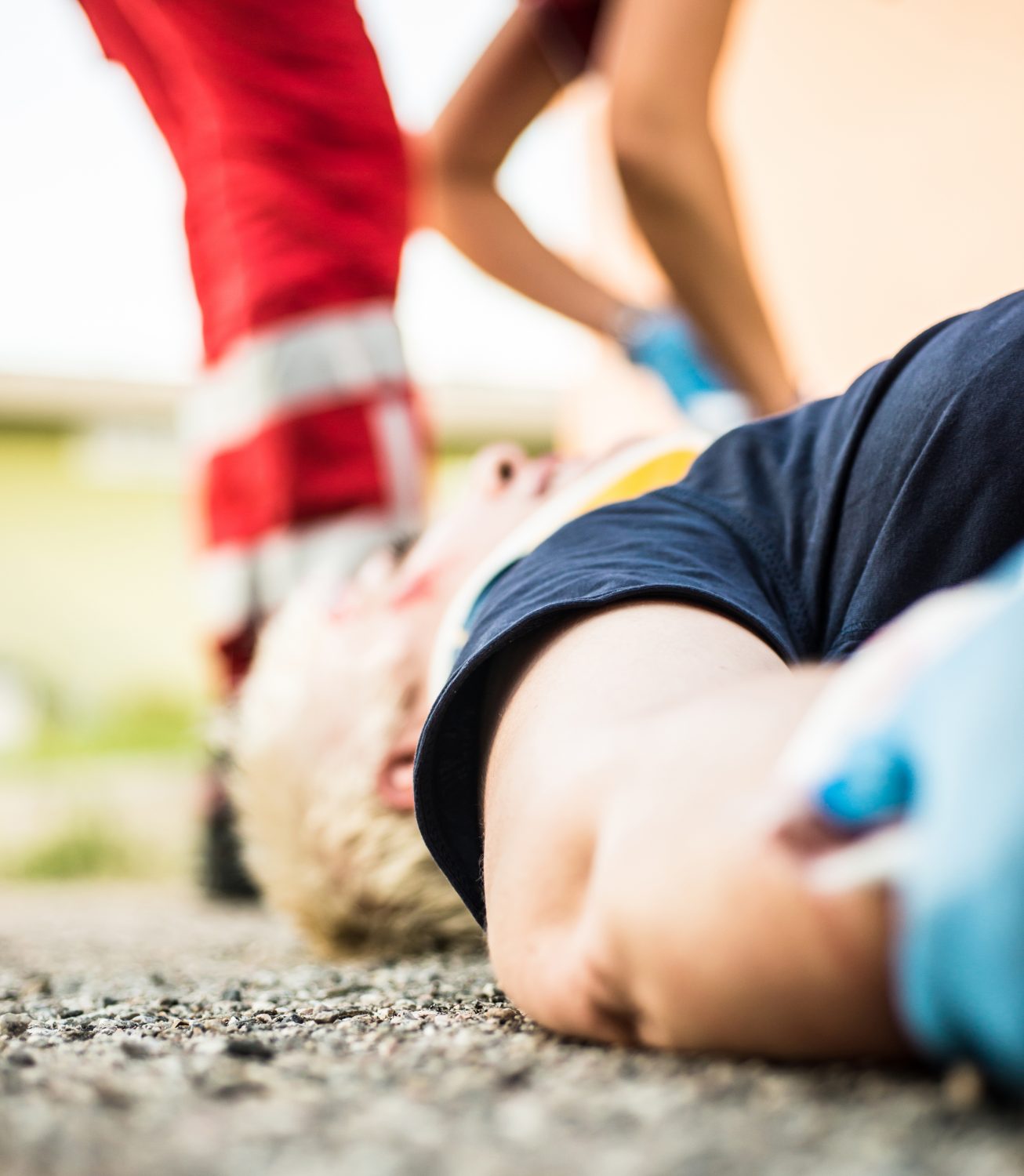
Narcan is a brand name for the opioid overdose antidote Naloxone hydrochloride. Technically speaking, the opioid antagonist is a synthetic congener of Oxymorphone that is structurally different in that the methyl group on the nitrogen atom is replaced by an allyl group. In the past couple years Narcan has gradually become a household name. With the opioid epidemic in America continuing to ravage many communities across the nation, Narcan has become one of the first lines of defense. For some people, while they know now what this powerful substance is, they are still unsure how to use Narcan to stop an opioid overdose.
NOTE: All instructions in this article come from the Harm Reduction Coalition website. You can also look for Narcan/Naloxone training in your area. Different brands may provide more specific instructions. Be sure to real labels and warnings on Narcan or Naloxone kits.
How to Use Narcan: More about Narcan
Narcan works by blocking the effects of opioids and can actually reverse an overdose in order to get medical attention to someone who is in need. The life-saving opiate antidote is used for the complete or partial reversal of opioid depression, including respiratory depression. An opioid overdose can cause breathing to slow down or stop completely, putting someone’s life in immediate danger. Some examples of opioid overdoses Narcan may be used to reverse include the drugs:
- Heroin
- Morphine
- Codeine
- Oxycodone
- Methadone
- Vicodin
One major plus is that Narcan has no euphoric effects and cannot get someone “high” so abuse is not an issue. The overdose antidote is essentially harmless if there are no opiods present in someone’s system. If given to a person who has not taken opioids, there will be no effect. Narcan can still be effective when alcohol or other drugs are present with opiates. However, some of the incredibly potent synthetic drugs such as Fentanyl and carfentanil have shown to be somewhat resistant to Narcan treatment, meaning those overdosing due to carfentanil require extra doses to be stabilized.
Administration to opioid-dependent individuals may cause symptoms of opioid withdrawal, including:
- Restlessness
- Agitation
- Nausea
- Vomiting
- Fast heart rate
- Sweating
There are other measures that can be taken to help ease these symptoms as well.
How to Use Narcan: Intravenous Infusion
The most rapid onset of action is achieved by intravenous administration, which is recommended in emergency situations. Narcan may be diluted for intravenous infusion in either:
- Normal saline
- 5% dextrose solutions
2 mg of Narcan mixed in 500 mL of either solution provides a concentration of 0.004 mg/mL. Narcan should not be mixed with preparations containing:
- Bisulfite
- Metabisulfite
- Long-chain or high molecular weight anions
- Any solution having an alkaline pH
No drug or chemical agent should be added to the mixture unless its effect on the chemical and physical stability of the solution has first been established. To use the injectable Narcan:
- If the person is not breathing perform rescue breathing for a few quick breaths.
- Use a long needle (called an IM or intramuscular needle) which about 1 – 1 ½ inch. NOTE: If there isn’t a big needle, a smaller needle is OK and inject under the skin, but big needles are better.
- Remove the pop off orange top from the vial
- Draw up 1cc (1cc=1mL=100u) of antidote into the syringe
- Inject into a muscle, the best being thighs, upper, outer quadrant of the butt, or shoulder. NOTE: Inject straight in to make sure to hit the muscle.
- After injection, continue rescue breathing 2-3 minutes.
- If there is no change in 2-3 minutes, administer another dose and continue to breathe for them.
NOTE: If the second dose of naloxone does not revive them, something else may be wrong— either it has been too long and the heart has already stopped, there are no opioids in their system, or the opioids are unusually strong and require more naloxone (such as Fentanyl or carfentanil).
For more information, you should be able to find instructions in the Narcan kit, or inquire when picking up a Narcan kit about any opportunities to receive more in-depth training.
How to Use Narcan: Nasal Spray
Another resource that has helped make huge progress in fighting opioid overdose death rates is the Narcan (or Naloxone) nasal spray kit. The variation has made training people to administer the overdose antidote much easier and much less dangerous. Without needles, the nasal spray system helps eliminate the issue of blood contamination.
According to instructions posted through the Harm Reduction Coalition, there are about 5 steps for how to use Narcan with nasal spray.
- If the individual is not breathing perform rescue breathing for a few quick breaths.
- Attach the nasal atomizer (applicator) to the needleless syringe and assemble the glass cartridge of naloxone.
- Tilt the head back and spray half of the naloxone up one side of the nose (1cc) and half up the other side of the nose (1cc).
- If there is no breathing or breathing continues to be shallow, continue to perform rescue breathing for them while waiting for the naloxone to take effect.
- If after about 3 to 5 minutes there is no change, administer another dose of naloxone and continue to breathe for them.
NOTE: If the second dose of naloxone does not revive them, something else is wrong—either it has been too long and the heart has already stopped, there are no opioids in their system, or the opioids are unusually strong and require more naloxone (such as Fentanyl or carfentanil).
Regardless of if you use an intravenous Narcan kit or a nasal spray kit, Narcan should never be used as substitute for emergency medical care. In the event of an opioid overdose one should always call 911 right away, even if the individual wakes up. Narcan can wear off between 30-90 minutes, while the effects of the opioids can last much longer. It is possible that after Narcan wears off the overdose can return.
Also look into Narcan training programs in your area.
How to Use Narcan: Get More Help
When someone has to be revived from an opioid overdose it can be a pretty clear cut indication that something needs to be done in order to help them stay safe.
Another difficult aspect of how to use Narcan is that naloxone can cause uncomfortable opioid withdrawals. Because Narcan blocks the action of opioids in the brain, people can wake up feeling withdrawals practically immediately and try to use again. Of course this could result in another overdose.
Beyond administering Narcan to save someone’s life, take this as an opportunity to seek resources and start a conversation about getting them the help they need. Preserving life is important, but saving a life by changing a life can make a world of difference. There are empowering and innovative addiction treatment programs that specialize in addressing this chronic, progressive and fatal substance use disorder. After surviving an overdose presenting someone with the opportunity to get treatment may be the best chance they get.
Holistic addiction treatment allows people who were once hopeless build the foundation of hope again. If you or someone you love is struggling with substance abuse or addiction, please call Palm Healthcare Company. We want to help.
CALL NOW 1-888-922-5398
by Sher Delva | Aug 4, 2017 | Addiction, Celebrity, Drug Abuse, Mental Health, Stigma, Therapy

Any James Franco Fans Out There?
James Franco recently opened up about what he calls his “addictive personality.” It turns out the actor/director has struggled with workaholism and mental health his entire life.
Franco is known for his eclectic resume, starring in films such as Milk, Spiderman, Spring Breakers and City by the Sea. He has appeared in television shows like Freaks and Geeks and General Hospital.
The interview, with Out magazine, was to promote his upcoming HBO series, The Deuce. Franco chatted with novelist Edmund White about some of the challenges he faced, and how he managed to overcome them.
Teenage Angst
Franco’s troubles start way back in his teen years. During this period, he was arrested for underage drinking, graffiti, and shoplifting, among other things. Reflecting on that time, Franco told the Guardian, “It was teen angst. I was uncomfortable in my own skin. I was shy.”
Franco found acting as a way to cope and passionately immersed himself in it. He found acting to be an excellent outlet for his personality type. However, soon acting “became everything” to the point where he did not even socialize.
After doing nothing but working, Franco says he realized he was depressed, isolated and lonely.
“I really threw myself into it, and that became everything, to the point where I didn’t even socialize. And then after, like, 10 years of that, at age 27, I realized, ‘Man, I’m so depressed. On the surface my life seems pretty good—I have a career and everything—but I feel isolated and lonely,’” he admits
To combat these feelings, he decided to switch gears and go to school at Brooklyn College. However, just like with acting, academics became the focus of all his attention, and he was obsessive with that as well.
“I threw myself into school, but again it was just this sort of running, running, running,” he says.
Franco told Out that it has been difficult to overcome his workaholism. One of the ways Franco has found helps is through participating in activities like surfing and taking classes at the International Dance Academy on Hollywood Boulevard.
He says these activities are part of his “therapy,” to help him overcome his work addiction.
“It’s a kind of therapy for me,” he said. “I’ve started a new chapter of my life. I was very work-addicted and addicted to other things—not substances, I got over that a long time ago—but I’ve recently changed my life, and this is part of my therapy.”
—
What is a Workaholic?
The concept of workaholism or workaholic behavior is very misunderstood. Often, people see these behaviors as positive qualities. You might even hear people joke about how they are a workaholic as a way of describing their passion for their job and solid work ethic.
The truth is workaholism is a real condition that can severely impact a person’s life. People addicted to work sacrifice their social life, families, and personal connections due to their obsessive desire to work.
But what’s the difference between a hard worker and a workaholic?
This is a very common question. A hard worker is someone who works very hard while at work and completes all of their tasks, yet still manages to find a healthy balance between work and personal responsibility. Of course, the occasional burst of overworking may occur to meet important deadlines however, this is not the norm.
Workaholics, on the other hand, are unable to make this differentiation. They view work as a source of adrenaline. They feel they must work harder than everyone else and put in more hours in order to succeed.
Workaholics achieve one goal and immediately set more ambitious ones. Staying at the same level of accomplishment is a failure and results in incredible distress. Workaholics sacrifice their health, family, and personal life in order to work.
Overall, workaholism is something rarely addressed, but like Franco, people who struggle with workaholism often need professional help. If you are struggling with workaholism, mental illness, or substance abuse, please reach out. You are not alone. Call now.
CALL NOW 1-888-922-5398
by Justin Mckibben | Aug 2, 2017 | Addiction, Drug Abuse, Heroin, Opana, Opioids, Prescription Drugs
America knows all too well the devastation of opioid addiction. With an overdose outbreak that has been progressively damaging and related death rates becoming increasingly alarming, we have reached new depths of drug-induced desperation. Therefore, the news from the Commission on Combating Drug Addiction and the Opioid Crisis is not all that shocking. The panel charged with examining the nation’s opioid epidemic is now urging the President to declare a national public health emergency to combat the ongoing crisis.
When we look at the history of American presidents announcing a ‘state of emergency’ it typically has to do with national security, foreign policy and war, or natural disasters and viral illness. So, to put the issue of addiction up next to these drastic calls to action might just bring a new level of intensity to battling opioid addiction in America.
American overdose deaths involving opioids have quadrupled since 1999. From 2000 to 2015, more than 500,000 people died of drug overdoses. The majority of these overdose deaths have opioids involved.
In America, drug overdoses now kill more people than gun homicides and car crashes combined.
Opioid Commission Calls for Action
The Republican New Jersey Governor Chris Christie was enlisted as the chair of the opioid commission back in March. The opioid commission also includes:
- Democrat Governor Roy Cooper of North Carolina
- Former Democratic Representative Patrick Kennedy of Rhode Island
- Republican Governor Charlie Baker of Massachusetts
At the time the commission was created Chris Christie said the idea behind the administration’s new approach to fighting addiction would focus a lot on assisting the Center for Disease Control and Prevention (CDC). This week the opioid commission’s statement calling for the President’s immediate action states:
“Our citizens are dying. We must act boldly to stop it. The first and most urgent recommendation of this Commission is direct and completely within your control. Declare a national emergency.”
While insisting that the administration put forth an emergency declaration, the specially appointed opioid commission said that Trump is the-
“-only person who can bring this type of intensity to the emergency and we believe you have the will to do so and to do so immediately.”
The opioid commission was deliberate in the details, acknowledging that with 142 Americans dying every day from drug overdoses-
“America is enduring a death toll equal to September 11th every three weeks.”
When you think about it in this context, the statistics become even more startling and horrifying. The fact that so many men, women and even children in America are losing their lives to drugs like heroin and prescription pain medication. The opioid commission went on to say:
“Your declaration would empower your cabinet to take bold steps and would force Congress to focus on funding and empowering the Executive Branch even further to deal with this loss of life,”
“It would also awaken every American to this simple fact: If this scourge has not found you or your family yet, without bold action by everyone, it soon will.”
In the last few months there has been some waves of criticism against the opioid commission after missing two deadlines to release this report in June and July. Now that the report is finally here, what can be done to address the concerns the opioid commission brings with it?
Will the White House Take Action?
According to initial reports the White House intends to “immediately” review the recommendations of the opioid commission. In the statement from the White House:
“The opioid crisis is a tragedy that has been harming America’s communities for far too long. We appreciate the Commission’s hard work on this important interim report. We will immediately begin reviewing its recommendations, and eagerly await its final report.”
The final report from the opioid commission is expected to be submitted during October. Still, many are hoping the Trump administration does not wait that long to start planning for a response.
The opioid commission made many recommendations in the interim report for efforts to curb the opioid epidemic and the increasingly high death rates. Those recommendations include:
- Rapidly increase treatment capacity for those who need substance abuse help
- Establish and fund better access to medication-assisted treatment programs
- Make sure that health care providers are aware of the potential for misuse and abuse of prescription opioids by enhancing prevention efforts at medical and dental schools
- Equipping all law enforcement in the United States with naloxone to save lives
Naloxone is the opioid overdose antidote used by first responders to save people overdose victims. So far access to Naloxone and Narcan, the name brand, has expanded, but many think not nearly enough.
With the fight for healthcare in Congress seeming to hit every rough patch possible on the road to settling on legislation, people are already worried about how coverage may or may not change for tens of millions of Americans. So the concern for how to face a growing addiction problem while simultaneously afflicted with a potential healthcare crisis is very real for a lot of people.
Time will tell if the Trump administration acts on the suggestion to declare a state of emergency to call more action toward the opioid epidemic. And if they do declare it, what will change?
Palm Healthcare Company Offering Holistic Health
While Palm Healthcare Company is not qualified to fix all the problems in politics, we do believe in providing quality care to as many men and women struggling as possible. Palm Healthcare Company facilities create a safe, comfortable and effective environment to experience powerful and life-changing courses and treatments focused on holistic health.
While the opioid epidemic may not be an easy issue to solve, Palm Healthcare Company believes in helping those who have suffered from addiction to opioids and/or other drugs find a new way and a second chance. With medical detox, personalized inpatient and outpatient treatment options and aftercare opportunities such as Recovery Coaching, Palm Healthcare Company wants to support every part of your journey.
Overcoming the opioid epidemic means helping those who have suffered heal.
Drug abuse and addiction is a devastating and deadly disease, and providing effective and compassionate treatment makes a lifelong difference. If you or someone you love is struggling with substance abuse or addiction, think about who you want to be working with to find a real solution. Please call toll-free now.
CALL NOW 1-888-922-5398
by Sher Delva | Aug 1, 2017 | Celebrity, Mental Health, Recovery, Stigma, Therapy

At the age of 18, David Dweck decided he was going to bypass college and get a job working at a recording studio. When everyone heard about his decision, they all told him it would never happen.
Instead of giving up, Dweck responded with “Watch me.”
Soon enough, Dweck was working at a recording studio over the summer in New York City.
—
That same tenacity followed Dweck over the course of his career in both the music industry and in real estate. These days, Dweck is a real estate renegade, who leads Florida’s number one real estate club, Boca Real Estate Investment Club (BRIC).
Recently, David Dweck appeared on The Real Deal On… with Dug McGuirk where they discussed the topic of reinvention. Dweck says reinvention has been a major theme in his life both personally and professionally.
Originally, Dweck desired to work in a recording studio as an audio engineer. He was willing to do whatever it took to achieve that goal, even work for free.
Fortunately, his determination paid off. Three stations offered Dweck a job, and he ended up working for a company called Media Sounds.
“I knocked on doors, and I said, ‘I’m hungry, and I’m willing to work for no money, I’m willing to sweep floors,’ and Media Sounds said, ‘Nope, we’ll pay you and we’ll hire you as the night time receptionist,’” he remembers.
Media Sounds was a radio station based out of New York City. Dweck worked the night shift as a receptionist from 4 pm to midnight. Working in the evenings was an exciting time, Dweck says. On one occasion, he even met Mick Jagger.
“A lot of good stuff happens to you at night,” he says. “I walk in for my 4:00 shift and I remember Lisa, the woman I replaced, she got off at four. She goes, ‘You won’t believe who’s downstairs in Studio B!’”
Dweck says it was a “surreal” experience and when he looks back at his time in the music industry, he does not have any regrets.
“I got a taste of it, and that was gratifying,” he says. “No regrets. I sit here today happy with the time I had there.”
Dweck’s Career Revolution
Despite his success, Dweck began to realize how fleeting the career of an audio engineer really was. As a result, he decided to go to college and earn his degree in Communications at the University of Miami. He then spent close to five years working in radio and production sales.
While he was passionate about his career in communications, he eventually decided to pursue a different path. His decision was based on the major shifts he continued to see occurring in the radio industry.
For example, Dweck’s bosses at Media Sound were two very successful, educated men. They put a classified ad in The New York Times that said “Young men with unlimited capital willing to finance legitimate business venture.”
“What was that venture? They financed Woodstock. Those were my bosses. They sold the studio,” he says.
“That’s when the light bulb went out,” he says. “If they’re getting out, that’s a sign.”
Ultimately, Dweck “saw the writing on the wall” and decided to move toward a career in real estate.
“I realized that real estate would be the long term path to benefit my family and to create a life style,” Dweck says.
Still, pursuing real estate did not come without its own set of challenges.
“At the time, I was starting a family, and it was a very big risk to take, and I embraced that,” he says.
Despite the risks, Dweck started his career as a real estate investor. He acquired his real estate license in 1993. He was determined to succeed despite the voices that told him there was no money in real estate and that it was too much hassle to bother with.
“I strategized both short-term and long-term realizing this will be my retirement, so for every house that I bought, built and sold, I also would take that money, reinvest it into a rental property and get bank financing,” he says.
Dweck had to learn the ropes in real estate, so he started studying and learning from mentors. His mentors taught him how to deal in reality and not in theory. This inspired him to create the Boca Real Estate Investment Club.
“That’s one of the reasons why I started the Boca Real Estate Investment Club because there’s really not a how-to manual for investors back in the day, especially down here in South Florida. It’s kind of like the wild, wild west.”
More Challenges: Overcoming the Recession
In 2007, Dweck was faced with another major challenge: the declining economy. Along with the decline in the real estate market, Dweck’s marriage was declining as well.
“When your business is suffering, you want that life time partner, not only behind you but beside you, and I did not have that,” he says.
“That really hurt, so I had to dig in deep because, in 2008, it was on, and I was coming into the office every day and doing damage control, watching the relationships I’ve built and watching people suffer.”
Dweck remembers seeing one of his friends, who was worth 60 million dollars at the time, lose it all.
“I’m thinking ‘Wow, the sky is falling.’ I’m like mystified,” he says.
Fortunately, Dweck was relatively conservative with the risks he took. Still, he began to question whether or not he should give up on his career in real estate.
“I said, ‘Do I hang up, do I just call it a day and reinvent?’”
“The answer, I answered myself, and that answer was a resounding no, I’m not going to do that. I’m going to dig in so deep that whatever it takes, I’m gonna find solutions,” he says
Overall, the experience taught him who his real friends were and how resilient he was.
“You never forget these challenges and how you are able to rise to the challenge,” he continues.
Ultimately, Dweck’s resilience and courage helped him navigate all the obstacles thrown his way. He defines courage as having “balls” and feels this applies to both men and women.
“I think you really have to have a lot of self-belief and have the courage to not just try, but really go for it,” he says.
Reinvention is about having the courage and “balls” to persevere despite life’s challenges. Dweck’s journey defines reinvention. Please check out the full interview for more insights into Dweck’s career in real estate, and hear the crucial advice he gives to those struggling in their own journey.
If you feel like giving up, remember it is never too late to make a transformation. Please reach out if you are struggling. We are here to help. You do not have to do this alone. Call now.
CALL NOW 1-888-922-5398
by Justin Mckibben | Aug 1, 2017 | Addiction Treatment, Drug Abuse, Drug Policy, Inpatient Treatment, Law Enforcement, PAARI, Recovery, Vivitrol
Against the back-drop of divisiveness about the relationship between the public and law enforcement, it is important to recognize the police departments and citizens working together to triumph over the greatest obstacles our communities face. All across America the words ‘protect and serve’ still mean something, and many of the brave men and women behind the badge are fighting to help addicts get a second chance.
The Gloucester Police Department in Massachusetts set an inspiring new precedence back in 2015 when they began an initiative to allow drug users come to the police to ask for help. Users were told they could submit drugs to local law enforcement without fear of punitive action, and ask for help getting into inpatient treatment. This amazing shift in approach created a new sense of compassion for the addicts struggling to get clean, setting up a new system to try and heal the community instead of punish it. Police helping addicts into treatment has since become a growing trend in several states as more and more officials realize that the old ways aren’t really working.
A study published December of 2016 in The New England Journal of Medicine found the Gloucester program was showing admirable success.
Community advocates, police officers and political officials across America have begun modeling new programs after this approach, while others are pushing for similar opportunities. Some of these programs have been especially successful, while others have not been particularly sought after. Checking in on the way different areas are handling the opioid crisis and overdose outbreak, these initiatives make us believe there is still hope on the horizon.
Programs with Police Helping Addicts into Treatment
Let’s look at some of the programs that have adopted this new approach to supporting their suffering neighbors instead of trying to punish their way out of the problem.
-
Safe Passage
The Safe Passage program was also started 2 years ago by the Police Department of Dixon, Illinois. Since then it has extended to a few other close by counties. Safe Passage has helped place 170 people into treatment, and so far the Police Chief Danny Langloss reports that more than half of those who got access to treatment through the program have had success after rehab.
Chief Langloss claims that in 2016, misdemeanor and felony drug arrests dropped by 39%, and he believes Safe Passage had a lot to do with it.
-
A Way Out
Police helping addicts into treatment in Lake County have joined forces from several areas to offer participants a change to receive addiction treatment. A Way Out launched a year ago, and according to their sources an average of around 12 people a month have reached out for help through the program. If this went on for a steady 12 months that means at least 144 people have been given a chance at getting help.
A Way Out accepts participants no matter where they live. According to Mundelein Police Chief Eric Guenther some families have brought their loved ones from different states to get access to treatment. Some instances there have even been individuals with criminal charges who have their warrants waived to enter the program.
-
Connect for Life
Naperville, Illinois also has a strong force of police helping addicts into treatment. Their version, called Connect for Life, directly connects individuals in need of treatment with social workers and recovering addicts who have stayed clean after treatment called ‘recovery liaisons’.
The idea here is to stay connected with each individual through the process of finding treatment, and beyond that to help them with finding sober homes, employment opportunities and other resources.
-
Kindness
Anaheim Police Department in California has its own program offering free treatment to any drug users willing to ask for help. Part of the Kindness initiative with police helping addicts into treatment is the offer to receive the Naltrexone implant, which is designed to block the effects of opioids and alcohol in the brain.
Law enforcement officials in Anaheim acknowledge that they cannot arrest away addiction. They are hopeful eliminating the fear of asking for help will be instrumental in saving more lives.
-
HOPE
In Nashville, North Carolina the Police Department started an initiative called HOPE, modeled after the Gloucester Police Department’s program. Since it launched back in February of 2016, about 172 people from multiple states have sought treatment through HOPE.
Again, police notice a profound impact on their community, crediting a 40% drop in crimes related to substance use disorder to the HOPE program.
-
Chatham Cares 4 U
A year ago in July, the Chathman, New York Police Department teamed up with PAARI to create the Chatham Cares 4 U Outreach Initiative Program. The police helping addicts into treatment urged their communities to feel safe coming to the police station to turn over drugs and paraphernalia, and to ask for help with treatment.
Chatham Cares 4 U and the success it has brought to the community has inspired other police departments in the state to create similar addiction recovery initiatives in their communities. Chathman Police Chief Volkmann also travels around New York to speak to police departments and other organizations about the program.
-
Safe Stations Program
In Maryland, Anne Arundel County Police and Fire Departments are collaborating with the Annapolis Police and Fire Departments to offer help to drug users in their area. The Safe Stations program launched in April of this year, opening the doors to the combined 38 stations for individuals seeking help with their addiction. Safe Stations was the first of its kind in Maryland, with locations open 24 hours a day, 365 days a year to people needing help.
In just the few months it has been open, this initiative of police helping addicts into treatment has already placed over 18 people into treatment.
The Police Assisted Addiction and Recovery Initiative
The PAARI program is a nationwide nonprofit organization that was started to support any local police departments in their efforts to work with opioid addicts. In the midst of the opioid epidemic there has been a massive movement toward innovative strategies for helping people, and the PAARI united after the Gloucester Police Department instituted their revolutionary program to focus on saving lives and changing them for the better.
The PAARI works with various elements across the country, including:
- The medical community
- Science-based recovery programs
- Police departments
PAARI is made up of private citizens, philanthropists, business owners, law enforcement leaders, and prominent members of the academic community who all share the same mission of helping those addicted to drugs in their area get the help they desperately need. PAARI coordinates with volunteers, corporate partners and treatment centers, along with police helping addicts into treatment.
The first annual report for the PAARI made a very exciting statement, saying:
“Communities that have joined PAARI have observed as much as a 25% reduction in crimes associated with addiction, cost savings by diverting people into treatment rather than triggering the criminal justice system, as well as an enormous increase in trust from their communities.”
Participants in the program speak in overwhelming praise of the PAARI program’s methods.
More Compassion Changing the World
While some people are still pushing the argument that ‘tough on crime’ and the War on Drugs are the best way to end the addiction issue, we have seen time and time again that we cannot punish and imprison our way out of addiction. Compassionate programs using community resources to help people get better instead of making their lives worse seems like a better way of taking care of each other.
We are happy to see so many police helping addicts into treatment all over the country, and we hope more communities chose to use resources to help those struggling find a chance to change their lives.
Palm Healthcare Company knows that compassion is a key element of comprehensive and effective care for substance abuse and addiction treatment. Our hope is that more community leaders, politicians and law enforcement officials continue working together to make everyone’s lives better. If you or someone you love is struggling, please call toll-free now.
CALL NOW 1-888-922-5398
by Justin Mckibben | Aug 1, 2017 | Depression, Dual Diagnosis, Heroin, Mental Health, Mood Disorders, Suicide

(This content is being used for illustrative purposes only; any person depicted in the content is a model)
For many who have struggled with substance abuse it comes as no surprise that a link can be drawn between their drug or alcohol use and their mental health. A lot of people who struggle with addiction have experienced some form of emotional distress, trauma or abuse that has made a definite impact on their lives. While this may not be the sole reason behind their use, issues concerning mental health can contribute to drug or alcohol use in a dramatic way. With heroin and depression, the two tend to feed off of one another, creating an intense and deeper connection.
Understanding Depression
Depression is a very common but also very serious mood disorder, also referred to as:
- Major depressive disorder
- Clinical depression
This mental health condition causes a variety of symptoms that impact how an individual thinks, feels, and handles their day to day lives. A depression diagnosis depends on symptoms being present for at least two weeks, and some forms of depression will differ, or develop under unique circumstances. Some specific forms of depression include:
-
Persistent Depressive Disorder (Dysthymia)
This is a depressed mood lasting for at least two years. Sometimes the episodes of major depression is experienced in periods of less severe symptoms, but still the symptoms persist for two years or more.
-
Psychotic Depression
This is pretty straight forward. It happens when someone experiences severe depression along with some form of psychosis, such as:
These psychotic symptoms typically revolve around a particular depressive subject like guilt, poverty or illness.
-
Seasonal Affective Depression
This is the onset of depressive symptoms during winter months when there is less natural sunlight, which is why some call it ‘winter depression’. It is commonly characterized by:
- Social withdrawal
- Increase in sleep
- Weight gain
This depression typically disappears during spring and summer months as better weather returns, but comes back around every year.
-
Perinatal Depression
Many women experience relatively mild depressive and anxiety symptoms after delivery, usually only lasting around two weeks. However, perinatal depression is much more serious.
Mothers with perinatal depression experience full-blown major depression during pregnancy or after delivery, commonly known as postpartum depression. Feelings that accompany perinatal depression include:
These can make it difficult for new mothers to complete daily care activities for themselves and/or for their babies.
-
Bipolar Disorder
While bipolar disorder is technically different from depression, individuals with bipolar disorder do experience episodes of intensely low moods that qualify as major depression- referred to as ‘bipolar depression’.
However, someone with bipolar disorder also experiences extreme high moods, either irritable or euphoric in nature. These moods are also called ‘mania’, or the less intense with are called ‘hypomania’. This is why bipolar disorder was once called ‘manic depressive disorder’.
Beyond these five there are other forms of depression, and symptoms of depression may vary from person to person. But for most people with depression the symptoms they do experience are consistent on an almost daily basis.
Psychology of Heroin
For those who don’t know, heroin is a synthetic drug produced from morphine. Morphine is a powerful analgesic derived from the opium poppy plant. The effects of heroin are a result of the substance binding with receptors in the brain that respond to opiates. Once ingested, heroin converts to morphine in the brain, and this potent compound effects the brain in ways that influence psychology.
Morphine slows the neurological activity in the brain, creating sedation. This sedation creates the desired effect of many heroin users, which is the sense of profound relaxation.
Yet, the National Alliance on Mental Illness warns that people with psychiatric disorders (such as depression) are more likely to experience very negative side-effects. So while people with depression may try to use heroin to numb themselves to feelings of sadness, guilt or despair, they actually create a chemical reaction in the brain that exacerbates their depressive symptoms.
Heroin and Depression
Heroin and depression have a symbiotic relationship that creates a viscous cycle. The two fuel each other. An individual may use heroin to try and escape their depressive feelings, but using heroin frequently worsens symptoms such as:
Thus these feelings make the depression worse, the individual will use more heroin to escape, and the cycle continues.
With heroin and depression, the physical consequences of heroin use can also cause severe emotional distress. Physical effects of heroin that can increase feelings of depression include:
- Respiratory illness
- Blood-borne disease
- Muscular weakness
- Vascular damage
And heroin’s impact on an individual’s personal life can make depression even worse, such as:
- Financial problems
- Job loss
- Legal trouble
- Relationship issues
Again, these issues can cause a heroin user to abuse the drug more in order to cope with these difficulties, which continues to feed into their problems and exacerbate the issues even more.
Withdrawal from Heroin and Depression
Withdrawal from heroin is one of the typical reasons that many people trying to quit the drug are unsuccessful. These unpleasant side effects of not having the drug often pushes people trying to give up heroin back to the drug just to feel relief, and for those with depression the withdrawals from heroin can seem even more relentless.
Trying to abruptly discontinue heroin use without the help of medical detox will cause uncomfortable and sometimes extremely painful symptoms such as:
- Nervousness
- Intense cravings
- Restlessness
- Involuntary leg movement
- Sweating
- Muscle pain
- Sleeping problems
- Runny nose
- Stomach Pain
- Nausea
- Vomiting
- Diarrhea
Heavy use over an extended period can also lead to seizures. But while the physical withdrawal symptoms are already pretty bad, the psychological side effects can seem impossible to overcome, especially for someone with depression or other mental health issues.
Dual Diagnosis Treatment for Heroin and Depression
One of the most critical parts of treatment for heroin users with depression is to find the root cause of the depression, which is also one of the most challenging aspect of recovery for heroin users. Depression is not just a bad mood, and it does not simply stem from one source. Some of the most common sources of depression include:
- Genetics
- Brain chemistry
- Psychological trauma
- Physical disability
- Stressful social environment
- Drug or alcohol abuse
Dual diagnosis treatment is crucial for someone struggling with heroin and depression because the two conditions have such similar symptoms, which make each other worse. In many cases, it is difficult to even discover what came first, depression or heroin addiction. Either way, a huge factor to overcoming heroin and depression is with comprehensive and holistic dual diagnosis treatment.
Simultaneously addressing both issues and giving equal attention to both conditions gives way for more complete recovery. If one of the two is ignored, then it has the potential to eventually cause a relapse into the other. The deeper connection with heroin and depression is that these each of them is commonly inspired by similar circumstances, including genetics and trauma. Both will thrive through the impact of the other. Both are damaging and potentially fatal. But there is also help for each, and when treated in tandem they can each be overcome.
At Palm Healthcare Company, the idea of treating all parts of each individual is the core concept of our holistic approach to substance use disorder treatment. We believe that by providing personalized and effective care for each individual helps create lasting health, freedom and happiness in every aspect of life. If you or someone you love is struggling, please call toll-free now.
CALL NOW 1-888-922-5398
by Sher Delva | Aug 1, 2017 | Addiction, Addiction Stigma, Drug Abuse, Mental Health, Recovery, Stigma, Withdrawal

Just last week, a train hit a couple who were hugging and laying on the tracks in an apparent suicide pact. The crash occurred on South Florida’s Tri-Rail and the train driver says he did everything he could to stop the train but was unsuccessful. Shockingly, the couple survived the crash and both are in critical condition at the Delray Medical Center.
Suicide by train is not anything new. In fact, the act has been depicted many times in movies and television shows. In the United Kingdom, suicide-by-train accounts for 3.5% of all suicides. A 2012 exposé revealed stories from train drivers who had killed people while operating a train. For some, the trauma from the experience lasts a lifetime.
Surviving a train crash is rare. It is difficult for trains to stop quickly enough to prevent crashes from happening. Still, Tri-Rail is fighting back, doing everything possible to prevent these fatalities. Palm Beach County, specifically, is the site of most cases of suicide-by-train. At least five people have been struck this year, four of them by Tri-Rail.
The crash is a reminder to Tri-Rail about the importance of suicide awareness and education, Tri-Rail spokeswoman Bonnie Arnold said.
“Unfortunately, suicide by train is a pretty sure thing. If someone wants to commit suicide, it’s pretty hard to prevent it.”
In response, Tri-Rail plans to put up crisis-intervention signs in vulnerable areas. They hope the signs will help people think twice about taking their own lives. The sign will also warn crews of the six problem spots along its 72 miles of track, which run from Miami-Dade to Palm Beach Counties.
Another Solution? Drones.
Tri-rail is also considering drones as a way of monitoring the tracks and deterring suicides. The drones would help alert train drivers of potential accidents further in advance. The drones would spot people on the tracks early enough to warn the drivers of potential issues.
Furthermore, The Florida Department of Transportation plans to launch a public-service campaign on radio, TV, and websites urging people to stay away from the tracks.
Florida’s New Brightline Trains Sees First Suicide
The newly constructed Brightline train has not even been open yet, and already has experienced their first suicide. The train is supposed to offer Floridians a much faster and relaxing way of commuting.
The website boasts:
- Go from Fort Lauderdale to Miami in 30 minutes
- Go from West Palm Beach to Miami in 60 minutes
- Work or play while you travel, care free and car free.
However, with the speed and convenience comes a high potential for suicide attempts. The trains are still in the testing phase and already an 18-year old woman was struck and killed when a train was going southbound on Monday afternoon.
“Our thoughts and prayers are with those affected,” the company said in a statement. “We are cooperating with the local authorities as they complete their investigation.”
In preparation for the start of service, the company has been working to promote train safety through workshops and warning students about the dangers of walking along the tracks.
Overall, these recent suicides are a serious indicator of problems to come as more trains develop all across South Florida counties. As for the couple mentioned, we will have to see if they are able to make a full recovery.
On average, there are 121 suicides every day in the United States. Mental illness is a serious problem and it is important to raise awareness. If you are struggling with thoughts of hopelessness and suicide ideations, know you are not alone. There Is help out there. Do not wait. Call now.
CALL NOW 1-888-922-5398
by staff | Jul 31, 2017 | Alcoholics Anonymous, Drug Abuse, Fitness, Recovery, Sober Fun, Sports

Are you ready for the burn on the playa?
By ‘the burn’ of course we mean the annual weeklong art festival Burning Man that takes place in the Nevada desert! If you have ever seen a video or a reference to Burning Man in the media or in a movie than you probably have a pretty specific picture of what Burning Man is in your mind. People typically envision it as a hedonistic freaky-frenzy of a party with nothing but bizarre art, ravers, hippies, drugs and alcohol. But for most people that attend Burning Man, it isn’t just a massive non-stop party. Burning Man is actually a place to relax, attend a number of events and work-shops, while seeing world-class and uniquely inspired art.
Every year the temporary metropolis of Black Rock City, which is the home of Burning Man, and its community grows. At the same time, so does the clean and sober community within it. Burning Man for many who are clean and sober is often not seen as a fight with temptation, but rather an opportunity to grow.
While there are a few people who may feel this is too risky, and we support and understand your choice, there is also plenty of reason to be confident in going to Burning Man and staying sober. There may be those in your own support system you want to consult with, like a sponsor.
Here is another 8 ways to stay sober at Burning Man.
-
Be honest and careful
This is about being honest with yourself, as well as with others. First, before going to burning man you should be honest with how you feel about the adventure you’re about to go on and your ability to do what you have to in order to remain mindful, happy and sober.
Then be honest with others. For one, the idea that everyone is handing out drugs like candy is probably not always the case. However, for your own safety and peace of mind always ask if anything you may ingest contains drugs or alcohol. Burning Man’s economy is based on gifts, and some may have the best intentions. Let people know you are clean and sober to avoid confusion.
Always consider the source, and use your judgment. Even though most people probably won’t try to slip you anything you don’t want, every year medical tents still report people being dosed without knowing.
-
Go with sober friends
This is always a good idea when going to any shows or music festivals. Having people who are familiar with your own behaviors and your own story can make it a lot easier to lean on them if you start to feel like something is bothering you. If you have sober friends it can be even more effective because they can relate to the things that may bother you. Sober friends can understand and provide a unique kind of peer support, while also keeping you accountable.
-
Enjoy the art and music
Burning Man isn’t just about the huge, all night concerts. There are artists who show up every year who have spent the entire year designing and building unique and awe-inspiring installations of art.
Taking some time to wander around and enjoy some beautiful and exclusive art, which is sometimes even interactive, gives you an opportunity to enjoy stunning visuals without needing drugs or alcohol.
-
Sober Camps
According to one investigation, there are various clean and sober theme camps at Burning Man you can seek out:
- Anonymous Camp
- Run Free Camp
- Camp Stella
- The Hokey Pokey Destiny
You can typically research sober camps ahead of time to find out when and where they will be at Burning Man. You can reach out to the groups to try and plan your own camp site ahead of time, and possibly arrange to meet up with them.
-
Yoga and Meditation
For a lot of people yoga and meditation become a pretty consistent part of their recovery program. It is a relaxing practice that helps with mindfulness and self-awareness. So of course if you are interested in yoga you will be thrilled to know there is frequently a lot of opportunities to take yoga classes during a week at Burning Man.
Vinyasa yoga and kundalini yoga are a few styles that some Burning Man veterans have reported to experiencing during their time in the desert. Some have also spoken of chances to take meditation and breath-work classes and workshops. Stay sober at Burning Man may simply mean staying focused and grounded, and meditation and yoga can do just the trick.
-
Exercise
Just because people come to Burning Man to experience something new and exciting while they escape from the world doesn’t mean they suddenly stop all their good habits. Some people actually enjoy exercising at Burning Man, doing things like riding bikes or organizing group work outs.
According to one young woman’s story, when she went there was even an ultramarathon. Yes… ULTRA-marathon! Burning Man attendees actually got up and ran 50k (31 miles) around the desert.
-
Volunteer
Many people find that volunteering in some way is a huge part of their recovery. Doing service work is one way we can take the focus off of ourselves, build connections with others and do something productive. If you find yourself struggling, you can always find some way to help someone else.
Burning Man can also present a lot of opportunities to do some service and volunteer your time to others. You can offer to help welcome people into the camp grounds and get set up. You can help by cooking meals and finding other ways to give back to those at Burning Man who might need a little help settling in themselves.
-
12 Step Meetings
Believe it or not, there are actually 12 Step meetings every day at Burning Man. While not all people who are clean and sober will be involved in 12 Step groups, the meetings will provide a space to get some support in case you are in need. You can also meet with other sober individuals and get connected with the clean community of Burning Man.
These meetings include Alcoholics Anonymous, Alanon and Narcotics Anonymous. Some of them will alternate between the larger Sober Camps that you can find, but there may also be smaller groups that form more organically.
Conclusion
What you might find surprising, and what several accounts from attendees have found, is that the toughest part about burning man has nothing to do with what some people expect. The true challenge of burning man apparently doesn’t come with avoiding drugs or drinking, but actually from the elements.
Between the desert sun and the dusty climate, staying hydrated and accepting the exhaustion that comes with being amerced in 24 hour music and festivities, some people find that fighting the urge to use is usually the least of their worries. The hard part is keeping the dust off (pretty much impossible) while trying to rest between all the dancing, music, art, and exercise, hanging out and volunteering! There is so much to do at Burning Man that drugs and alcohol might just get in the way. But the truth is, once you build sobriety and recovery on a solid foundation, you have the potential to find true freedom and happiness without needing substances to make it happen.
Building that foundation starts with making a decision to get better. If you or someone you love is struggling with substance abuse or addiction, please call toll-free now.
CALL NOW 1-888-922-5398


