by Sher Delva | Jul 28, 2017 | Addiction, Drug Abuse, Stigma, Therapy, Withdrawal

(This content is being used for illustrative purposes only; any person depicted in the content is a model)
Oh e-cigarettes, just when we thought we had stopped talking about them, here we go again.
The debate on whether e-cigarettes are safe continues. This time, New York Governor Cuomo is chiming in by announcing a new measure aimed at fighting teen smoking.
This week, New York Governor Andrew Cuomo officially announced that the state is banning all electronic cigarette use in public and private schools. The decision comes as vaping among young people is on the rise.
When e-cigs were first introduced, many marketing efforts were focused on promoting e-cigs as a healthier alternative to cigarettes. However, these marketing tactics had an eerily similar vibe to the way cigarettes were marketed in their earlier years. We all know how that turned out. Back then, many people believed cigarettes helped reduce body weight and curb cravings. Even doctors smoked cigarettes in their offices, and smoking occurred on airplanes and indoors.
Clearly, a lot has changed since then.
We now know there is a host of medical complications that are the result of cigarette smoking. These include heart disease, lung cancer, and COPD.
Now, the same scrutiny is occurring at a much faster rate since health experts and the general public noticed the same pattern was occurring. In fact, a study done a while back found that the artificial flavoring in e-cigarettes could be linked to popcorn lung, a respiratory condition. This unfortunate condition is the result of inhaling the artificial flavors in e-cigarettes. The condition was named after a similar incident that occurred in popcorn factory workers who were constantly inhaling the artificial popcorn flavoring.
Moving forward, a statement released by the governor’s office states:
“Nicotine use in any form has shown to be damaging to teens, and this measure will close a dangerous loophole that allows e-cigarettes to be used in New York schools. This measure will further this administration’s efforts to combat teen smoking in all its forms and help create a stronger, healthier New York for all.”
Last December, the US Surgeon General declared the teen use of e-cigarettes “a major public health concern” nothing that between 2011 and 2015, use of e-cigs among teens has increased 900%! According to the National Institute on Drug Abuse, boys are twice as likely to smoke e-cigarettes as girls are.
At a December 2016 press conference, then-Surgeon General Dr. Vivek H. Murthy said:
“Adolescent brains are particularly sensitive to nicotine’s effects,” noting that it can cause “a constellation of nicotine-induced neural and behavioral alterations.”
Research has revealed that e-cigarettes are far from safe. All of them emit harmful chemicals like formaldehyde and acetaldehyde. Not only that, but the chemicals inhaled by e-cigarettes can cause asthma, cancer, stroke and heart disease. This is one of the reasons why many restaurants and public places have barred the use of e-cigarettes indoors.
Young people that vape are increasingly susceptible due to still developing. However, the marketing for e-cigs tends to attract teenagers. A study from the University of Hawaii in Honolulu showed that among non-smokers, there is a higher chance that teens who try e-cigarettes will eventually use cigarettes as well.
“E-cigarettes had a risk-promoting effect for onset of smoking,” said researchers.
With this new law in place, the city of New York will have more stringent policies on teen vape use. Just like cigarettes, e-cigs were marketed as healthier alternatives to smoking. It turns out; there is not enough evidence to confirm that e-cigs are in any way better than cigarettes.
Furthermore, there is still a danger even if it does end up being less than cigarettes. Your best bet is to not smoke. However, if you are struggling with addiction and need some support, give us a call. We want to help.
CALL NOW 1-888-922-5398
by Justin Mckibben | Jul 27, 2017 | Drug Abuse, Heroin, Maintenance Drugs, Opioids, Prescription Drugs, Vivitrol

(This content is being used for illustrative purposes only; any person depicted in the content is a model)
Opioid and heroin addiction is without a doubt one of the most unrelenting public health issues we as a country are facing today. Overdose death rates continue to risk to staggering heights, while politicians, community leaders and organizations all over America are working to find a way out. One of the companies that produces the lifesaving opioid overdose antidote Narcan is talking about their efforts to develop an opioid vaccine.
This isn’t the first time there has been a conversation about possible opioid vaccines. Naltrexone, also known by the brand name Vivitrol, was initially used for combatting alcohol dependence before being utilized in attempt to combat opioid abuse.
A while back in 2015 Kim Janda, a professor at the Scripps Research Institute created a compound he believed could ultimately be used as a heroin vaccine. Since then the research team has made some impressive strides in achieving their goal. The experts from the Virginia Commonwealth University and the Scripps Research Center discovered that the vaccine, which was the first of its kind to reach this phase of preclinical testing, was effective on rhesus macaques, a species of monkeys. This vaccine generates antibodies that neutralize heroin’s psychoactive metabolite and prevents it from acting on the opioid receptors in the brain.
So will this new opioid vaccine be the real deal?
Opioid Vaccine from Walter Reed
On a FOX News segment this past Wednesday, Dr. Mark Siegel, spoke about a new compound coming from the Walter Reed Army Institute of Research (WRAIR) and the NIH’s National Institute on Drug Abuse (NIDA. Dr. Siegel said he was happy to hear it was coming from Walter Reed because of the large issue with opioid drug use among veterans. According to Siegel:
“It uses antibodies to attack heroin or Percocet, or Vicodin; anything like that that’s an opioid, literally you make antibodies. So if it’s in your bloodstream it can’t get to the brain. It doesn’t cause you to stop breathing so you don’t overdose and you don’t have the euphoric feeling.”
According to the interview with Siegel, someone would hypothetically be able to go to a doctor, get inoculated and the opioid vaccine would create antibodies to block the effects of heroin and other opioids.
Dr. Siegel did say that it may end up being a substance that has to be administered periodically. He states human trials with the opioid vaccine have apparently only just started, but animal trials thus far seem to have been very promising.
Dr. Siegel goes on to say that once the opioid vaccine has been administered, the possibility is one could potentially be prescribed another opioid maintenance drug like Suboxone in order to taper off of opioids while not being able to feel the effects of opioids.
Dr. Siegel admits that there is still a lot of testing that needs to be done before the drug can be approved by the FDA, but he believes if the opioid vaccine is successful it could change the entire epidemic.
Opiant Jumps on Opioid Vaccine
A Big Pharma company known for their opioid overdose antidote announced back in late 2016 that they had acquired exclusive development and commercialization rights to the pre-clinical heroin vaccine. CEO of Opiant Pharmaceuticals, Dr. Roger Crystal, said in a recent statement:
“Aggressively addressing heroin addiction is part of Opiant’s mission… This vaccine fits our plan to develop innovative treatments for this condition. The vaccine has promising preclinical data.”
The Opiant Pharmaceuticals aspiration is also to create a compound that blocks the effects of opioid drugs like heroin. Dr. Crystal also said that they would like to develop their own version of the Naltrexone implant as a long-term opioid blocker.
Opiant also says that if further preclinical testing of the opioid vaccine is successful, the company plans to team up with WRAIR researchers in the U.S. Military HIV Research Program to eventually combine the HIV vaccine with the potential heroin vaccine, making a huge leap in the direction of fighting back against two of the biggest issues concerning the opioid epidemic.
Would Opioid Vaccine Work?
The bigger question we keep having to ask when talking about the concept of an opioid vaccine- will it work? Not saying that the vaccine won’t be effective at blocking the brains opioid receptors, but is this an effective strategy to combatting addiction?
One question I would think to ask is will addicts who are trying to overpower the vaccine end up taking even more of the drugs until they suffer other severe health complications. Is blocking the opioid receptors a comprehensive way of protecting people from overdosing on opioids? Which opioids would still be extremely dangerous? Will this work on drugs like fentanyl or carfentanil?
Beyond that, the question also becomes- will addicts quit, or will they use something else? If many can substitute their addiction with another substance, will a opioid vaccine make other drugs more popular?
Only more time and more research will show us how effective the new opioid vaccine could be to helping end the opioid epidemic in America. Right now with statistics being as serious as they are, any avenue that has real potential to save lives should be pursued.
Then I have to ask- with many Big Pharma companies that make Narcan and other opioid antidotes jacking up their prices, will Opiant and other vaccine makers use the miracle drug to exploit the desperation of the epidemic with intense prices?
There is no miracle cure for opioid or heroin addiction yet, but it seems many have not given up hope of finding one. What we do have today is safe and effective treatment options that offer unique opportunities to change your life. If you or someone you love is struggling with substance abuse or addiction, please call toll-free now.
CALL NOW 1-888-922-5398
by Sher Delva | Jul 27, 2017 | Addiction, Addiction Medicine, Addiction Stigma, Stigma, Therapy, Withdrawal

(This content is being used for illustrative purposes only; any person depicted in the content is a model)
Barbara Harris believes drug addicts should not have children, and she’s using cash incentives to ensure they never do.
For the last 20 years, Harris has driven across the country in a branded RV advertising her non-profit to drug addicts and alcoholics.
Her mission? To reduce the number of children born addicted to drugs and alcohol.
Her nonprofit, Project Prevention, pays substance abusers up to $300 to get sterilized or put on long term birth control like an implant or IUD. Those who get sterilized receive a lump sum and those who opt for less permanent birth control options get their payments in smaller installments.
To date, Harris’s organization has paid more than 7,000 people, mostly women, to give up their fertility. Project Prevention only pays the addicts and leaves the sterilizations and birth control procedures to doctors.
Harris believes the cash incentive is stopping a major societal problem in its tracks:
“We’re preventing women who are strung out on drugs and alcohol from conceiving a child,” Harris says. “Nobody has a right to force-feed any child drugs and then deliver a child that may die or may have lifelong illnesses.”
Drug and alcohol use during pregnancy can result in a host of medical complications. The use of heroin and narcotic painkillers like OxyContin, Vicodin, or morphine can cause bleeding within the brain (intracranial hemorrhage) and even infant death.
Neonatal Abstinence Syndrome (NAS) is defined as: “a group of problems that occur in a newborn who was exposed to addictive illegal or prescription drugs while in the mother’s womb,” according to Medscape.
- Every 25 minutes, a baby is born suffering from extreme withdrawal symptoms from the heroin, painkillers, or cocaine their mothers continued using throughout pregnancy.
- The numbers of babies born addicted to drugs have quadrupled between 2004 and 2013.
- In 2013, 27 babies out of every 1000 were born dependent on narcotics.
- These babies suffer from withdrawal symptoms like irritability, convulsions, sleep abnormalities and joint stiffness.
- Often, these babies must be sent to intensive care units where doctors help wean them off the drugs.
- It is taking longer to wean addicted babies off drugs such as heroin and mephedrone. On average, babies now spend their first 19 days – up from 13 days – in the Neonatal Intensive Care Unit.
- In 2015, the average overall cost of a newborn suffering from NAS was found to be between $159,000 and $238,000, and these numbers are expected to continue to rise.
In terms of alcohol consumption during pregnancy, fetal alcohol syndrome is another tragic outcome. Fetal alcohol syndrome can seriously harm the development of a baby during pregnancy, both mentally and physically. These effects can last throughout a child’s life.
FAS harms a baby in many ways including:
- Birth defects
- Vision or hearing problems
- Low birth weight
- Learning disabilities
- Speech and language delays
- Behavioral problems
- Growth deficiency
- Death
Some say Harris’s Organization Raises SERIOUS Ethical Questions
Harris’s mission to reduce these pregnancies seems straightforward. However, many feel her organization raises serious ethical questions. One question posed is whether she is taking advantage of addicts during their most vulnerable time.
A major critic of Project Prevention is Lynn Paltrow, Executive Director of National Advocates for Pregnant Women. She’s been a critic of Harris’s work for over 20 years.
“Barbara Harris greatest impact is in perpetuating really destructive and cruel myths about pregnant women and their children,” Paltrow says.
Paltrow believes Harris’s organization does more harm than good and does not address the underlying problems of poverty, lack of access to healthcare and stress created by racism have on these women. Instead, she feels Harris’s organization does nothing more but promote stigma.
“When you talk to the medical researchers, the great news is that none of the criminalized drugs cause unique permanent terrible damage,” Paltrow says. “Three percent of all women give birth to babies that have what are called serious birth defects. None of that has anything to do with the criminalized drugs.”
Another strong critic featured is Mary Barr, a former addict who believes what Harris is doing is wrong. Barr has two children who were born healthy despite her drug use.
“I have two children who are incredibly healthy, were born healthy, they’re 26 and 25, and they’re very amazingly successful,” she says.
When asked if she would have taken up on Harris’s offer at the height of her addiction, she says she would have.
“I would have taken it because $300 all at once, that means for me, three nights of sleeping indoors,” she says referring to her predicament back then.
Is Project Prevention Denying Addicts a Second Chance?
Despite the controversy, Harris believes what her organization is doing is the right thing for the children. She does not believe she is promoting sterilization. Instead, she says what she offers is a choice.
“We don’t promote sterilization, that’s their choice. They got strung out; they decided they wanted $300 to sterilize themselves, and if it’s a decision they regret, it was a decision they made just like prostituting and ending up with AIDS,” she says.
One of the reasons Harris is so passionate about this is because she adopted and raised four children from the same mother who used drugs throughout her pregnancy. She wants to prevent other children from being born in the same situation.
“I watched how my children suffered and had to withdraw from drugs when they were born so no, I wasn’t thinking about ‘These poor women,’ I was thinking ‘My poor children,’” she says.
“I always say to them if you believe that strongly that these women should keep conceiving children then you should step up and adopt the next one born, but most of the people who have a problem with what we’re doing would never consider adopting one of these children, so if you’re not part of the solution, you’re part of the problem,” she concludes
Overall, like most harm reduction programs, this solution is controversial. There are many addicts who have recovered and gone on to have and raise children. Sadly, there are children born every day addicted to drugs and alcohol, and the consequences are real. Harris’s organization receives over $500,000 in funding every year. Clearly, there are many on her side when it comes to providing this option.
What are your thoughts? Does a program like this promote stigma or offer a solution? Either way, please do not continue to let your addiction take over your life. You deserve the opportunity to live a healthy and satisfying life. If you or someone you love is struggling with substance abuse or mental illness, please call now 1-800-777-9588.
CALL NOW 1-888-922-5398
by staff | Jul 25, 2017 | Addiction Stigma, Addiction Treatment, Detox, Family, Inpatient Treatment, Outpatient Treatment, Sober Home, Stigma

Let’s Not Throw the Baby Out With the Bathwater!
by Thomas G. Beley, PhD, LCSW
There has been an enormous amount of negative publicity regarding substance use treatment facilities and so called “sober homes” in the south Florida area. So much so that the integrity of the entire treatment industry has been under scrutiny. And perhaps so it should be. Given the accounts of fraudulent billing, “patient brokering,” and human trafficking occurring, it is disheartening to know that we continue to live in a society where vulnerable groups of people are preyed upon for monetary gain. There is a definite need to take a closer look at what is actually going on. However, let’s not let the emotional sensationalism of these news stories cloud the facts and issues of what is really going on.
The Facts
Our nation is currently under siege by a problem that has been a long standing health issue that seemingly continues to be the “step child” of our healthcare system despite the fact that it is one of the leading contributing causes of death in our country. Addiction has become a menace to our society. Illegal drug use, legalized drug use, prescription medications, and alcohol have infiltrated all segments of our population. While pharmaceutical companies have well intentionally figured out ways to introduce an assortment of new medications to combat the side effects of prescribed opioid medications, deaths from opioid overdoses have become the number one cause of accidental deaths in the United States outnumbering car accidents.
The problem of addiction is not going away and, unfortunately, it is only going to get worse. The fact is that we need treatment centers and we need “sober” homes. They have been a main stay for people suffering from the scourge of alcohol and drug addiction for decades. What we do not want to do is to scare people away from getting the help they need. Let’s not forget that there are many established quality treatment centers and “sober” homes throughout the nation.
The Confusion
One of the problems that legitimate treatment centers have encountered is the limitation that insurance companies have placed on them in providing effective treatment. Treatment is often cut short by insurers, often citing “there is no medical necessity” in favor of a less intensive program meaning they are often discharged from the facility without really getting the full care that is needed. As a result, there has been a proliferation of these “less intensive” treatment programs which is where the insurance loophole begins to expand. Many of these “less intensive” programs are ineffective at best because of a lack of credentialed professionals running them, or they have been established with the sole purpose of milking the insurance companies of benefits.
A problem is occurring that many of these well-established treatment facilities and “sober homes,” historically known as halfway and three-quarter houses, are being overshadowed by these bogus; make shift facilities that have taken advantage of the insurance loophole. Make no mistake, some of these places have little interest in providing the necessary help needed to address those suffering from an addictive disorder. The primary goal is to make money. Their sole purpose is to prey on a vulnerable population, many of the victims are young adults in their early twenties with little or no life skills who are still on their parents’ insurance. Many of these individuals have been in the throes of their addiction for years and have little choice. Either they and the family do not know any better or they simply feel resigned to play along within a deficient system.
Many of these victims are offered easy money to recruit other patients to live in a so-called “sober home” who will often have connections with a so-called “treatment” facility. In many instances, there is an established unethical relationship of “brokering” whereby there is an exchange of money for patients between the “sober” home and the “treatment” facility. Each supplying the other with a steady stream of “insured” bodies. Patients are actually encouraged to go out and recruit other patients from other “sober” homes and treatment facilities in exchange for money, free room and board, or both. In some instances, the owner of the “sober” home also owns the “treatment” facility.
Many people leaving a bona fide treatment facility will need a halfway or three-quarter house for support and a transition back into sober living. However, a legitimate half-way or three-quarter house, now often referred to as a “sober home,” will be just that, a place where people can live and receive the necessary support and structure to transition back to a normal life. The halfway and three-quarter house has been an integral part of recovery since addiction was recognized as a medical condition decades ago. The concept of the halfway and three-quarter house is basic. The person pays rent for a safe, structured place to live with other recovering people. The concept being a person can engage in life responsibilities such as work or school and return to a supportive setting until such time the person can live independently.
However, for some, the concept of the halfway and three-quarter house has morphed into the so-called “sober home” where clients are more or less forced to participate in a “less intense” treatment program in exchange for free room and board. While in theory this sounds like a very reasonable proposition, the reality is we have vulnerable people being “brokered” into, at best, untenable and ineffective facilities. Many of these individuals do not need “less intense” treatment, what they need is guidance and direction in developing life skills and purpose, which is often a part of more intensive treatment
Families are also enticed by these facilities with the promise of not needing to pay rent for their loved one to live in such a “sober home.” The catch is their son or daughter will have to participate in a highly ineffective “less intense treatment program” which is usually compromised of other patients who have no desire to recover or are simply just trying to get by; to survive playing what now amounts to a very deadly game of so-called “recovery.” Life for some of these individuals has become not trying to recover as much as trying to negotiate a better “treatment” deal. They bounce from one treatment program to another, from one “sober home” to another, with no real direction of getting back on track with their life.
Legitimate treatment centers often encounter prospective patients and families negotiating treatment terms because they have been offered free plane fairs, waived co-payments and deductibles, free room and board post treatment, and other enticements by these questionable treatment facilities. Somewhere along the line, treatment for a deadly disease has become more like purchasing a car. People, unfortunately, have been seduced into looking for the better deal rather than effective treatment that is going to save a life.
The Politics of Addiction
How is it that the treatment industry for substance use disorders has become increasingly more suspect of unethical practices over the years? The answer is a very simple one, neglect. Neglect at all levels of our society except one and that is the criminal element.
Regardless of how much research that has been conducted over the years, and there has been a plethora of research in better understanding addiction, it seems to be still falling on deaf ears. People continue to turn a blind eye to the fact that substance use disorders and addiction is one of leading health hazards and causes of death in our country.
Despite the fact that it has long been recognized as a medical condition requiring medical and professional interventions, there continues to be the stigma of the ‘addicted’ person suffering from a lack of will power, fortitude, and discipline. Research has clearly demonstrated that this is not the case. There are neurobiological and behavioral underpinnings to this disease that have impacted key areas of the brain including a person’s genetic make-up. What is even more important regarding this research, which has been around for decades, is that there are effective interventions and treatment approaches that can be utilized. The old adage of relapse being a part of recovery is simply not true anymore. Unfortunately, this research seems to be slow in reaching our treatment industry forcing many people suffering from addiction to be treated with antiquated and ineffective approaches.
What compounds this malaise even further is the fact that the insurance industry and the pharmaceutical industry seem to have little incentive for change making it difficult for legitimate treatment facilities to do their job effectively. These facilities are often limited in the amount of treatment they can provide and are often in a battle with the insurance companies to prove medical necessity for further treatment. Even when medical necessity is proven, insurance companies are reluctant to authorize further treatment, in part because of the abuses that tend to occur across the board in our healthcare-insurance paradigm, but also because they are tired of paying for treatments that are seemingly ineffective.
Insurance companies are fighting back. Why should they pay for another intensive treatment when that person has been through a similar “treatment” four or five times previously? As a result, the insurance industry has relied on the premise that treatment needs to be provided on a shorter-term basis and in a less restrictive setting. As a result, there has been a proliferation of these less intensive programs that have focused on relapse containment, which is not necessarily a negative goal, but they are extremely limited when it comes to addressing the coping and life skills necessary to live a more productive and meaningful life.
The insurance industry has also relied on the pharmaceutical industry’s propensity to develop better maintenance medications. These medications, creating a multi-billion dollar windfall of their own, are geared more toward reducing symptoms and maintaining the person so they do not decompensate any further, not necessarily getting the person back on track with their life. The goal of stabilization and maintenance is not enough. People with addiction issues need a treatment program that will address the neurobiological, psychological, and behavioral aspects of this illness.
All of this creates a vacuum of need for the person suffering from an addictive disorder. As such, they are left vulnerable with little or no options to choose. They are preyed upon by the opportunists whose only intent is financial gain subjugating these individuals to less than supportive living conditions and participation in ineffective programs that will only lead to relapse, hospitalization, or worse, death.
The Reality
Yes, the reality is there does need to be a crackdown on these unethical and fraudulent “sober homes” and ineffective “treatment” facilities. However, what is going to happen after that? Let’s not throw the baby out with the bathwater. The problem is not with the fact that there are unscrupulous people out there ready to take advantage of a faulty system. This happens in any organization or industry where there is a faulty system in place. The real problem is that there is not enough attention being paid to the real issue, the disease of addiction and the need for more effective treatment.
The problem of addiction needs to be the focus of our attention. Last year alone there were over 52,000 deadly opiate overdoses in the United States outnumbering that of car fatalities. Add in another 88,000 alcohol related deaths and the number of deaths from addictive substances becomes staggering. This is close to the equivalent of a passenger 747 jumbo jet airliner crashing every day for a year. This does not even include the deaths of other addictive legal and illegal substances. It is estimated that the use of addictive substances costs our nation $740 billion dollars annually. Let us not lose focus on the true issue.
Let’s also not lose sight of the fact that there are a number of well-established and effective treatment centers and “sober homes” throughout the country that have been in operation for years. These are facilities that are committed to working with a population that have long been neglected and now preyed upon. These are the facilities that need to be recognized and supported.
Established treatment programs will be staffed with credentialed licensed professionals. The facility is also usually certified or is in the process of getting certified by an external credentialing organization such as the Joint Commission or the Commission on the Accreditation of Rehabilitation Facilities (CARF). The facilities will have established levels of care with clear clinical guidelines as to treatment philosophy and outcome. Involvement with the person’s family and support system will also be an integral part of the program. Transparency and openness for others to see the work they are doing is tantamount to their efficacy and success.
The credible sober home will also have the same transparency and openness. The facility will usually have structured ground rules and 24-hour supervision. The main goal being a time limited supportive living environment geared toward assisting the recovering person getting back into the mainstream of life and personal direction. Most important, it will not have any affiliations with insurance or with a treatment facility. A credible sober home may be endorsed by a number of treatment facilities but they will operate independently and separately of those treatment facilities.
The bottom line is that there is effective and meaningful treatment out there. It is just a matter of finding those places. It is going to take a concerted effort of accountability at multiple levels to address all the problems at hand with addiction. There is no one entity to blame. Lawmakers, healthcare professionals, treatment programs, the insurance industry, and families are all going to need to take a closer look at what they can do to address the problem of addiction.
– Thomas G. Beley, PhD, LCSW
Executive Director
Palm Healthcare Company
If you or someone you love is struggling, please call toll-free now. We want to help. You are not alone.
CALL NOW 1-888-922-5398
by Sher Delva | Jul 24, 2017 | Addiction, Addiction Stigma, Addiction Treatment, Drug Abuse, Mental Health, Mental Health Stigma, Stigma, Therapy, Uncategorized, Withdrawal

Recently, Chris Costa was a guest on The Real Deal On… with Dug McGuirk where they discussed the topic of reinvention. Chris Costa is incredibly familiar with reinvention. He turned his entire life around after a long battle with addiction, and now shares his story of strength and hope to help others.
A little over five years ago, Chris Costa was at his breaking point. Costa describes how his family allowed him to reach rock bottom when they kicked him out of the house in the middle of February in Boston. During this time, he realized how unmanageable his addiction had become.
“I was left on my own, and I was left in the position where I really had to come to terms with the fact that I had a problem, and it became more and more apparent every day that it was a problem that I couldn’t fix myself,” he says.
Once his resources dried up, Costa did whatever he needed to support his habit and prevent feeling sick. While he is not proud of his past, he is open about it because he believes it led him to where he is today.
“I’ve had to do things that I’m not proud of. I’ve had to do things that I’ve had to make amends for. I’ve had to do things that certainly wouldn’t hold up to the values that I have today or the values that I even had then,” he admits.
“Waking up on a couch of someone you don’t even know and seeing yourself in the mirror and having the disappointment of what’s happened over the past several years hit you in what they call a moment of clarity… It’s heavy because you feel like you’ve betrayed not only yourself but everybody that cares about you, and it’s hard to understand why you’ve done what you’ve done, and it’s hard for them to understand why you’ve done what you’ve done.”
—
Shortly after his moment of clarity, Costa walked into Palm Partners on February 12, 2012, finally ready to turn his life around.
At Palm Partners, Costa learned about what it meant to be an addict. He realized there were tools that could help him navigate life, and he began to understand the reasons for his addiction.
“One of the things I’ve learned […] is we’re not bad people trying to learn how to be good. We’re sick trying to learn how to be well,” he says.
Learning to Follow Suggestions
When Costa first arrived at Palm Partners, his plan was to stay no more than 30 days before returning home. However, one of the things drilled into his mind in treatment was to take suggestions.
Following suggestions, he ended up staying at Palm Partners for 60 days and then spent six months at a halfway house. While at the halfway house, Costa was required to get a job and earn money on his own.
“I was walking to work in the middle of August in South Florida, and I was hitching rides everywhere I had to go to a meeting,” he says.
“I had to ask for rides, and ask for help, and ask what to do next. It all led to taking suggestions and asking where am I supposed to go and what I am supposed to do because everywhere I looked there were people that had more time than me, there were people that had more experience than me and there were people that had been through this. Who am I to have the answers?”
Chris Costa did not rely on handouts. Instead, he established the tools to become self-sufficient. After eight months of working the 12-steps and meeting with sponsors, Costa returned to Boston with the “toolset” he had developed while in South Florida. Chris Costa knew once he arrived, he needed to surround himself with the right people and create clear boundaries. He had to cut the people from his past that would not serve him.
“I made sure that the people I was returning to, the group of friends that I was returning to, and the people in my life that I knew I would be spending all my time with understood what I was going through, and understood what had taken place in my life,” he says.
Reflecting on the Family Program
One of the biggest revelations Costa had while at Palm Partners was when he realized his family needed help just as much as he did. The family program at Palm Partners helped his family understand his addiction, and process everything that had happened.
“They may not have been running around and doing what I had to do to not be sick, but at the same time, they’re sick in their own way in terms of enabling and not understanding the dynamics of what’s happening.”
We would like to offer you the FREE GIFT of a checklist to help decipher if you are helping or hurting a loved one who is struggling with addiction.
Click for FREE GIFT
Over the course of his recovery, Costa learned to understand and make amends with those he has hurt in the past.
“It’s a process in educating the people around you or making amends with the people you’ve hurt or burn bridges with. Not all those bridges are going to be salvageable.”
On Keeping the Momentum Going
Now over five years sober, Costa admits that life is an up and down journey. He’s learned to keep the momentum going even when life gets challenging.
“I think one of the biggest things that I try to come back to, and I think it’s said by the great Tony Robbins quite a bit, is ‘don’t let life happen to you, let it happen for you,’” he says.
Costa believes practicing gratitude is the key to navigating life when it becomes difficult.
“Finding the ability to be grateful on a daily basis, it’s a challenge. But I think us as addicts or alcoholics or people that struggle with certain issues, we’ve been through a lot,” he says. “And that gives us the ability to really appreciate some of the little nuances in life that we might not appreciate.”
Overall, Costa is grateful to have his program and tools that keep him sober. He continues to work hard as a driven Sales Director and share his incredible story of recovery with others.
“I never would be the person that I am today without having to experience what I’ve experienced and do the work I’ve had to do to get to where I am today.”
Watch the full interview to learn more about Chris Costa’s journey and delve into more important topics like achieving career goals and maintaining a strong recovery program. Costa’s story is a fantastic illustration of how working a solid program can transform your entire life. If you are struggling with addiction, please reach out. You do not have to do this alone. Call now.
CALL NOW 1-888-922-5398
by Justin Mckibben | Jul 21, 2017 | Addiction, Addiction Stigma, Celebrity, Chester Bennington, Death, Drug Abuse, Mental Health, Mental Health Stigma, Suicide

(This content is being used for illustrative purposes only; any person depicted in the content is a model)
I remember in junior high school when the guys and I pressured my friends mom to drive through a snow storm to the concert. After bugging a couple buddies to pitch in and buy me and my friend Chris tickets to see Linkin Park live in Columbus, Ohio for their 2003 tour with Hoobastank, Story of the Year and POD. While some of my crew preferred these bands I had history with Linkin Park albums:
- Hybrid Theory
- Reanimation
- Meteora
I mean come on; Meteora was one of the highest selling alternative music albums of all time! Hybrid Theory went multi-Platinum in several countries! You don’t have to love Linkin Park to acknowledge the impact this band had on music.
We were only 13 or 14 years old, and it was a massive crowd, probably full of lost kids just like us. Linkin Park is that sometimes melodic, sometimes growling scream that spoke to something in so many people. At 11 and 12 years old, when their fame was just beginning, their songs put words to things I didn’t know how to say. It was gloom and rage that inspired millions of people.
Granted in years since, I have grown away from their changes in sound and style. But I remember having the LP patches and stickers all over my stuff, next to my Tupac and Lynyrd Skynyrd.
I remember wanting to dye my hair and spike it out… because punk rock! And to freak out my mom.
And I remember listening to Reanimation on repeat trying to learn all the new words to remixes of my old favorites.
I remember when they did a remix album Collison Course with Jay Z.
And I remember stomping around the street in my small Midwestern neighborhood, late night in the pouring rain, banging my head to “One Step Closer” feeling like the most misunderstood kid ever.
So when the news broke today that the lead singer of Linkin Park, Chester Bennington had died it was so surreal. But when you look back at the artists music and his life, we have always been given a window into his pain, through a fierce puncturing scream and emotional lyrics.
Early Reports
Initial reports from TMZ were later reiterated by various sources of Bennington’s passing. Brian Elias, the chief of operations for the Los Angeles County coroner’s office, confirmed the death reports. At the tragically young age of 41, Chester Bennington leaves behind 6 children from two relationships. Not to mention a loyal family of musicians and millions of fans all over the world.
According to Elias the singer’s death is currently being investigated as a possible suicide. Chester Bennington was close friends with the other legendary rock vocalist Chris Cornell, who recently committed suicide in May. On what would have been Cornell’s 53rd birthday, Bennington appears to have taken his own life.
Social media sites like Facebook and Twitter were lit up in a matter of hours with thousands and thousands of fans sending their love and support to Bennington’s family and the band. Celebrities from Dwayne ‘The Rock’ Johnson to director Joss Whedon, rockers like Corey Taylor of Slipknot and graphic artists like BossLogic, to Chance the Rapper, Killer Mike and Cypress Hill took to the internet to pay homage and talk about how Linkin Park’s music helped them through tough times.
Chester Bennington: Pain and Addiction
With songs that were full of dark and deeply personal themes and words, it is not hard to imagine that Chester Bennington faced his demons. But Bennington himself has been open about his fight with drug and alcohol addiction throughout his life, and his battles with the abuse he faced in his childhood.
Skimming through multiple sites and past interviews, you find that in life Chester Bennington had seen his fair share of darkness. In an interview years back he opened up about being molested and beaten by an older male friend beginning at age seven. At 11 years old, his parents divorced and he was forced to live with his father. After discovering drugs, he used:
At one point saying in an interview in 2016 he was taking 11 hits of acid a day:
“I dropped so much acid I’m surprised I can still speak. I’d smoke a bunch of crack, do a bit of meth and just sit there and freak out. Then I’d smoke opium to come down. I weighed 110 pounds.”
Benning was able to avoid heavy drug use for a while, but after becoming hugely successful, drugs found their way back into his life. For a few years after getting clean in 2006, Bennington went on to openly discussed how his fight with addiction and his recovery fed into the roaring rage and agony in his music. In an interview in 2009 with Noisecreep, Bennington stated:
“I have been able to tap into all the negative things that can happen to me throughout my life by numbing myself to the pain so to speak and kind of being able to vent it through my music,”
“I don’t have a problem with people knowing that I had a drinking problem. That’s who I am and I’m kind of lucky in a lot of ways cause I get to do something about it.”
One of the most well-known songs Linkin Park ever released was the haunting and heartbroken song “Crawling” from their debut album Hybrid Theory. The video was pretty cool visually for its time, and the song itself is pretty much the pinnacle of emotional screaming “nu rock” of the early 2000s. Linkin Park later won the Grammy for best hard rock performance in 2001 for “Crawling”.
You want to see something intense, watch the clips of Chris Cornell and Chester Bennington sing “Crawling” live on stage in 2008.
Later on Bennington was quoted as saying this song particularly was,
“- about feeling like I had no control over myself in terms of drugs and alcohol.”
He went on to explain the feeling of being able to write the words, sing that feeling into his music and win a Grammy after selling millions of records. In another interview, when discussing his back and forth battle with addiction and relapse Chester Bennington talked about the song “Breaking the Habbit” and how upon reading the lyrics, he broke into tears because he felt that at the time his band mate and fellow vocalist Mike Shinoda was writing about his life.
In His Own Words
In an interview that recently became on viral video in light of the tragic death of Chester Bennington, the singer himself made a profound statement about struggling with life on life’s terms, depression and the desire to give up, saying:
“None of us are immune from just shit happening to you, and not to you but just making poor choices or being human. There’s always that element and for me life got really weird and really hard all at one time.
There was a few times over the last couple years where I was just ready to throw in the towel and just give up on everything, but I found that, for me most of my suffering is self-inflicted.”
He later continues stating:
“I’ve always had this depressive side, and I think that’s something some people may not have gone down the road of injecting and living on the streets and that kind of stuff, so they think ‘Oh my story’s not that bad’. Dude, no man, if you’re here, if you’re here, it’s that bad.”
His words have always been good for striking a nerve. Now especially these words are easy to relate to, and easy to see how Bennington was desperate for something… what, we may never really know.
In death, Bennington has shown us that we don’t always know what people are going through. Back in 2016 he had told an interviewer from Metal Hammer,
“The idea that success equals happiness pisses me off. It’s funny to think that just because you’re successful you’re now immune to the full range of the human experience.”
It has become another tragic and heartbreaking example of how success in the professional or monetary sense does not make someone happy. That recovery and sobriety can be a battle, and no amount of money or prestige can make someone content with their own mind.
In life, Chester Bennington used his music to teach us about experiencing our pain as a beautiful thing, and to find ways to express it. His music showed a lot of young people they were not alone, and that being hurt did not mean they had to be afraid. And even if you were afraid, he admitted that fear is how we fall. He spoke openly in interviews countless times over the years about the traumas he personally had to face, and about the devastation he had put himself through in that process. Chester Bennington taught us we didn’t have to be perfect to be transparent, and for some of us gave us a reason to relish in the fury of youth.
Bennington talked about finding something worth fighting for, whether it was freedom and human rights, or identity and creativity. By uniting so many people from all over the globe in common emotional intensity, it is music like that of Linkin Park that also removes some of the stigma surrounding depression, addiction and trauma. And this news has inspired a greater call to action for anyone struggling with substance use disorder, depression or abuse to reach out and find help any way they can.
From one kid who knows depression, anxiety and alcoholism… and who discovered unique forms of self-expression through your music and the various projects you were involved with visually and otherwise, thank you for all you gave us.
“In the memory you’ll find me
Eyes burning up
The darkness holding me tightly
Until the sun rises up”
In memory of
Chester Bennington
March 20, 1976 – July 20, 2017
If you or someone you love is struggling, please do not wait. Please call toll-free now. We want to help. You are not alone.
CALL NOW 1-888-922-5398
by staff | Jul 19, 2017 | Addiction, Cocaine, Detox, Drug Abuse, Inpatient Treatment, Withdrawal
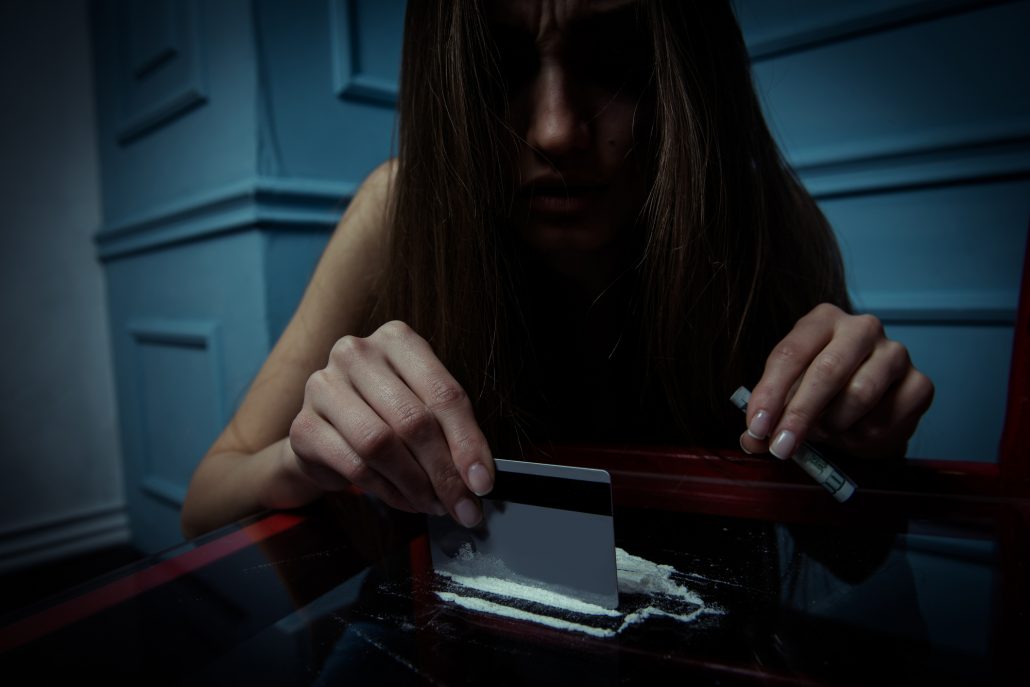
Cocaine is a strong stimulant categorized as a Schedule II controlled substance, commonly abused as a recreational drug. While this infamous substance has been illegal for recreational use for decades, it hasn’t lost too much of its popularity on the illicit market. But do people really know how dangerous this drug is?
Cocaine not only harms the individual physically, but also harms their psychological and neurological health. Not to mention their personal and professional lives. So what are the side effects of cocaine?
What are the Side Effects of Cocaine: Short Term
This stimulant creates an intense but short-lived feeling of euphoria that is often immediately followed by some uncomfortable side-effects. This is typically why people who use the drug experience such intense cravings for more. Ultimately, there is an assortment of short term side effects of cocaine, including:
- Loss of appetite
- Increased heart rate
- Increased blood pressure
- High body temperature
- Contracted blood vessels
- Increased rate of breathing
- Dilated pupils
- Disturbed sleep patterns
- Nausea
- Hyperstimulation
- Bizarre, erratic, sometimes violent behavior
- Hallucinations
- Hyperexcitability
- Irritability
- Intense euphoria
- Anxiety and paranoia
- Depression
- Intense drug craving
- Panic and psychosis
- Convulsions
- Seizures and sudden death
That last one is especially important because this is something most people fail to realize about cocaine. The reality is, no matter how much of the drug is used or how often, cocaine can cause a stroke, heart attack, seizure or respiratory failure resulting in death with even the first use of a seemingly insignificant amount.
What are the Side Effects of Cocaine: Long Term
Like any other substance put into the body over an extended period of time, a powerful drug like cocaine can cause long term side effects. Some of these long term side effects are directly correlated to the method of use such as:
- Sniffing cocaine can damage tissues in nose, causing the loss of the sense of smell, sniffling, nosebleeds and hoarseness
- Injecting cocaine can cause infectious diseases and abscesses, or allergic reactions and collapsed veins
- Smoking cocaine can cause respiratory failure
Other more general long term side effects of cocaine include:
- Permanent damage to blood vessels
- Malnutrition
- Weight loss
- Severe tooth decay
- Hallucinations
- Sexual problems
- Reproductive damage and infertility (for both men and women)
- Disorientation
- Apathy
- Exhaustion
- Irritability and mood disturbances
- Increased frequency of risky behavior
- Delirium or psychosis
- Severe depression
- Tolerance and addiction (even after just one use)
- Liver, kidney and lung damage
What are the Side Effects of Cocaine: Health Risks
Cocaine is extremely destructive to the body. Just a few examples of how the side effects of cocaine ravage the body include:
- Heart health
Cocaine can impact you heart health in a number of ways. The drug causes inflammation of the heart muscle, increases heart rate and increases blood pressure while constricting the arteries supplying blood to the heart. This can lead to heart attack, even in young people without heart disease.
Cocaine can also trigger a deadly abnormal heart rhythm called arrhythmia.
- Lungs
The most common way cocaine is used is through snorting because the method sends the drug quickest to the brain to be absorbed. But snorting cocaine can cause a variety of serious lung issues, like:
- Asthma
- Bronchitis
- Edema
- Hemorrhage
- Infection
Chronic cocaine users often have shortness of breath, coughing, wheezing, and chest pain.
- Brain
The side effects of cocaine on the brain can constrict blood vessels, resulting in strokes. Again, it can happen with even young people without other risk factors for strokes. Cocaine’s impact on the brain also causes seizures and can lead to bizarre or violent behavior. Chronic users can even experience bleeding inside the brain and swelling of the walls of the cerebral blood vessels.
Some studies have indicated that cocaine use also harms the gray and white matter in the brain, impairing cognitive functioning.
- Lungs and respiratory system
Snorting cocaine damages the nose and sinuses. Regular use can cause nasal perforation. Gastrointestinal tract. Cocaine constricts blood vessels supplying the gut. The resulting oxygen starvation can cause ulcers, or even perforation of the stomach or intestines.
- Kidneys
Long term use of cocaine can cause sudden, overwhelming kidney failure through a process called rhabdomyolysis. Cocaine is also nephrotoxic, meaning users will do damage to the kidneys simply by introducing the substance into the body. In people with high blood pressure, regular cocaine use can accelerate the long-term kidney damage caused by high blood pressure.
The metabolite of cocaine called Cocaethylene also damages kidneys.
What are the Side Effects of Cocaine: Withdrawal Symptoms
Common withdrawal symptoms may include:
- Agitation and restless behavior
- Depression
- Anxiety
- Chills
- Tremors
- Nerve pain
- Muscle aches
- Intense cravings
- Fatigue
- Generalized discomfort or uneasiness
- Increased appetite
- Vivid and unpleasant dreams
- Slowing of activity
All of the side effects of cocaine indicate that a safe medical detox supported by experienced professionals in the field of addiction treatment can be a pivotal turning point. While detoxing off of any drug can be a frightening concept for those who do not know what to expect, it often means the difference between a life worth living and suffering from a fatal illness.
Addressing the withdrawal symptoms and side effects of cocaine addiction is an important piece of getting better and getting your life back. All you have to do is take the first step. If you or someone you love is struggling, please call toll-free now.
CALL NOW 1-888-922-5398
by Sher Delva | Jul 18, 2017 | Addiction, Addiction Stigma, Addiction Treatment, Drug Abuse, Mental Health, Stigma, Therapy, Uncategorized

(This content is being used for illustrative purposes only; any person depicted in the content is a model)
A new Oregon bill is headed straight to the governor’s desk.
If passed, the bill would reclassify certain illicit drugs from a felony to a misdemeanor. The goal is to reduce the state’s prison population.The bill would also increase access to treatment for those without prior felonies or convictions for drug possessions, the Washington Post reports.
The bill would reduce penalties for possession of heroin, cocaine, meth and other illicit substances. The bill was already approved by the state legislature and now awaits the signature of the governor.
“We are trying to move policy towards treatment rather than prison beds,” said state Senator Jackie Winters, co-chair of the Public Safety Committee. “We can’t continue on the path of building more prisons when often the underlying root cause of the crime is substance use.”
Also included in the bill is a new initiative that will track the effects of law enforcement policies and procedures by collecting data on the demographic of Oregonians stopped by police. This initiative aims to identify any potential racist practices and address the disproportionate number of black Oregonians behind bars.
According to a 2016 report, by the Sentencing Project, blacks make up less than 2% of the state’s population; yet represent more than 9% of the state prison population as of 2014. Furthermore, the report found that the incarceration rates for black individuals are 5.6 times that of whites.
“Too often, individuals with addiction issues find their way to the doorstep of the criminal justice system when they are arrested for possession of a controlled substance,” says Kevin Campbell, executive director of the Oregon Association Chiefs of Police. “Unfortunately, felony convictions in these cases also include unintended and collateral consequences including barriers to housing and employment and a disparate impact on minority communities.”
Still, some lawmakers are wary of the bill and disagree with its “soft on crime” approach. State Senator Betsy Johnson, a Democrat who voted against the bill, said the shift toward decriminalization promotes a “hug-a-thug policy.”
The bill is headed towards the desk of Governor Kate Brown who will ultimately have the final say. In the past, Governor Brown has expressed support for the bill.
“While we still have much work ahead, HB 2355 represents an important step towards creating a more equitable justice system to better serve all Oregonians,” said Brown. “Addressing disparities that too often fall along racial and socioeconomic lines should not be political issues.”
While states like Oregon are attempting to address these disparities, on the federal level, things are headed in a different direction. Recently, Attorney General Jeff Sessions attended a D.A.R.E. training conference in Texas. While at the conference, Jeff Sessions praised the D.A.R.E. program of the 80s and 90s and hinted at bringing back that initiative today.
D.A.R.E is famously known as the “Just Say No” anti-drug initiative led by Nancy Reagan that took over school campuses in the 80s and 90s. The problem with the campaign is that there were never any proven results stating the program was effective in lowering drug use.
According to the U.S. Bureau of Justice Assistance:
“To date, there have been more than 30 evaluations of the program that have documented the negligible long-term impacts on teen drug use.”
Although the program has undergone some changes, the effectiveness of the initiative remains uncertain. Overall, it is interesting the different strategies certain parts of the country are taking in regards to addressing addiction. While some are focused on decriminalization, other areas have a tougher approach.
What are your thoughts on these new policies? Getting help can save a life, and treatment can offer a far better future than prison. If you or someone you love is struggling, please call toll-free now.
CALL NOW 1-888-922-5398
by Justin Mckibben | Jul 17, 2017 | Drug Policy, Family, Stigma, Teen Drug Abuse

Talking politics has always been a bit of a point of contention. It isn’t considered polite dinner conversation, and these days the political arena seems more polarized than ever with opposing opinions. However, many advocates on both sides of the isle agree that addressing the issue of drug abuse and addiction in America is a very important topic today. With so many differences of opinion regarding strategy it should be more important than ever to pay attention to the statistics. We must learn from our mistakes. So the fact that the U.S. Attorney General Jeff Sessions still supports the War on Drugs is a little disheartening. Now, Sessions is sticking to his idea of keeping it old school by endorsing the D.A.R.E. program.
The only problem is the D.A.R.E. program doesn’t have the successful record he seems to think it does.
Jeff Sessions Speaks at D.A.R.E. Conference
Tuesday, July 11 Attorney General Jeff Sessions attended a D.A.R.E. training conference in Texas. While at the conference Sessions gave a speech in which he praised the D.A.R.E. program’s work in the ’80s and ’90s, saying D.A.R.E. is:
“The best remembered anti-drug program today.”
“In recent years, people have not paid much attention to that message, but they are ready to hear it again.”
While D.A.R.E. may be the most ‘remembered’ anti-drug program, being practiced all over the country with one of the most recognizable names next to ‘Just Say No’, the real eye-brow raiser was when Jeff Sessions stated:
“We know it worked before and we can make it work again.”
However, the majority of the data suggests that D.A.R.E. didn’t really ‘work’ as well as Sessions thinks. Some would go as far as to say it didn’t really work at all, despite what Jeff Sessions claimed to know.
D.A.R.E. Downfall
The D.A.R.E. program was created in 1983 in Los Angeles. In the years following the implication of the program, states and school districts made a great deal of investments into the program. Yet over time studies began showing that all this effort may have done more harm than good, much like the War on Drugs. According to the U.S. Bureau of Justice Assistance:
“To date, there have been more than 30 evaluations of the program that have documented the negligible long-term impacts on teen drug use.”
The agency also states that one intensive six year study even found that the program increased drug use among suburban teenagers, albeit a small amount.
According to a 1994 federal study, if students grew up and learned the dangers of drugs had been exaggerated or misinformed, they would distrust the lessons. Some insist this led to high rates of experimenting with drugs. Ironically enough, when D.A.R.E. was at its peak of activity in across the nation, between 1995 and 1996, teen drug rates were actually at their highest.
In fact, the American Psychological Association conducted a study including one thousand D.A.R.E. graduates over a ten-year period. After the decade, the study found no measurable effects were noted. The researchers compared levels of drug use, including:
- Alcohol
- Cigarettes
- Marijuana and other illegal drugs
The data was collected before and after the D.A.R.E. program. Students were in sixth grade for the first period of the study, and were surveyed again when they were 20 years old. Although there were some measured effects shortly after the program on the attitudes of the students towards drug use, these effects did not appear to last.
D.A.R.E. to Do it Different
In defense of the D.A.R.E. program, the methods have changed since back in 2012 after the overwhelming empirical data influenced multiple levels of government to pull funding for the program. But it seems Jeff Sessions might want to push government funding back into the archaic attitudes that got the program nowhere.
Back in the ’80s and ’90s the program primarily involved police officers going to schools to educate kids about the dangers of gang violence and drug use. But many call the old techniques more ‘fear-mongering’ or ‘scare tactics’ than actual education. The majority of data shows these methods don’t seem to have the impact people thought they would.
Most drug policy experts believe that the attempts made to frighten kids away from drugs more often backfired. Even DARE’s own front-runners have acknowledged the program’s failures after years of denying the evidence.
The new strategy the D.A.R.E. program uses it evidence-based instead of fear-based. This reinvention includes the “Keepin It Real Program” that focuses on better decision making for kids. We should celebrate that D.A.R.E. is doing things a little different.
But the issue is most people are taking with these statements is that it appears Attorney General Jeff Sessions seems to think the old way was better. This jives pretty well with his ‘tough on crime’ agenda that aims to pursue harsher punishments, push for mandatory minimum sentencing and echoes negative stigma against people who use drugs. If Jeff Sessions makes a shift to supporting the new and improved D.A.R.E. then we can all breathe a little easier, but right now it isn’t looking that way.
Most people who are familiar with the War on Drugs, D.A.R.E. programs and other early attempts at addressing substance abuse in America will know that it definitely hasn’t been an easy road. We should focus on what we have learned about making treatment options more effective and showing more compassion for helping people suffering instead of punishing them. Getting help can save a life, and treatment can offer a far better future than prison. If you or someone you love is struggling, please call toll-free now.
CALL NOW 1-888-922-5398
by Justin Mckibben | Jul 14, 2017 | Addiction, Alcoholism, Celebrity, Charles Dickens, Ernest Hemingway, Jackson Pollock, Jean-Michel Basquiat, Mental Health, Philip K. Dick, Vincent van Gogh

It is news to no one that connections are often made between many of the most famously creative figures in history and drug or alcohol abuse. Creative types have a reputation for being complex and conflicted individuals, and those characteristics also tend to be associated with alcohol and drug abuse. Not to say that creative types must be alcoholics or addicts, but to at least acknowledge how many addicts or alcoholics are incredibly talented people who still find ways of self-expression even through their struggles.
While we hear so many stories of modern celebrities who have either overcome their battles with substance use, or lost their lives to drugs and alcohol, some of the most influential artists in history also faced down similar issues. Whether it is music, art or literature, some of the most amazing works of cultural depth and significance came from people in the grips of addiction or alcoholism.
Here we take a look at 6 famous artists with addictions throughout history. NOTE: Not all the artists are of the visual variety.
-
Charles Dickens
Charles Dickens is probably most well-known for his part in changing the world of storytelling with the famous holiday fiction “A Christmas Carol” and the epic “A Tale of Two Cities”.
What is probably not nearly as well-know was the fact that Charles Dickens was also an opium user. After each day of writing it is said Dickens would settle down to smoke poppy latex from a hookah. He eventually died at the age of 58 from a stroke on June 9, 1870, which many have partially attributed to his opium use.
-
Jackson Pollock
The idea of Jackson Pollock having a little chaos in his life is probably not that strange to anyone who has seen his paintings. Pollock is revered for his messy “drip painting” technique, with the canvas of his work often splattered and streaked with a frenzy of color. In the 1940s Pollock gained instant fame. So when looking into the chaos of his life as an alcoholic, it is easy to see the metaphor.
Pollock’s alcoholism is said to have been exacerbated by the pressure of his success, and in 1956 he died in a drunk-driving accident that also killed one of his passengers.
-
Ernest Hemingway
Ernest Hemingway is probably one of the most notorious alcoholic artists in literature. As a Nobel Prize winner in 1954, Hemingway has been described as a “economical and understated” voice of that “changed the nature of American writing”; one of the greatest writers of the early to mid-twentieth century. He authored such historical works as:
- “A Farewell to Arms” (1929)
- “For Whom the Bell Tolls” (1940)
- “The Old Man and the Sea” (1852)
However, he is also well known for the intimate relationship he had with alcohol. In one tragic peek into how Hemingway reached to the bottle to cope with the world is a quote stating:
“Modern life, too, is often a mechanical oppression and liquor is the only mechanical relief.”
It is believed that his heavy drinking intensified a medical condition, which led to mental confusion and depression. Hemingway eventually took his life in 1961.
-
Philip K. Dick
You may have heard of the cult classic science fiction film Blade Runner, and if so you should get to know the source material, “Do Androids Dream of Electric Sheep?”
This deeply philosophical novel was written by American author Philip K. Dick. Other well-known sci-fi films were also inspired by his work, including:
- Total Recall
- Minority Report
This writer commonly utilized his art as a window into struggles with mental health or substance abuse. In fact, the author wrote dozens of novels about his own experiences of paranoia, schizophrenia, and drug abuse. He was known for taking drugs, particularly amphetamines. Eventually Philip K. Dick suffered a stroke at the age of 53, which cost him his life. Some have attributed this tragedy to the devastating impact of drugs on his body.
-
Jean-Michel Basquiat
Jean-Michel Basquiat is a famous street artist from Brooklyn who went from homeless and unemployed to selling paintings for 5 figures in just 2 years. Suddenly a single work of art by Basquiat was imposing a price-tage of $50,000. This was a height completely unheard of for any artist.
Needless to say, the sudden surge of fame was a shock to the young man’s system. Especially considering he was a self-admitted heroin addict. At one point the young man claimed he was using up to 100 bags of heroin a day.
Tragically, this astonishingly successful artist was found dead in his East Village apartment from a heroin overdose in 1988.
Basquiat was only 27 years old.
-
Vincent van Gogh
This may be the most ‘house-hold name’ on this list; Vincent van Gogh. Just the mention of his names stirs the feeling of fine art, while his impressionist style was a bold and dramatic footing from which the concept of modern art flourished.
In what can be seen as brilliant and breathtaking, his landscapes and soft self-portraits may not seem like the yearnings of a tortured soul. Staring into his most pivotal pieces, such as the instantly recognizable “The Starry Night” one may see bright optimism in the swirling clouds or burning stars. However, Van Gogh grappled with a deep depression and enervating alcoholism.
Van Gogh spoke of his drinking at one point stating alcohol had, “undoubtedly been one of the great causes of my madness.” His drinking grew worse as he indulged deeply in absinthe, and at the young age of 37 years old, Vincent van Gogh took his own life.
Whether you would say an artist is more likely to be an addict or alcoholic is debatable. However, even in the grips of a disease that diminishes the mind, body and spirit there have been those who have used their art to reach out and express their hopes, or their fears in a way that touches so many others. But some of the most talents and inspiring people have been taken from us far too soon by their addictions. If you or someone you love is struggling, please call toll-free now.
CALL NOW 1-888-922-5398


