by Justin Mckibben | Jul 11, 2017 | Drug Abuse, Opana, Opioids, Prescription Drugs
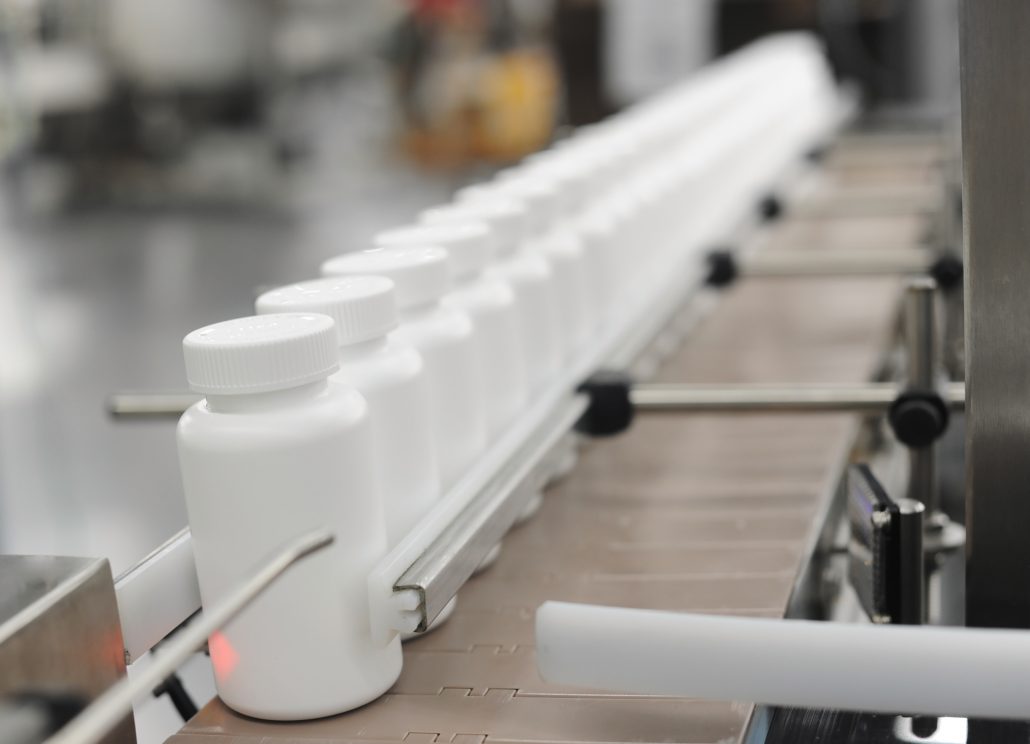
Oxymorphone is a powerful semi-synthetic opioid analgesic developed in Germany back in 1914. Since the painkiller’s introduction into the medical world it has gone by many brand names, such as:
-
Numorphan (suppository and injectable solution)
-
Opana ER (extended-release tablet)
-
Opana IR (immediate-release tablet)
-
O-Morphon in Bangladesh by Ziska pharmaceutical ltd
In the midst of the opioid epidemic in America many pharmaceutical drugs are now under close scrutiny for their addictive potential. Now, a public announcement has come to light explaining that in June of 2017, the U.S. Food and Drug Administration asked the manufacturer of Opana ER, a Oxymorphone medication, to remove the product from the market.
What is Opana?
Opana or Oxymorphone is meant for use as:
- Moderate to severe pain relief
- Preoperative medication to alleviate apprehension
- Medication to maintain anaesthesia
- As a obstetric analgesic
Oxymorphone extended-release tablets are designated for managing chronic pain. These tablets are also only for people already on a regular schedule of strong opioids for an extended time.
Oxymorphone immediate-release tablets are recommended for breakthrough pain for people on the extended-release version.
Endo International PLC is the Big Pharma empire based in Dublin, Ireland that manufactures Opana.
- 2006- Opana approved for use in the United States
- 2012- Endo changed the drug’s formulation to try to make it harder to abuse. The FDA approved sales of the new version, however the FDA prohibited Endo International from marketing Opana as abuse deterrent.
- 2013- the Centers for Disease Control and Prevention (CDC) reported an illness associated with intravenous abuse of oral Opana ER in Tennessee.
- 2015- Reports in Austin, Indiana indicated an outbreak of HIV was caused by recreational injection of Opana
Endo primarily makes generic medicines, as well as a number of brand-name specialty drugs. Endo reported that Opana ER last year posted net sales of $159 million.
Opana ER Abuse
The FDA has taken a revolutionary stance after deciding that the risks greatly outweighed the benefits of Opana use.
In a statement on Thursday Endo International PLC said it will voluntarily stop selling the pills. However, the drug-maker does not necessarily agree with the conclusion made by the FDA, adding in their statement that the extended-release opioid is safe and effective when used as intended, and that Endo still believes Opana ER’s benefits outweigh its risks.
And yet, FDA advisers are firm after reviewing the safety of Opana ER and voting 18-8 against keeping it on the market.
The agency said it had perceived a “significant shift” from individuals abusing the drug recreationally by crushing and snorting the pill to injecting it instead. Besides the stories in Indiana and Tennessee, Opana was also called out for contributing to the rising rates of drug overdose and overdose deaths.
According to the FDA there were no generic versions of the reformulated Opana ER on the market, as of June. However, there are two generics of earlier versions of Opana on sale, called Oxymorphone.
The Big News For Big Pharma
The big news here is that this is the first time the U.S. Food and Drug Administration has actively taken steps to remove a currently marketed opioid pain medication from sale due to the drugs abuse and the related public health consequences!
Some see this as a major move in the fight toward overcoming the opioid addiction problem gripping the nation.
Thus, Endo International PLC has committed to working with the FDA to try to minimize disruption for patients relying on the drug for pain relief. Of course those prescribed to the drug for medical reasons will also need to be provided with alternative treatments.
But the FDA isn’t done yet. The U.S. Food and Drug Administration claims that its agencies will be reviewing other opioid painkillers and could take further action to regulate or even eliminate dangerous opioid medications like Opana ER.
Taking steps to reduce the impact of this epidemic is a step in the right direction. Big Pharma might be in for a bit of a shakedown from the FDA as they attempt to reduce the amount of dependence on opioids. If you or someone you love is struggling, please call toll-free now.
CALL NOW 1-888-922-5398
by Sher Delva | Jul 11, 2017 | Addiction, Addiction Stigma, Addiction Treatment, Mental Health, Withdrawal

Just over five years ago, Ralph Bailey was in his home about to attempt suicide. His addiction had spiraled out of control, and he did not believe he could ever live a day without drugs and alcohol. Then, in a moment Bailey describes as a“divine intervention,” his sister happened to come by the house and stopped him.
The next day, Bailey checked into Palm Partners Treatment Center, a Palm Healthcare facility. Now five years sober, Bailey is a valued employee at Palm Partners and speaks regularly to clients about his journey overcoming his addiction.
Recently Bailey was a guest on The Real Deal On… with Dug McGuirk. Surrounded by lights and cameras, Bailey describes the feeling of sharing his story as a “full circle” moment. He remembers a time when the cameras were on him for an entirely different reason. He was under investigation.
“I remember back in 2010 when I caught a case, and the FBI came in with pictures and audio of me, and it looks just like this.” He says looking around the room. “Now, when I say full circle, it means I went from being prosecuted with these cameras and microphones to actually sharing my experience, strength and hope with these same microphones and cameras.”
Reflecting Back on his “Death Date”
When Bailey first walked into Palm Partners on May 12, 2012, he was broken. In fact, Bailey says the most important day of his sobriety is not the day he entered treatment, but the day he attempted suicide. He refers to this day as his “death date.”
“I was broken to the point where my sobriety date is May 12, 2012, but I always tell my story with my death date which is May 11, 2012. What I mean by that is May 11 is the day I decided to commit suicide,” he says.
At this point, Bailey had struggled with addiction most of his life. He did not believe he could live without drugs and alcohol, but he did not want to continue living like he was. Therefore, suicide seemed like the only way out.
“I didn’t like where I was, and I didn’t want to go back to where I’ve been, and I was too scared to move forward because I could never picture living life without drugs and alcohol, so my plan was to end it all.”
In a moment that Bailey describes as a “divine intervention,” his sister happened to stop by the house and prevent the whole thing from happening.
“For me, it was totally divine intervention because I was successful at everything and it just so happens that for my suicide attempt, I got stopped. My sister came over to my house and stopped the whole thing. That’s when I broke down and told her I needed help.”
To his surprise, his sister told him the entire family knew about his addiction. Up until that point, he thought his addiction had been a secret for the past 20 years.
“She gave me the biggest hug and said ‘This is what the family’s been waiting to hear. You wasn’t fooling nobody,’ And the whole time, I’m thinking I had everybody fooled [and] nobody knew I was getting high.”
Learning to Cope Without Drugs
From an early age, Bailey struggled with abusing drugs and alcohol. He started around eighth grade and said he could not remember a time he did not use drugs and alcohol before his sobriety date.
“I can’t picture a time when I didn’t live without either one, and that’s what got me here.”
Still, like many, Bailey did attempt to get sober on his own.
“I did what everybody tries to do which is the detox on the couch.” He laughs.
Like most who attempt this method, he was unsuccessful. He did not know how to cope with the emotional and physical withdrawals of not using.
“It worked out good for a couple hours until boredom came in, until I didn’t know what else to do besides use drugs and alcohol, so I had nothing to fill the void when I tried to stop and that’s kinda related to my attempted suicide because I didn’t know what to do so that’s when I finally said enough is enough”
Bailey credits the staff, especially the therapists at Palm Partners for helping him learn how to fill the void.
“They’re the ones that made me realize I had more than just a drug and alcohol problem. I had anger issues. I had family issues.”
Bailey entered treatment in his 40s, a later stage of life compared to many in treatment, but he did not let the age of those around him affect his recovery process. Instead, Bailey says he wanted to make up for all the time he had wasted.
“I’ve wasted so much time in my life,” he says. “At that point, I didn’t care if I was getting clean with 18-year-olds, 20-year-olds; my main concern was the end result. As long as that was the same, it was all I cared about, but the main thing: I was tired. I had enough”
Starting Over On a Clean Slate
Furthermore, Bailey says he went to treatment as a “blank sheet of paper” and allowed the therapists and staff to provide him “new blocks to build on.”
“I took everything I knew and threw it out and started over,” he says.
The therapists at Palm Partners gave him the toolbox he needed and allowed him to realize he had the tools all along.
“That’s why I always say be honest with your therapists while you’re here because they can’t help you if you don’t tell them what’s wrong.”
At treatment, Bailey learned valuable lessons like how to deal with life when it does not go the way you want:
“Incidences like not getting your phone or incidences where you want to do something and you can’t should be a tool as ‘Alright, well how am I going to cope with wanting something that everybody has and I can’t have mine?’ That’s the same [lesson] that helps me stay clean. ”
Bailey says the times he could not access his phone taught him patience and helped him realize ineffective character defects addicts struggle with.
“Addicts, first we are manipulative, and then when manipulation doesn’t work, we’re crybabies,” he affirms. “We throw temper tantrums when we don’t get what we want, but we can’t do that in the real world.”
Navigating Grief: Learning to Change Your State:
One of the most powerful lessons Bailey shared in the interview was how he dealt with the death of his brother. After hearing his brother had passed away, he did what most would not think to do at that moment: jumping jacks.
“I had to do something to change my state,” he explains.
In that moment of despair, Bailey remembered something he learned from clinical director Dr. Beley about the way the addict’s mind works.
“Your brain automatically wants to take care of you. It doesn’t want you to feel any pain, but you have a five-second window to make a decision before you go back to what’s comfortable,” he says.
Bailey remembered the way the brain operates in regards to pain. He knew if he did not change his state immediately, his mind would retreat to what was most comfortable.
“If I didn’t start doing jumping jacks right away, my brain would automatically click to get high because that’s how I cope with things so, in order to stop that, I started doing jumping jacks and was able to change my state and then actually think and dissect everything that’s going on. Then start with a clear head and then move forward.”
“It is so huge to be able to change your state. You have to,” he says.
—
Ralph Bailey went from a hopeless drug addict to an inspiration of strength to those struggling in recovery. Throughout the interview, Ralph Bailey further elaborates on the importance of having a higher power, going to meetings and giving back. He talks about positive affirmations and further defines how to overcome negative situations through changing your state. We highly suggest you listen to the full interview for more on his journey.
“I never realized I was in a cocoon. I flourished, I came out of it, and it’s like wow, “he concludes.
If you are currently struggling in recovery, just remember that it is never too late to seek help. Even if you believe otherwise, recovery is possible. You do not have to live every day wondering where your next high will come from. Instead, you can regain control of your life like Ralph Bailey did. We want to help you. If you or someone you love is struggling, please call toll-free now.
CALL NOW 1-888-922-5398
by staff | Jul 7, 2017 | Addiction, Addiction Stigma, Addiction Treatment, Detox, Family, Inpatient Treatment, Outpatient Treatment, Parenting

Every member of the Palm Healthcare Family, from the administrators behind the scenes to those on the front lines along with a dedicated clinical team, are committed to helping support and educate anyone looking for help when struggling with a substance use disorder. Given the recent issues facing the nation, including the addiction crisis and the concern for ensuring safe and effective treatment, our clinical staff has chosen to speak to everyone out there looking for answers in their own words, hoping to shine new light on some difficult conversations.
To learn more about how to handle the difficult emotions and situations parents and family members face with an addicted loved one, download our FREE e-book
“What is the Difference Between Helping and Hurting”
DOWNLOAD FREE E-BOOK
Here we have some crucial information from Janice Hemmer, Tischler LCSW, ACSW, CAC who is the Senior Program Director of Palm Healthcare, with 21 years experience in the field of addiction.
Don’t be afraid to ask for help
Nearly every day, you can find an article in the media or online that discusses the addiction epidemic facing the United States and the state of drug and alcohol treatment today. Stories of patients being taken advantage of by unseemly “Sober Homes” and news reports of overdoses are rampant. To some degree, it is a good thing that the media is shining a light on this insidious problem. After all, people who only want to make a quick buck by manipulating those in dire need of help are out there in force. We do need to make sure that the issue is addressed and we should never stop trying to force these criminals out of the system. However, are media outlets and sensationalism scaring people away from the professional and reputable treatment programs that produce real long lasting results?
It is vital to remember that addiction is a neuro-biological disease. Addicts need professional medical intervention and psychotherapy to address the true causes of their addiction. It is incumbent upon the professionals in the treatment community, and the media, to educate and inform people about how to properly vet a treatment facility or program. To that end, the remainder of this article will focus on what patients and their families need to know to get their addicted loved one into an effective treatment program.
Here are some important questions you should ask about any treatment program, along with the answers you should be looking for.
Level of Credibility
-
What credentials does the program have?
Your state requires that addiction treatment programs be licensed, it is important to check with the state about the current validation of any license. Additionally, organizations such as “The Joint Commission” and “Commission on Accreditation of Rehabilitation Facilities” or CARF ongoingly audit treatment programs to ensure that they are meeting the highest possible standards.
-
Content of programming: What theoretical models of treatment do they follow?
There are a variety of treatment modalities available to behavioral health professionals. These can include Cognitive Behavioral Therapy, Trauma Therapy, Treatment of Co-Occurring Disorders, Life Skills and many others. A reputable program will design a treatment regimen that is suited to your specific issues.
Level of Transparency
-
Pre-Screening
Does the intake coordinator inform you of any tests or procedures that you must submit to before or during the admission process (Blood tests, urinalysis etc.)? Do they ask questions about your medical history? Do they discuss all possible costs that you may incur while in the program and how that will be handled?
-
Family Involvement
Does the facility offer a family program that encourages family members to become involved with your treatment and invested in a positive outcome? Do they educate the family about the goals of treatment and involve them in the discharge planning procedures? Good programs know that the cooperation of family members is a big factor in sustaining recovery. Oftentimes, families need to understand the clients level of functioning and how to avoid behaviors that might inadvertently interfere with the recovery process.
-
Does the program allow you to tour the facility?
You should be able to see the environment that your loved one will be living in during treatment. Do they discuss their rules and day to day expectations?
Don’t throw the baby out with the bathwater. While it is important to be vigilant in your search for a reputable program and to educate yourself as much as possible about addictive behaviors, don’t let the stories about scammers scare you or your loved one away from treatment. There will always be those who try to take advantage of people. Just remember that a big part of treatment is learning how to identify and avoid people who exhibit those behaviors. Due diligence goes a long way towards securing treatment for yourself or for those you love. It is well worth the effort.
Janice Hemmer- Tischler LCSW, ACSW, CAC
For more information on how to find a safe, ethical and effective addiction treatment program make sure to explore more of our Palm Healthcare Company website. If you or someone you love is struggling, please call toll-free now. We want to help.
CALL NOW 1-888-922-5398
by Justin Mckibben | Jul 5, 2017 | Addiction, Addiction Stigma, Family, Parenting, Teen Drug Abuse
I’ve decided to touch on something that means more to me than there are words to describe it.
That is, my mom.
To me, the word mom is synonymous with every great quality I’ve ever known or could hope to have. My mother is fiercely loyal, devoted and courageous. She is also the most compassionate, considerate and loving person I know. She sacrificed all to give me a chance at having a full and amazing life, and she continues to do so. My mother gives her life to nurturing the ones she loves spiritually, mentoring me emotionally, and ensuring that I know, even when I did not believe in myself, that someone does.
Recently I was faced with a conversation about mothers and I was suddenly startled at a realization; in my addiction I put my mother through so much more than I ever gave credit, and she was still my hero. There is something to be said about the way a mom will care acutely and unconditionally, and my mom is a champion of the heart. I think it gives me even more reason to talk about this.
Sharing the Burden
Of course a mother is intrinsically protective. The lioness guards her cubs with ferocity; passionately committed to safeguarding her child. Of course we all become handfuls sooner rather than later, but thankfully mom is always there, trying to keep us alive and in check. My mom poured her heart into trying to teach me to be a man of integrity. So naturally, when I fell, her heart sank with me.
I will never forget having to tell my mom I was going back to drug rehab for the second time in a year. It was not the first time we had cried together, but it was different. The pain and fear in her face, the look of resignation and acceptance. That was all hard enough, but her words made it so much harder. She said:
“What didn’t I do right? Why have I failed my only son?”
She wasn’t asking me, she was praying out loud. It broke me. Even now, almost 4 years sober, reading those words makes my chest heavy. Those words really emphasize the idea that many parents of addicts will try and take responsibility for their children’s addictions.
Many parents have a habit of trying to carry the weight of their children’s burdens for them. They see their kids as reflections of themselves and their own actions. Just as they delight in the child’s every success, not matter how trivial it may seem, they also embrace the pain of their child’s mistakes. Thus, they frequently try to shoulder some of the accountability. They ask things like,
What if I had showed them more affection?
Was I too affectionate?
What if I was too tough?
Was I not tough enough?
How could I have done better?
When a child gets in trouble, or even sometimes when they become very sick, some parents want to assume responsibility for it all. They take on guilt and blame that doesn’t necessarily belong to them. I was both sick and in a world of trouble and my mom didn’t want me to do it alone.
My mom always believed in sharing the burden with anything I struggled through. She was trying to take as much of it as she could because she could see how hopeless I really was. My mom did not yell at me or ridicule me; she just wanted to protect me… even from myself. After years of hiding the truth and taking advantage of the kindness of her and my family, she never stopped trying to keep me safe.
Placing the Blame
Some might say (and I’m sure a few of my aunts and uncles do) that my mother would defend me to a fault. At first she wanted to believe it was the people I hung out with and the things they convinced me to do. Then, her focus turned on her. I could read it on her face; running through the last 24 years trying to figure out what had gone wrong and how she could have stopped it… asking herself if she might still be able to say something that fixed it.
Sure, there is some rationale to the concept that childhood trauma and emotional baggage can contribute to stress and depression, which can help inspire or influence substance abuse. But these factors are not guarantees or requirements. Neither are they the whole picture.
To put it simply… blaming a parent for a child’s addiction is like blaming a stop sign for speeding ticket.
In co-dependent relationships parents and children tend to get so used to sharing the burden that the blame naturally comes with it. Part of being a parent of someone recovering from addiction means you will eventually need to become comfortable with setting boundaries. For the co-dependent parent/child this can be an incredibly difficult thing to do, but in the long run it can alleviate unjustified guilt.
We would like to offer you the FREE GIFT of a checklist to help decipher if you are helping or hurting a loved one who is struggling with addiction.
Click for FREE GIFT
And as much as my mom wanted to protect me, love me and save me… it wasn’t her responsibility to fix me either.
Never Your Fault
This is important for ALL parents who end up in this position to understand- your child’s addiction is NEVER your fault.
People do not become addicts because their home life was tough. We don’t become addicts because we think we are unappreciated, unloved or just misunderstood. There is a lot more to how people become addicted than their relationships with their parents, and it’s not just the drugs. Addiction is not something we decide to have; it is something that happens with the right combination of genetics, environment and repeated behaviors.
A parent may provide their child with the greatest of all privileges, opportunities and support, but that doesn’t guarantee they won’t become addicted to substances. Kids can also grow up in a broken home with addicted parents and never use drugs in their lives. You could teach your kids very empowering and stable values, but it doesn’t mean that they have a 0% chance of ever trying something that might change them.
The science of addiction credits a genetic predisposition that combines with a specific environment and a specific set of behaviors. It is a perfect storm that is unpredictable in many ways, because the specific ingredients of the addiction formula are exclusively unique to each individual. It isn’t anyone’s fault, and it definitely isn’t a parents.
Dear Mom
To my mom…
Your love is the thing that kept me alive long enough to get here, so you should never question whether or not it was good enough. The problem wasn’t where I grew up, or the friends I had, and it definitely wasn’t how you raised me.
I was looking for a piece of myself I hadn’t had time to grow into. It was the piece I didn’t know how to look for in a healthy way, but you could not show me because no one can teach us but ourselves. Maybe the experience of looking itself is actually how we find it. Drugs and alcohol were a distraction from not having the answer to a much deeper question.
Mom, every loving and kind part of me came from you. You are one of the most powerful and influential women in my life. Still, the truth is my addiction was never up to you. I don’t say this to undermine your impact as a mother; it is to remind you that we are individuals, and that you have always done the best you could through every adversity. One day I pray I can be half the parent you are. I love you, and I only know what love truly means because of you.
To all mothers of addicts…
You are some of the most courageous and powerful women on the planet. It comes with the territory of bringing life into the world I guess. I can’t tell you how many other momma’s boys and mini-moms I’ve met in the recovery community. Even if your child is still struggling, always remember your strength and compassion. Always remember it is not your fault. You are amazing, and we are better because of you. Don’t give up.
Having a family member who has suffered can be harder on you than you know. Too many people don’t know how to get the help they need for their loved ones, and too many of our loved ones suffer for too long because they are afraid of the affects that the ones they care about most will face. If you or someone you love is struggling, please call toll-free now.
CALL NOW 1-888-922-5398
by Sher Delva | Jul 5, 2017 | Addiction
Benzos are so overused that they top all prescriptions in psychiatric medicine and are among the most prescribed medication of any type in the United States. Nearly 50 million benzos prescriptions are written every year.
Prescriptions for benzos have skyrocketed over the past two decades. Between 1996 and 2013, the number of prescriptions for benzodiazepines more than tripled and fatal overdoses more than quadrupled.
What’s the Big Deal?
Benzos are known for helping with anxiety disorders and insomnia, so what’s the big deal if they are heavily prescribed?
Well, there are a couple of reasons why this is a major problem.
First, there is evidence indicating these drugs do not work well over the long-term. Studies reveal that long-term use of benzos can increase anxiety symptoms. Furthermore, it is possible to treat anxiety and sleep disorders without medication, or at least with other medications besides benzos.
The second problem is the addiction and dependence risk. People who receive high doses of benzos can become physically dependent fairly quickly. Without medical supervision, the withdrawals from benzos are severe, ranging from intensified anxiety to high blood pressure, seizures, and convulsions.
The longer someone uses benzos, the greater the likelihood of addiction. People who misuse benzos tend to take higher-than-prescribed doses or mix the pills with alcohol or other drugs. Benzos are often chewed or crushed which interferes with the timed-release formula and speeds up the effects. This way of using benzos is extremely dangerous.
A Deadly Combination?
The true dangers of benzos really amplify when they are taken with other substances like opioids and alcohol. The risk of combining benzos and opioids is well-known, yet many doctors prescribe benzos and opioids together to patients.
From 2001 to 2013, benzos and opioid prescriptions increased by 80%, according to an analysis by researchers at the Stanford University School of Medicine. It is not considered safe to use both together yet this is fairly standard practice.
Opioids vs. Benzos?
Highlighting the dangers of benzos is not intended to diminish the significant dangers of prescription painkillers. Make no mistake, we are in the midst of an opioid epidemic, and opioid addiction has become a national crisis. However, in 30 percent of opioid-related deaths, a combination of benzos and opioids caused the overdose. That’s why it is so important to talk about benzos when we are discussing the opioid epidemic.
Why is this combination so deadly?
Opioids and benzos both slow down the body systems, particularly the respiratory and cardiovascular systems. Therefore, it is not difficult to understand why this combination is so risky. You are essentially combining two substances that slow down the functioning of your body. If you add a cocktail on top of that, it only compounds the problem. In worse case scenarios, this combination of substances causes breathing to stop.
In addition, alcoholics regularly abuse the benzo alprazolam, known by its brand name Xanax. Alcohol is a depressant so combining alcohol with the sedative effects of benzos increases the likelihood of overdose and respiratory failure.
Should Doctors Take the Blame?
The use of benzos often begins in the form of a prescription. Dual prescriptions of benzos and opioids are far from uncommon. Doctors are more likely to prescribe to patients who complain of pain, anxiety, and insomnia during a limited 15-minute consultation time.
In this rushed state, a physician may desire to help a patient but not have the time to explore the underlying causes. Therefore, medication becomes the easiest treatment. It unclear whether doctors are adequately warning their patients of the potential dangers of combining these drugs to help prevent addiction. As for now, it is difficult to place the blame on one person or thing, but one thing is for certain: people need to know the risks.
—
Overall, more and more people are struggling with addiction, and overdose death numbers have reached epidemic levels. If you are currently struggling with addiction, please do not wait. Recovery is possible. Call toll-free today.
CALL NOW 1-888-922-5398
by Sher Delva | Jun 28, 2017 | Addiction, Addiction Stigma, Addiction Treatment, Drug Abuse, Mental Health, Prescription Drugs, Stigma, Therapy, Uncategorized

One Ohio City is fed up with dealing with drug addicts who overdose over and over again.
Their solution? Simple: Three strikes and you’re out.
But is this really the right way to go about this?
Recently, Dan Picard, a councilman from Middletown, Ohio proposed a new strategy to handle the influx of overdose calls in his city. He claims the city had spent $100,000 on the lifesaving drug. His solution is to limit the number of times an addict can be revived with Narcan.
“It’s not a proposal to solve the drug problem,” Picard said this week. “My proposal is in regard to the financial survivability of our city. If we’re spending $2 million this year and $4 million next year and $6 million after that, we’re in trouble. We’re going to have to start laying off. We’re going to have to raise taxes.”
While it may seem extreme, Picard believes something must be done to reduce the hundreds of thousands of dollars spent administering the overdose antidote Naloxone.
According to the National Institute of Health, Naloxone, also known by the brand name Narcan, is a “medication designed to rapidly reverse opioid overdose.”
How the Proposed Plan Works
The plan proposed states that anyone who overdoses twice must complete community service equivalent to the cost of administering the Narcan. If the person has been provided Narcan two overdoses before and has not completed the required community service requirement, dispatchers will not send help their way.
“If the dispatcher determines that the person whose overdosed is somebody’s that’s been part of this program for two previous overdoses and has not completed community service and has not cooperated in the program, then we wouldn’t dispatch,” Picard explains.
Middletown has seen a significant spike in overdoses. Just last year alone, there were 532 overdoses reported. It may sound extreme, but Picard insists the city cannot afford to continue responding to overdoses at the same rate.
“We’ve got to do what we’ve got to do to maintain our financial security, and this is just costing us too much money,” he told NBC affiliate WLWT.
This city of Middletown, Ohio spent three times as much on Narcan this year as they did all of 2016. The numbers in 2017 already surpass that of the previous year at 577 overdoses so far.
Numbers Soar Throughout Ohio
All across Ohio, communities like Cleveland, Elyria, Parma, Chardon, and others have seen people need Narcan again and again after overdosing on opioids.
As of right now, the fire department is required by law to provide Narcan in response to an overdose. The legal department is reviewing this plan proposed by Picard. In the meantime, the fire department is applying for grants and donation to increase funds for Narcan.
Sal Valdez, the Clinical Coordinator for American Medical Response in Rochester, stated to a local news station, that he responds to at least four drug overdoses every day and about 80 every month. Each time, paramedics administer Narcan, they could need multiple doses. He also notices overdoses occurring in similar areas to repeat offenders.
“Sometimes we do know these patients by name,” Valdez said. “In my experience, we do see the same patients over and over again, and we respond to the same locations.”
Way Too Extreme?
One study estimates the cost of the prescription drug opioid epidemic costs American society $78.5 billion. Regardless, many find this proposed strategy way too extreme. This could mean the difference between life and death for some, preventing them the opportunity to recover.
Daniel Raymond, the deputy director of the Harm Reduction Coalition, told the Washington Post, that he’s “disappointed” by Picard’s plan of action. He noted that the proposal was an insult to families of loved ones struggling with addiction.
“Ohio is an epicenter of the heroin epidemic … and you can empathize with the frustration, but not with this type of solution,” Raymond told The Post.
What are your thoughts on this plan? Personally, it feels like this proposal only further stigmatizes the perception of addiction. Would we treat any other illness in this manner?
We believe recovery is a better option. Addiction should receive treatment just like any disease. Please seek help if you are struggling with substance abuse. Please call toll-free today to speak to an addiction specialist. We want to help.
CALL NOW 1-888-922-5398
by Justin Mckibben | Jun 28, 2017 | Addiction Treatment, Alcohol Addiction, Inpatient Treatment, Internet, Social Media, Stigma
When news travels at the speed of social media there isn’t much of a waiting period for responses to issues that strike a nerve with people. As we were writing and publishing our first response to the story aired by the NBC News Investigation host Megyn Kelly, along with other media outlets such as The New York Times, a fire was catching that lit the internet up.
While we already wrote a response to the Megyn Kelly piece, we wanted to also highlight the amazing response from the recovery community!
The Megyn Kelly story was focused on exposing the fraud and corruption that has infiltrated the addiction treatment industry in South Florida, utilizing interviews with local law enforcement, first responders, politicians and victims of patient brokering and illegitimate sober homes. While it may have been an eye-opener to some in other states, this wasn’t news to the population of South Florida. These tragedies and indiscretions have been talked about for years now. The topic is still causing contention and debate within the community.
However, when the piece aired just this past weekend, many of South Florida’s recovery community set aside much of the debate to answer what was being said.
South Florida Recovery on Social Media
Facebook turned into a major platform yesterday as new hashtags went viral, including:
- #Igotcleaninsouthflorida
- #tellthewholestory
- #southfloridarecovery
- #wedorecover
A huge number of these posts were attached to personal stories of suffering, recovery and astounding accomplishments. Others were attached to photos. Many posts demanding that the media acknowledge the voice of the actual people in the South Florida recovery community. Most of the posts included people sharing their sobriety dates (meaning the day they finally stop drinking or using drugs).
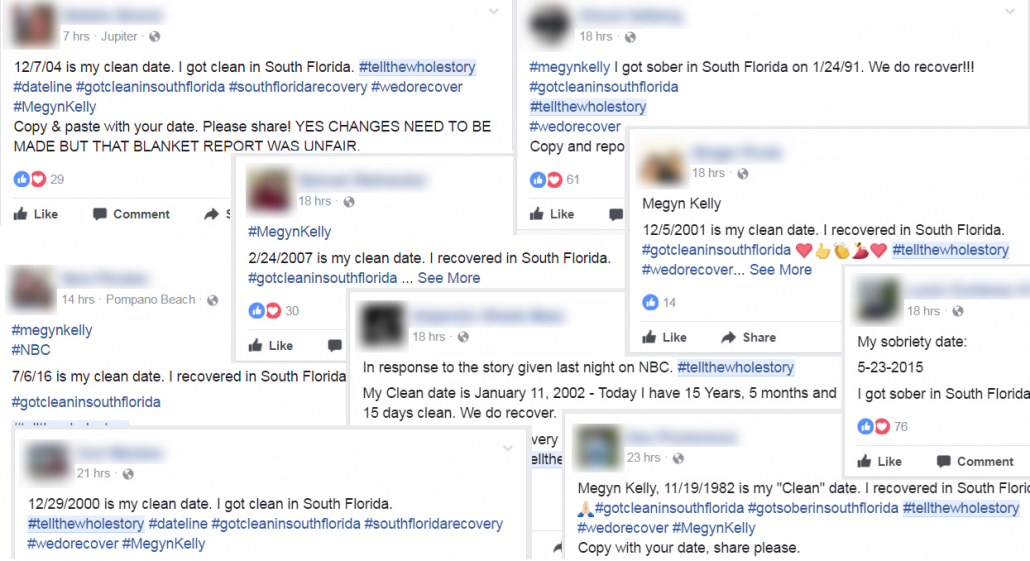
Photo: Facebook posts responding to Megyn Kelly
There is a clear message here- the South Florida recovery community is strong and willing to take a stand.
This profound and inspiring response has been completely organic. One after another people from many areas, especially Delray Beach, started sharing their experience with treatment and recovery in South Florida. Megyn Kelly was tagged in these posts, so surely her social media team got pretty busy sifting through all those notifications.
Some were from people with several months clean and sober, other posts were people with a couple decades of recovery time. There were those who came to Megyn Kelly’s defense, while others took the whole thing as an opportunity to attack her… or the people responding to the story. Still, the presence of South Florida’s own population of people overcoming addiction was making a lot of waves.
The Megyn Kelly Conversation
One thing we should acknowledge about the piece on Megyn Kelly’s show… is it worked.
Granted the camera and narration do not paint the most flattering picture, but it revitalizes an important conversation- safeguarding the addiction treatment industry in South Florida. It worked because we can at least take something from it; the South Florida treatment industry needs to work together with community leaders, officials and people in recovery in the area to help make things better.
However, people in the recovery community did take offense to statements made by people during interviews that implied people were not coming to South Florida and getting better. It might not feel fair to a lot of people who thrive in South Florida’s recovery community that they felt marginalized or misrepresented. Some of the comments suggest that people sent to Florida are more likely to end up dead than they are to end up better, but there seems to be a lot of people with something to say about that.
After hearing the Megyn Kelly story the recovery community in South Florida chose to take the opportunity to stand up for one another. Overnight there was an up-welling of support for those who have come to South Florida, made a life for themselves after treatment and become active members of the community.
It’s About the People
More importantly, this is all about the people who have recovered and the people who are most desperate for it. We want people to know that there are unethical and illicit businesses in every state that exploit this same system, but there are world-class addiction treatment programs in South Florida that take great pride in being part of the solution, not the problem.
This is about the people who have changed their lives, acknowledging their strength, hope and adversities. It is about the people who want to believe that there is a safe place with people who care about improving themselves and each other. We have to let people know what to look for, how to ask the right questions and how to make educated decisions on how to best treat them or their loved ones.
For a more detailed look into the difference between addiction treatment programs and sober living facilities, download our FREE e-book:
5 Critical Mistakes When Picking a Treatment Center and How to Avoid Them
DOWNLOAD FREE E-BOOK
We are proud of how the recovery community of South Florida has responded to the Megyn Kelly story. Part of fixing the issues facing people with addiction is to strip away the stigma of substance use disorder, and a keystone to fixing the stigma is education and awareness. South Florida stood up and told the world #wedorecover because they know if we #tellthewholestory then the entire nation may see that addiction treatment is about healing and helping people together.
South Florida recovery set social media on fire a few nights ago… because South Florida recovery is full of absolutely amazing people too! Imagine if we did that all the time! Imagine if we took it upon ourselves to make this happen every chance we got! Who might get the help they need because of what we share?
My name is Justin Mckibben
My sobriety date is November 28th, 2013
#igotsoberinsouthflorida
Every recovery community has its faults, but the recovery community of South Florida is an amazing place to start your journey to change that could save your life. If you or someone you love is struggling, please call toll-free now.
CALL NOW 1-888-922-5398
by Sher Delva | Jun 27, 2017 | Addiction, Addiction Stigma, Addiction Treatment, Drug Abuse, Mental Health, Stigma
When it comes to addiction treatment, there’s much that is misunderstood. South Florida is receiving more negative press than ever before in regards to the drug addiction industry
In case you missed it, journalist Megyn Kelly covered issues plaguing the South Florida recovery community in an NBC News Investigation piece. While the piece did an excellent job exposing the bad apples of the addiction industry, it left out important pieces of the puzzle.
To begin, addiction treatment and sober homes are not the same. The piece mentions sober homes and recovery centers interchangeably. This can lead to some confusion as there are differences between the two.
Toward the beginning of the piece, Kelly describes Palm Beach County as the “recovery capital of America” and notes that “some 400 addiction treatment centers are luring thousands of young people.” Soon after, the piece cuts to an overdose occurring in a sober home. This insinuates that sober homes and residential treatment are the same, or connected to one another. In this article, we will specify some of the differences between a sober home and addiction treatment.
What is Addiction Treatment?
There are many well-regarded addiction treatment facilities that have operated for decades in South Florida. When a client first comes to Florida for treatment, typically they go to residential treatment.
Addiction treatment facilities are more regulated than sober homes. Addiction treatment facilities provide around the clock treatment for clients seeking help. Detox is the first level of care for a drug or alcohol treatment program. In this stage, the client is monitored and guided through a safe medical detox.Once medically detoxed, the client enters the residential treatment program. During this stage, the client receives a custom treatment program which includes a combination of therapy, group classes and more.
In addiction treatment, there are licensed mental health professionals and physicians involved in helping clients get sober. There are different levels of care at treatment centers, including detox, residential, day/night treatment (sometimes referred to as partial hospitalization), intensive outpatient, and outpatient treatment.
Residential addiction treatment can last anywhere from 30 to 90 days and in rarer cases longer. Outpatient programs are different from sober homes in that they provide the varying levels of therapeutic care, but the client does not stay overnight.
What are sober homes?
On the other hand, sober homes are essentially homes where groups of people in recovery live together. Sober living units are privately owned and are free of a lot of the regulations needed to open a residential treatment facility.
Fewer restrictions mean people with bad intentions can open a sober home to cash in on the opioid epidemic occurring throughout the nation. Almost anyone can open a sober home, although regulations are being implemented to change this.
While some sober homes are stricter and have tough guidelines such as regular drug screenings, and mandatory meetings, others are not. Some sober homes are simply that: sober homes. These houses are bought and marketed for those who leave addiction treatment and they are not always created by people with the best intentions.
So why do people go to sober homes?
Instead of returning home, many clients will go to sober homes for guidance in maintaining their sobriety. Sober homes give clients a taste of what it will be like to maintain their sobriety on their own. They typically are not the first stop on the road to recovery. Sober homes provide a smoother transition into the real world.
While some sober homes are operated by the same people who run treatment centers, others are not. A sober home typically has a house manager who helps oversee all residents. Living in the sober home helps a person in recovery take charge of their life by learning to pay rent, buy their food, and abide by rules sober. Due to a variety of factors, more people are not going to addiction treatment as their first stop. Some are going to detox and then immediately to a sober home. This creates challenges as sober homes lack the structure and guidelines of an addiction treatment center.
To learn more about the difference between these two, subscribe to our blog and check out our FREE e-book:
5 Critical Mistakes To Avoid When Picking A Sober Home
DOWNLOAD FREE E-BOOK
Truth about Sober Homes vs. Addiction Treatment
South Florida offers vast amounts of recovery options, and with that comes those who take advantage of a booming industry.
Unethical practices happen in illegitimate sober homes and corrupt treatment centers. However, legitimate and accredited treatment centers are out there that do support recovery. Not all addiction facilities in South Florida participate in these illegal practices. Furthermore, the media suggests that Florida has the worse overdose rates of anywhere else, and this is not correct. Areas like Ohio, West Virginia, and others are much higher.
It is important to understand the difference between a sober home and residential treatment. A person in a sober home is living more independently than someone in treatment. The original purpose of a sober home is to be a smoother transition in the recovery process.
Overall, addiction treatment is the first step in treating addiction, not sober homes. There is a difference between the two and it is important that people know the difference. Please make informed decisions when choosing a treatment center for you or a loved one. We can help you in this process. Do not wait. Call now.
CALL NOW 1-888-922-5398
by Justin Mckibben | Jun 26, 2017 | Addiction, Addiction Stigma, Addiction Treatment, Drug Abuse, Inpatient Treatment, Opioids, Stigma

In the past few weeks, there has been an influx of negative coverage from some very prominent voices in media, including the New York Times and most recently Megyn Kelly in an NBC News Investigation piece, about the issues that have been plaguing the South Florida recovery community. Bad news travels fast, and these days every bit of it goes viral. There is a lot to say about the topic. A lot has already been said, but this conversation means something very significant to a lot of people.
This is nothing new; stories from various sources have been published over the last few years. From local news outlets like the Sun Sentinel or Palm Beach Post, to more nationally (or internationally) known outlets like BuzzFeed, cautionary tales have been reaching out to warn people about the dangers of illegitimate and unregulated drug treatment and sober homes.
Reports have highlighted the devastation of the opioid overdose crisis, and rightfully so.
They have exposed some of the most apprehensible and illicit activities of patient brokers and fraudulent facilities.
The media has engaged in a full-on assault against the corruption and criminality of the South Florida drug treatment industry, and we have a few words for them…
THANK YOU… FINALLY!
With Gratitude
With great gratitude, we thank the media for all the coverage of everything wrong with the treatment industry, because it is about time we all addressed these problems.
Finally, we have more people paying attention to the serious and life-threatening faults of shady and illegitimate drug rehab and sober home companies. Any number of the recent reports will show that for years unscrupulous con-artists have profited millions of dollars off of the suffering of some of the most vulnerable people in the country, under the pretense of providing some semblance of health care and therapeutic value.
For too long there have been grossly unethical practices involved in those abusing the treatment industry. Human trafficking in the form of patient brokering and providing drugs to relapsed addicts in order to defraud insurers are only part of this complex issue.
Thankfully, there are finally more proactive steps being taken to prevent these issues from continuing or escalating to even more extremes. The state attorney, along with the efforts of law enforcement and task forces, are taking more action against those who exploit the system. As far as the limits and loop holes, new legislation is being advanced. Arrests and raids are putting an end to many of these illegal enterprises.
“But there is hope”, as Cynthia McFadden on the NBC news video put it. As per the interview on Megyn Kelly’s program, Palm Beach County State Attorney Dave Aronberg states that they have made 29 arrests in Palm Beach County since last July, being patient brokers, treatment center owners, and corrupt doctors and with many more to come.
Thank you… but we need more action!
With Humility
Respectfully, and with humility, we think we would all fare better without making statements that paint the entire treatment industry and the recovery community with a broad stroke of prejudice. Especially when it comes to distinguishing addiction treatment facilities from sober living facilities, because they are not the same thing. A lot of stories forget to mention that the issues with sober living may often have nothing to do with the treatment industry, and that almost no one ever send their loved ones to South Florida for sober living homes.To learn more about the difference between these two, subscribe to our blog and check out our FREE e-book:
5 Critical Mistakes To Avoid When Picking A Sober Home
DOWNLOAD FREE E-BOOK
Still, we should lay out all the facts.
Some reports will claim Florida has the worst overdose death rates in the nation. The only problem… it’s not even close to true.
For example: Florida actually had less overdose deaths per 100,000 people than 23 other states! These numbers include the top 5:
- West Virginia- 41.5 per 100,000 people
- New Hampshire- 34.3 per 100,000 people
- Kentucky- 29.9 per 100,000 people
- Ohio- 29.9 per 100,000 people
- Rhode Island- 28.2 per 100,000 people
Meanwhile, Florida is 24th on that list. Florida has experienced increasing rates of drug overdoses over the last few years, although still not in the top 3 states as of the most recent figures. Yet, people forget to note that overdose rates don’t necessarily mean overdose deaths. The distinction may seem small, but ask any addict and they will tell you there is a big difference.
Of course we should not ignore the bad, and we all know the opioid epidemic is bad and Florida has suffered greatly. But it is an equal injustice to ignore the facts plaguing the rest of the country. It is also unjust to condemn the treatment providers who still believe in doing the right thing. It is true that there are more unethical and illegal facilities than previous years. But to assume every facility qualifies for this kind of categorization is unfair, to say the least.
Let us not forget, South Florida is home to some of the best high-quality holistic drug and alcohol treatment in the country. There are numerous addiction treatment providers who have been serving South Florida and the recovery community for decades; helping countless people in pain while making consistent contributions to the sustained improvement of their clients and their communities.
But again, we thank those who are out there challenging the current system and demanding better care. This call to action means those of us willing to suit up and show up have all the more reason to keep doing what we believe in. It means anyone looking for treatment will know what to look for and what questions they need to ask, because this is vital to keeping their loved ones safe. Asking the right questions can lead you to the right kind of help.
All this means the South Florida treatment providers who are committed to helping people will step up and show that what we do makes a difference.
For a more detailed look into the difference between addiction treatment programs and sober living facilities, download our FREE e-book:
5 Critical Mistakes When Picking a Treatment Center and How to Avoid Them
DOWNLOAD FREE E-BOOK
With Hope
The impacts of the indecent and deceitful practices that have touched the treatment industry are heartbreaking. We all see the dire tragedy of it, including those of us in the treatment industry who still believe in helping people who suffer.
Accredited and legitimate treatment providers are also impacted by these problems. Patient brokers will sometimes infiltrate high quality and honest facilities disguised as patients themselves in order to recruit patients to other illegally operated facilities. Brokers sell their victims false hope, with promises like:
- Material gifts
- Cash payments
- Free rent
Brokers can end up pulling patients out of treatment, against medical advice, in order to exploit their insurance benefits without equipping the individual with any level of care or even basic security. This terrible strategy is one of the obstacles that authentic treatment providers must frequently try to overcome; the outside influence of people trying to take advantage of the entire industry.
So again, THANK YOU. The more light we shine on the shady parts of what has happened, the more people will see where the greater danger exists. Addiction treatment in South Florida is NOT the problem; people who exploit addicts fighting a life and death battle and call it treatment… THAT is the problem. Not to mention the environment in the nation that is breeding this opioid crisis in the first place.
Our hope is, as we strive with all we can to improve how we care for and address substance use disorder and its related issues, that we can inspire others to see that real recovery is possible. We hope our dedication to creating lasting change in the lives of all the people who come to us for help will prove that people can recover, and that treatment does work.
With Compassion
Perhaps most importantly, we thank the media for raising awareness and igniting a conversation. Since the first few reports started to gain popularity, more people are talking about it. The momentum has created a greater platform, and we need to make it count. More people are connecting to the discussion, which means there is more hope than ever of finding a solution.
I will say what I said in an article last week, in case anyone missed it… we are in this together.
This unites all of us in a common objective- to end the extortion of the men and women, sons and daughters, fathers and mothers who need our compassion, now more than ever. With compassion, we can meet in the middle and have a real conversation. It means dropping the stigma of substance use disorder and having an open dialog about how we can all help each other make this country, not just South Florida but all of America, a better place for the addict who still needs help.
We still believe in the value of quality care. We still believe in the recovery community of South Florida, and because of it we are grateful that something is being done. While we still think there is plenty more to do, we are hopeful. If no one talks about it, no one will be willing to help fix it. Hopefully we will be able to move this conversation toward how we can best take care of each other, especially those who have already lost so much. Our mission is to take this topic from what is wrong with those who hurt people and turn it to what is right and what has been accomplished for the people who needed it most.
It is time we really work together to make a difference. Politicians, law enforcement, health care advocates, trustworthy and accredited treatment providers and members of the recovery community have to pull together and speak out about this if we ever want it to get better.
While some people may disagree with this piece and the delivery, the media has at least accomplished something- they have reminded us of an important part of the conversation. Surely, South Florida has an amazing recovery community, but if we pretend it is perfect it will never get better. Awareness might help us change everyone’s perspective.
So to the New York Times, Megyn Kelly, NBC News and all other news outlets, with gratitude and humility, hope and compassion… we thank you.
P.S. For more on this subject, like us on Facebook or subscribe to our blog. We look forward to keeping up the conversation.
For more information on how to find a safe, ethical and effective addiction treatment program make sure to explore more of our Palm Healthcare Company website. If you or someone you love is struggling, please call toll-free now. We want to help.
CALL NOW 1-888-922-5398
by Justin Mckibben | Jun 23, 2017 | Alcohol, Alcohol Addiction, Alcoholism, Binge Drinking, Detox, Fitness, Sports
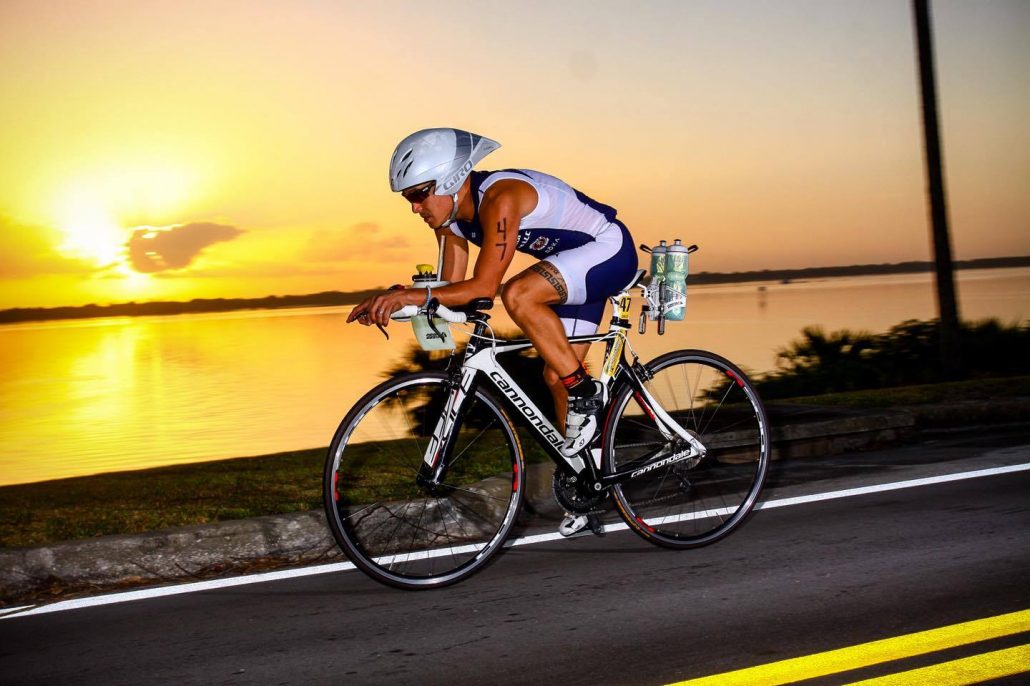
Recently Jeff Salinas, an Alumni from our Palm Partners facility contacted our Alumni department with some exciting news; on the road to recovery he hit the ground running, and soon will be competing in a triathlon, but it isn’t his first since he took off from the starting line he got while in treatment. Jeff shared with us an article written about his awesome new ambition on Florida Today, in which he was quoted saying
“Triathlon saved my life,”
Coming up Sunday, July 25th is the fifth annual Indialantic Boardwalk Triathlon. This is Jeff’s next giant leap on the road of transformation and recovery. The report shares that Jeff has become a regular to the local triathlons, as much as possible, while also competing in local foot races. According to Jeff, all this athletic action is more than just a sport; it has made a lasting imprint on his life, especially in recovery from alcoholism.
At 43 years old, this powerful example of passionate self-improvement has always been an athlete, even before turning his life around. However, when he spoke with journalists about his new competitive edge, he shared how the decision to clean up his act gave him a breathtaking second wind.
“In 2013, 2014 and 2015, I struggled really badly with alcoholism,”
“I finally battled those demons in 2015 … And then I trained for an Ironman triathlon. I made some life-changing moves, and to maintain them, I committed myself to the Ironman Florida Triathlon in Panama City.”
Jeff has been running a long time. Before, you may have said he was running from something. Today, however, it looks more like he’s running toward a better, brighter future.
Functioning Athlete/Alcoholic
Jeff has finished 7 marathons, and in 2013 he decided to try on a triathlon. Of course by his timeline, he was still actively drinking. Apparently he was able to put off drinking during triathlons and compete well enough.
It would appear that looking at the face value, one might categorize Jeff as a “functioning alcoholic”. He was working after moving with the company from San Diego. Jeff was providing for his wife Alpha and daughter Athena, not to mention caring for four dogs and staying active. Yet despite all the running, his drinking was catching up to him and gaining fast. When the question came in regards to if his drinking impacted his family, Jeff states in the interview:
“Bigtime. They’re the ones who got me into recovery. The most important thing is that you have to want it. You don’t go to make someone happy or because it is a good idea … You’ve got to do it for yourself; you have to make those life-changing decisions yourself. I had to ask myself, ‘Am I an addict or an athlete?’ ”
Jeff was put on a new track, with a new gym and new trainers who were ready to run a different kind of race with him; a race toward transformation.
Holistic Healing
Jeff Salinas found his way to Palm Partners, a Palm Healthcare facility that specializes in the treatment of people struggling with substance use disorder and dual diagnosis. In treatment Jeff found himself among recovering individuals of every economic and social background. While in treatment at Palm Partners Jeff experienced some of the most effective and innovative holistic methods, including personal trainers, exercise, good nutrition and yoga classes. Palm Partners and all Palm Healthcare facilities are designed to address every element of physical, emotional and mental recovery to help create lasting change. When asking Jeff about his experience with Palm Partners, and he wrote:
I remember during one of the classes in Palm Partners, we were to think of some kind of short term goal to have us look forward to in order to maintain our sobriety post Palm Partners. I always did want to participate in an Ironman Race Triathlon, which is a 2.4 mile swim, 112 mile bike ride followed by a 26.2 mile run. I thought, I can do this..
While in Palm Partners, this seed was planted. After coming home and maintaining my sobriety , the “Pink Cloud” eventually wore off, and I was starting to get depressed again and lose my momentum in my drive of wanting to stay sober. Then I remembered about the Ironman that I always wanted to do. So I did what I could to sign up for that race which was a year prior to the event. And from there, what’s in the FL Today article did follow suit.
I honestly do value the teachings and classes in PP. And it’s all relative, it doesn’t have to be triathlon or running, but it’s that internal driving force we had since our youth of purity, but somewhere along the timeline of growing up we lost it through addiction. Palm Partners helped me rekindle that fire inside me that almost went out. And, I’m forever greatful…
Becoming an Ironman
After finding himself back in the present, Jeff said:
“In Delray, I took everything in and really determined that I wanted to change… And so I committed to triathlon.”
Jeff credits the structure and strict training the sport demands to much of his attraction to it. The training requires a great deal of focus and dedication to practicing the three specific forms, leaving not much energy for the thought of drinking. In his interview with Florida Today, Jeff states:
“I committed to a seven-month training plan for the Ironman and fitted it around work and my personal schedule,”
“I tried to do (recovery) meetings, but that wasn’t what I needed. Instead, I’d show up for training and then go home and feel spent. It has been showing up for training that has helped me change.”
Last November in Panama Beach Jeff reached a milestone in his journey to a more fulfilled life. Jeff went on to say,
“I knew my mission was over once I crossed that line, when the commentator announced, ‘Jeff Salinas, you are an Ironman!’ ”
Alpha and Athena supported Jeff through every step of this race; from the decision to enter treatment and then to crossing the Ironman finish line.
Staying on the Path
Jeff has run in:
- Pineapple Man Triathlon
- Boardwalk Triathlon
Jeff has also qualified for and finished the Florida Triathlon, and is a member of the Donner Wealth Management Triathlon Team.
So what is next for the Palm Partners Alumni?
According to the report his new goal to finish the big race this Sunday in an hour, 10 minutes (give or take) to break his own record. After that- qualify for the Boston Marathon which he would like to do in November’s Space Coast Marathon.
One thing Jeff says during the interview that speaks volumes to his commitment to change is when talking about the race after-parties. Most of the events have food after, and beer is a common addition. Apparently the race community has plenty of it to go around. But in Jeff’s words,
“Well good for them. But not for me. Not for me.”
Jeff Salinas will be putting his passion to the pavement at the Indialantic Boardwalk Triathlon this Sunday, June 25th at 7 AM. The event takes place in Nance Park, 100 Miramar Ave., Indialantic. The event is for the benefit of Candlelighters of Brevard in Indian Harbour Beach.
We are happy to cheer for our Palm Partners Alumni, especially when they are sharing how passion, dedication and transformation make such amazing things possible. Jeff Salinas is a moving example of how willingness and action can change your life. On the road to recovery, Jeff is truly a trailblazer. If you or someone you love is struggling with substance abuse or addiction, please call toll-free now.
CALL NOW 1-888-922-5398


