by staff | Aug 24, 2017 | Addiction Treatment, Depression, Detox, Dual Diagnosis, Mental Health, Mood Disorders, Outpatient Treatment
Holistic methods of drug and alcohol addiction treatment are so effective because they are designed to heal all the unique aspects of an individual’s life. This style of comprehensive care delivers empowering and personalized recovery strategies to help each person find their way to a lasting transformation. Holistic addiction treatment doesn’t just save a life; it helps people to discover a new quality of life in recovery.
Part of creating a customized plan of recovery means making a complete appraisal of the individual’s needs and how best to serve them in a healthy and productive environment. Part of the initial assessment includes what some refer to as the Addiction Severity Index (ASI).
Every program may not use the term Addiction Severity Index directly. However, an intake assessment is always a critical step toward a comprehensive treatment. So what is the ASI and why does it matter?
What is the Addiction Severity Index?
The ASI is a semi-structured interview with an individual seeking care for issues with substance abuse. The interview is designed to address seven potential problem areas relevant to substance use disorder in potential patients, including:
-
Medical status
-
Employment and support
-
Drug use
-
Alcohol use
-
Legal status
-
Family/social status
-
Psychiatric status
The input given by the individual is important because it helps providers determine the best way to engage in safe and effective treatment. All information gathered for the Addiction Severity Index is treated as confidential.
In each of the 7 areas, the individual will be asked to answer questions based on a 1-to-5 scale system. The individual will be asked how bothered they are by problems pertaining to each area. They will then be asked how important treatment is for them in those areas. The scale is:
1- Not at all
2- Slightly
3- Moderately
4- Considerably
5- Extremely
Of course each individual has the right to refuse to answer any question, especially if a topic is:
-
Considered too personal
-
Uncomfortable to the patient
-
Too painful/traumatic
If this is the case the individual should be instructed not to answer. While the individual should be made aware of the benefits of answering as many questions as they can in order to prepare a more comprehensive treatment plan, they should also be allowed to avoid unnecessary distress.
Ultimately, the Addiction Severity Index is typically used as a standard assessment tool for evaluating substance use disorder and determining treatment options. Having a higher score on the ASI can be an indication of a greater need for treatment in the listed areas.
ASI-Lite
According to the World Health Organization (WHO) the Addiction Severity Index, Lite version, also known as ASI-Lite, is a shortened version of the ASI. In other words:
- A typical ASI gauges problems within the previous 30 days and calculates a lifetime worth of information about problem behaviors.
- ASI-Lite contains 22 fewer questions than the ASI, and omits items relating to severity evaluations, and a family history grid.
The abridged version of the Addiction Severity Index is not an extremely uncommon method. It simply utilizes a portion of the data to outline treatment options.
Why Does it Matter?
While not everyone may be familiar with the term Addiction Severity Index, it is easy to guess as to why its important. When dealing with such a complex and intimate issue as substance use disorder the more information you have to build a foundation the better. This offers more potential to address every part of the problem. With a holistic addiction treatment program there is typically an intake process that helps clinicians and medical staff best understand the individual’s needs.
If the individual has struggled with legal, professional and/or financial issues, their recovery plan can be more focused toward how to overcome these adversities.
If they are dealing with a medical issue while trying to repair damage done to their personal and familial relationships they can build their plan around coping with these obstacles.
A complete picture like the Addiction Severity Index can be crucial when addressing dual diagnosis patients. In order to effectively address someone who may be struggling with a mental health disorder, such as clinical depression, while also dealing with addiction both co-occurring disorders must be simultaneously treated. If someone ignores one to focus on the other it frequently instigates a relapse of the untreated issue.
The point of evaluating the Addiction Severity Index and using holistic addiction treatment is to heal all parts of the person’s life; not just the addiction.
Palm Healthcare Company is proud to have some of the most trusted holistic drug and alcohol treatment programs in South Florida. Our innovative and personalized approach helps create lasting healing and comprehensive transformation. If you or someone you love is struggling with substance abuse or addiction, please call toll-free now. We want to help.
CALL NOW 1-888-922-5398
by Sher Delva | Aug 23, 2017 | Addiction, Addiction Stigma, Depression, Drug Abuse, Mental Health, Mood Disorders, Stigma, Therapy, Withdrawal
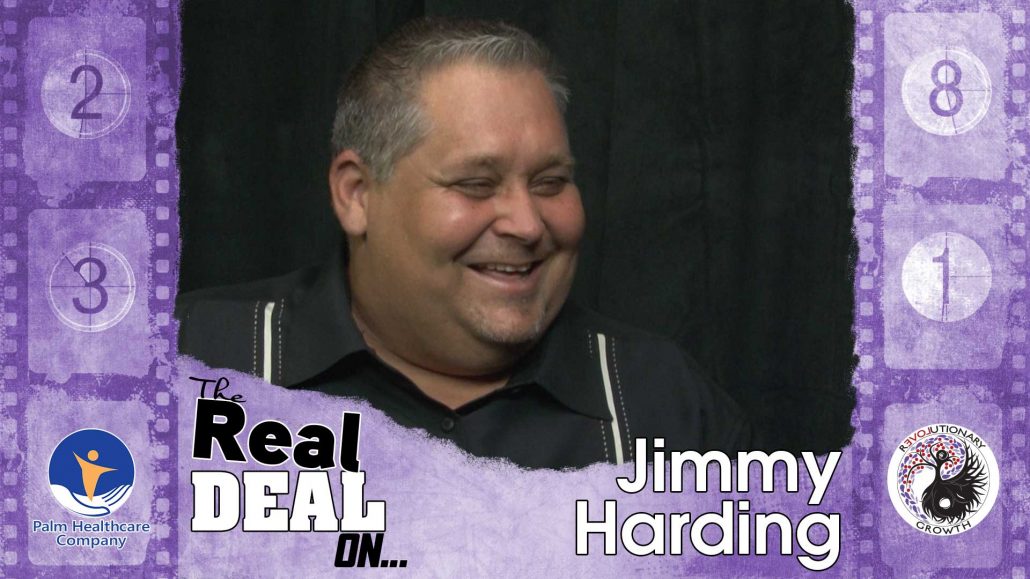
When Jimmy Harding was just ten years old, he started mowing lawns around his neighborhood for extra cash. During these early years, he acquired an entrepreneurial spirit that has carried with him ever since. Harding would spend the rest of his life developing his businesses and despite the ups and downs, achieve the personal freedom he always desired.
On an episode of The Real Deal On…, Harding sat down with Dug McGuirk for a conversation about reinvention. He discusses his business troubles and the pivotal moments that made reinvention possible in both his personal and professional life.
Harding started his career in construction, eventually becoming a construction mogul and dominating the industry. However, through a series of twists and turns, he fell into marketing. He is now a sought-after marketing guru who helps other businesses reach their full potential.
When it comes to reinvention, Harding has been through quite a few:
“I don’t believe there’s one reinvention per se. I think we go through a series of them,” he says.
Harding started his career in construction and grew his construction firm from the ground up.
“It started off as basically me and a helper and a pickup truck, and by the time that business got to its height, we were building like ten to twelve fast-food restaurants per year and then like a luxury home every single month on the residential side, so we really grew that thing up.”
During his time in construction, Harding learned valuable lessons.
Often, people place their failure on a lack of resources; however, Harding always knew the importance of being resourceful. Therefore, when he wanted to learn how to build a particular type of cabinet, instead of hiring someone to build it, Harding began working at a cabinet shop to find out how to build it himself.
“There was a particular type of cabinet that I didn’t know how to build and I went and got a job at a cabinet shop while I owned my own business just to learn how to build that so I can see the process, come back and use it in the project we were about to start,” he explains.
“There’s always a way. It’s just how do we figure it out. You can either pay someone to show you or you can pay someone to teach you to do it,” he continues.
Gaining Personal Freedom:
Ultimately, Harding’s goal was always to achieve personal freedom. Entrepreneurship was a vehicle to achieve that goal, he says. Over the years, he developed a passion for helping others achieve that freedom on their own. From the beginning, he always had a passion for helping others.
“I would go get my friends that would have you know $100,000 in debt from going to college, and they couldn’t even get a job. I’m like, ‘No, this is how you create your own economy,’ so I always would give people a hand up, people younger than me…,” he says
“That saying that it takes money to make money is B.S.,” he explains. “I’ve never had startup funding or whatever. Whatever I was going to do, I would go out and help other people, get paid for it, and use that [money] as the capital to start up my business.”
The Impact of Hurricane Katrina
Despite a struggling economy and weakening housing market, Harding’s construction firm continued to boom throughout the early 2000s. Then, Hurricane Katrina happened.
“All of a sudden, Hurricane Katrina comes along, and we’ve got 13 properties under construction, all in my name that I own,” he says. “We ended up having anywhere from like two to 13 feet of water in nine of the 13 properties, and it was pretty devastating. We had to recover from that and then there was a big need in the community.”
Despite the hurdles, Harding’s construction company thrived as they were able to help families rebuild their homes and contribute to the community in various ways.
“It was really a great time for us and contributing to the community, and we were rewarded handsomely for it because we helped like 87 people get back in their home,” he explains.
It was a hectic time. Families lived in FEMA trailers on the front lawn while their houses were being built, Harding says. The goal was to build these homes as soon as possible. Therefore, Harding’s company was able to grow and employ a lot of new people.
The business continued to boom for about 18 months; then suddenly things started to shift.
“It wasn’t that there was no need for any construction services but what happened is the stuff that we did or the stuff that we were capable of doing, was not available anymore,” he says.
Essentially, the only work left in New Orleans after 18 months was down to the most damaged stuff.
“If you were not a contractor that was set up to do 100 million dollar jobs like big infrastructure and improvement type of stuff, then it came down to very little left to be done,” he says.
Instead of changing his business model, Harding kept thinking things would get better. However, business started to dry up. He had to figure out what to do next. He remembered how heavily competing companies were advertising, so he decided to dive into marketing in an attempt to save his business.
This was the start of a costly journey to understand how marketing and advertising worked.
The last $100,000:
Harding’s quest to figure out why his business was declining led him into the marketing industry. He used the last $100,000 of his business finances to invest in advertising. He hired an advertising company to market his construction company to NFL games.
As a Saint Season holder, Harding thought the affluent market at these games would be a great place to gain new clients for his construction firm. He became the official construction sponsor for all the games. Unfortunately, the results were far from promising.
“The only phone call I got was someone else trying to sell me advertising,” he laughs.
“The first thing that I learned from that is that just because someone sells advertising doesn’t mean they know what they’re doing,” he says.
The experience taught Harding a lot about advertising. He realized the way he was marketing the wrong way.
“In advertising, you need two things: you have to be able to make an emotional connection, and it has to be intellectually interesting,” he explains.
Despite the lessons learned, his construction firm shut down.
“Eventually I ran out of money, and I had to shut it down and give the properties back and start struggling for survival,” he says. “It seemed like everything I touched just fell apart during that time, so that was a long struggle period like from 2008 until 2010.”
After his business went under, Harding decided to go on the road doing disaster cleanup. He had become an “expert on disaster cleanup,” and knew he had the tools to do the job. It seemed like the right direction to go.
“I said okay, I’m going to start going on the road and to these disasters and start doing our disaster cleanup and so I learned a lot of stuff at that time,” he says.
At first, Harding would knock on the doors of residents who had gone through a disaster and offer his services. He learned quickly that this was not the most efficient strategy. Soon, Harding began educating people on how to respond and react to disasters. He created educational brochures to hand out to people and acquired clients through becoming an expert in the field.
“When they would call me, I would go to their house, and I would expand on that education, and so really I was just consulting with them. I was helping them, and like people were literally just pulling out their checkbooks,” he says.
This was a pivotal point in Harding’s career as he learned the importance of educational marketing. To this day, Harding continues to give away tons of information and advice to help people in their own pursuits.
Harding’s disaster cleanup business started to flourish, and he eventually partnered with a friend in the oil industry. Together, they developed a company. During this time, he continued to learn more about marketing. Eventually, his efforts led him to the boardroom of a major oil company.
“That same marketing that was getting people to invite me into their home to educate them invited this big oil company to call us,” he says.
The BP Oil Spill Fiasco
The morning of the big meeting, Harding and his business partner were prepared to sign a seven-figure contract with the major oil company.
“All I had to do was go there, do my presentation, and basically sign contracts,” he says.
However, a major event got in the way: the BP oil spill.
“The morning that we show up in Houston, my partner and I walk into this big giant boardroom, and there’s a flat-screen TV on the wall, and there’s an oil rig on fire,” Harding remembers.
“That night, in the middle of the night before we got there, was the big BP oil spill of 2010,” he says.
“We get there, and all non-essential services are canceled indefinitely. Boom. So I’m going there to get money. We needed this money, and all of a sudden, boom and I was in shock,” he continues.
Despite his shock, Harding remembered something he learned from Tony Robin’s Date with Destiny seminar a few months earlier. During the seminar, he learned “state management,” and knew not to keep repeating the same victim story. Instead of dwelling on the failure and asking why; he asked himself how he could use the experience to help others. That was the moment he decided to open up his own marketing company.
“It was the catalyst to opening a marketing company, and like mastering marketing and changing and moving into the way that I coach and consult now. it was all based off of that thing,” he explains.
Advice to others in reinvention:
Harding went through various reinventions but ultimately learned to gain from his experience rather than create the same story in his head. His marketing company was a result of the ups and downs of his past businesses. Through his experience, he is now able to help others succeed.
“When something traumatic happens, you have to look at the good side, because you know there’s an opposite reaction to everything that happens,” he says.
Harding shares his advice for those wanting to pursue their goals:
“Figure out exactly what you want and then go after it. One of the big mistakes that I made along the way is I knew what I did not want, so I never got specific. I got specific on what I did not want and what I found out is that’s not good enough. […] Figure out what you want and focus on that. Don’t be scared to fail. It’s not a failure unless you quit,” he says.
—
We highly encourage you to listen to the entire interview to hear more exciting stories from Jimmy Harding. Harding has had every obstacle thrown at him over the course of his career, but despite all of it, he managed to turn it all around.
Reinvention is about going in a positive direction when obstacles are thrown at you. In recovery, reinvention is crucial. You need to stop telling yourself the same old stories of failure. Instead, focus on heading in a positive direction in your life. If you or someone you love is struggling, please call toll-free now.
CALL NOW 1-888-922-5398
by staff | Aug 22, 2017 | Addiction, Drug Abuse, Drug Policy, Law Enforcement, Stigma

In the wake of all the turmoil created by the white nationalist rallies in Charlottesville, Virginia this month the conversation on oppression, cultural tension and systematic racism has become unavoidable. With counter-protesters in large numbers present to oppose the white nationalist factions, violence eventually erupted. In the end there were 3 dead, at least 19 reportedly injured and a community in chaos.
From the moment the incident turned volatile everyone from every day citizens, to celebrities and activists, to democrats and republicans have spoken out about the atrocities of that day. Outrage and discourse has followed in every form, with some disgusted to see white supremacists chanting Nazi slogans walking with KKK members and heavily armed militia down a street in the heart of America.
While many voices with varying degrees of contempt have been heard, one Drug Policy Alliance director is using hers to make a connection between the ideology of white supremacy and the failed War on Drugs.
The Drug Policy Alliance
For some background on the Drug Policy Alliance, it is an organization committed to helping influence national drug policy reform. The DPA emphasizes the need to have drug policies on the use and regulation of drugs that are based on science, compassion, health and human rights.
According to the DPA, the drug war in America has produced ‘profoundly unequal outcomes across racial groups’. Much of this inequality is said to stem from the disproportionate and devastating impact of the War on Drugs in communities of color, fueled by racial discrimination by law enforcement.
Despite the fact that drug use and drug trafficking rates are comparable across all races, the DPA states that compared to white Americans in drug law violations, people of color are far more likely to be:
- Stopped
- Searched
- Arrested
- Prosecuted
- Convicted
- Incarcerated
Statistics on the DPA website state that African Americans:
- Only make up 14% of regular drug users
- Yet they make up 37% of those arrested for drug offenses
War on Drugs and Racism
By now the idea that the War on Drugs has had an unjust impact on minority communities is nothing new. Some may argue these points, but for many years researchers from all over the country have done the due diligence before deciding to speak out against the racial element to the failed War on Drugs.
It has been proven the majority of drug users in the United States are white, and yet African Americans are the largest group being targeted with arrests and charges of possession. This alone has been enough to convince many advocates that white supremacy, whether you want to argue intentional or subconscious, has played a part in the War on Drugs and how it has damaged the country. America’s drug war enforces some of the most controversial pieces of legislation and drug policy, including:
- Mandatory minimum penalties
- Stop-and-frisk searches
Both of these concepts have faced frequent opposition for effecting minorities disproportionately.
The War on Drugs doesn’t just damage individual lives. It harms African-American communities as a whole. Social scientists still assert that the War on Drugs could not be maintained without societal racism and the manipulation of racial stereotypes. Even a former aide to President Nixon, who began the War on Drugs in the 80s, has suggested that the War on Drugs was racially and politically motivated.
DPA VS Trump Administration
Megan Farrington, one of the directors of the Drug Policy Agency (DPA) has taken a firm stance on the subject following the President’s comments last Tuesday regarding the tragic events that sparked division and outrage over the past few weeks. In her comments Farrington calls out those responsible for shaping drug policy today, while condemning the archaic strategies that many say have helped bring the issue to where it is today.
President Donald Trump responded to the Charlottesville tragedy with comments insisting we should place blame on ‘both sides’ during a statement that has become widely criticized and caused a great deal of contention among politicians and everyday people alike. Those who are outraged at the President’s comments claim his statements seem to sound like the words of a ‘nazi/white nationalist apologist’, while others insist that because the counter-protestors fought back, they are to blame as well.
Following the President’s statement, DPA director Farrington tweeted:
“There is no ‘both sides’ to racial hatred, nothing ambiguous about white supremacy. We will continue to fight for justice and against hate.”
During her engagement in the debate, Farrington went a step further than refuting the President’s claims; she called out the entire system for a failed War on Drugs as part of the problem with racial oppression, stating:
“The drug war is a tool of racial oppression. When white supremacists chant Nazi slogans and our president defends them, we have to speak out. If we fight the racism inherent in the drug war but allow it to go unchecked elsewhere, our work may take down one tool only to see it replaced with another.”
It wasn’t just Karrington who went on the offensive after the Charlottesville incident or the president’s comments. The DPA’s senior director of national affairs, Bill Piper, also chimed in on the action, condemning not only the president’s statement, but also Jeff Sessions, the administration’s controversial attorney general. While the piece from Piper called out Trump and Bannon, the focal point of the fury was aimed at Sessions and his past controversy regarding race. Piper states:
“Sessions has a long record of hostility to justice and civil liberties… He was denied a federal judgeship in the 80s because the U.S. Senate Judiciary Committee found that he had a record of racist statements and actions. A black colleague testified at the time that Sessions referred to him as ‘boy.’ Sessions referred to the NAACP and other civil rights organizations as un-American groups that ‘forced civil rights down the throats of people.’ He even reportedly said he thought the KKK was ‘OK’ until he found out its members smoked pot.”
This isn’t the only reason people like Piper are upset about Sessions. Only six months into his position as US Attorney General, Sessions has already started back-tracking drug policy to recapture the drug war days. Attorney General Sessions has already urged law enforcement to pursue stricter sentences in drug cases and increased the use of civil asset forfeiture.
Race Should Not Matter in Recovery
While opinions still clash over the idea that race played a huge part in the implementation of the War on Drugs, and many will continue to insist that white supremacy has never influenced drug policy, others are not so sure. Piper adds in his statement:
“The role the drug war, and punitive criminal justice policies more generally, play in perpetuating white supremacy should be at the top of the list. At the very least, policymakers who ignore the issue should be seen as suspect. Racial justice requires massive criminal justice reform.”
Either way we look at it though, the War on Drugs has failed us for many reasons. It was far too expensive for the devastating results it has yielded. It reinforced stigma against drug use and those struggling with addiction. And most experts agree that it had a disproportionate impact on minority communities. Even if we ignore the conclusions of researchers advocating for minorities, we should all be able to see that overall the drug war has been a tool of oppression, not transformation.
Much like discrimination and racism, overcoming substance use and addiction begins with raising awareness and being open to compassionate conversation. Recovery, both personal and as a community, begins with acceptance and working together. Palm Healthcare Company is committed to working with every walk of life in every community to try and inspire transformation that can save a life, and change the world. If you or someone you love is struggling, please call toll-free now.
CALL NOW 1-888-922-5398
by Sher Delva | Aug 21, 2017 | Addiction, Anxiety Disorder, Drug Abuse, Internet, Therapy, Withdrawal
Lady Gaga continues to pave the way for mental health awareness, and now she’s bringing that awareness on her upcoming tour.
Gaga’s Born This Way Foundation has partnered with the National Council for Behavioral Health to bring Mental Health First Aid training to every American city on her Joanne tour. Lady Gaga and her mother, Cynthia Germanotta, want fans to be better prepared to help those struggling with mental health and substance abuse.
The training, described as “CPR for the mind,” will consist of an eight-hour-long course that teaches and provides the tools needed to help someone with mental health challenges. While the training does not turn people into crisis counselors, it does help people better understand how to identify and respond to signs of mental illness. The objective is to train 150,000 people by the end of 2017.
Since 2008, over 1 million people received training in Mental Health First Aid.
“To us, [the training] is so vitally important because there’s still a very large stigma around mental health, and around talking about it and providing help for people who are experiencing a mental health crisis,” Cynthia Germanotta told Mashable. “It’s really been invaluable because there’s just a comfort level knowing that if you see someone in crisis, you can have a conversation with them and hopefully determine how severe it is.”
Earlier this year, the Born This Way Foundation released its report regarding factors that influence mental wellness in young people. The results were gathered through surveying over 3,000 young people between the ages of 15 and 24, and over 1000 parents.
The findings confirmed that having a network of friends, community support, and access to resources was crucial for the mental well-being of young people. The report also found a dire need for more resources for young people to take better care of their mental health.
Mental Health First Aid Training:
These findings make Mental Health First Aid training even more valuable. These training help people obtain the tools and confidence needed to encourage friends and family seek help. Often, young people are not willing to talk to older adults or their parents.
Germanotta told Mashable about how Gaga was bullied in middle school, which inspired them to be a part of this mission. In the past, Lady Gaga has opened up about her mental health challenges, including her PTSD diagnosis.
Back in December 2016, Lady Gaga first revealed during an emotional visit with homeless, LGBTQ teens in New York that she had struggled with PTSD. She visited the Ali Forney Center to surprise teens with gifts as part of Today and NBC Universal’s #ShareKindness campaign.
“These children are not just homeless or in need. Many of them are trauma survivors. They’ve been rejected in some type of way,” Gaga said. “My own trauma in my life has helped me to understand the trauma of others.”
Furthermore, Gaga hopes her efforts during this upcoming tour will make an impact on the lives of young people.
What do you think about Gaga and her mother’s mission on the Joanne tour? Should other artists consider promoting similar programs? PTSD is not a laughing manner and if left untreated, can cause further mental health struggles, even substance abuse. Please reach out if you are struggling. No one should have to battle this on their own. If you or someone you love is struggling with mental illness or addiction, please call toll-free 1-800-777-9588.
CALL NOW 1-888-922-5398
by Sher Delva | Aug 18, 2017 | Addiction, Drug Abuse, Family, Mental Health, Mood Disorders
We are pleased to announce Dug and Heidi McGuirk of Palm Healthcare as special keynote speakers for this year’s Broward Recovery Month Event!
The Broward Recovery Event will honor special individuals in the community who are powerhouses for the recovery community.
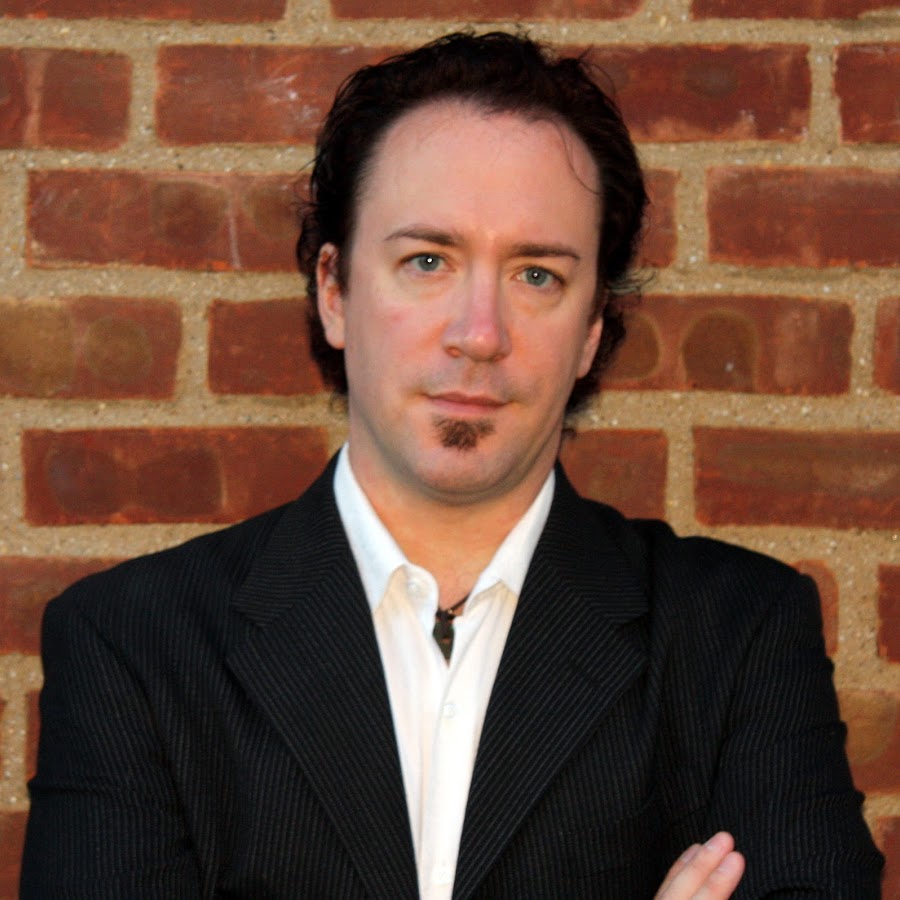 Dug McGuirk is an accomplished entrepreneur and inspirational speaker. As co-founder of Revolutionary Health, Dug is committed to transforming lives. Dug McGuirk is the VP of Training and Development for Palm Healthcare Company where he regularly teaches a variety of transformative classes.
 Heidi McGuirk is an author, co-founder of Revolutionary Health, Master Relationship Coach and addiction professional who teaches several weekly classes at Palm Healthcare.She is the creator and CEO of Love Coach Heidi where she helps recovering co-dependent women learn how to love themselves first.
Dug and Heidi both created an amazing family program for the families of addicted loved ones. The Family Program helps families navigate addiction and understand how to help their loved one instead of hurting them.
We would like to offer you the FREE GIFT of a checklist to help decipher if you are helping or hurting a loved one who is struggling with addiction.
Click for FREE GIFT
We encourage all to come out and support them in this year’s Broward Recovery Month event. Even if you are not familiar with the incredible work Dug and Heidi McGuirk do, you will gain so much from attending the event and hearing their words of inspiration and hope.
Here are the details:
Broward National Recovery Month Event:
When: September 9th from 11-3
Where: The War Memorial Museum
800 NE 8th St, Fort Lauderdale, FL 33304
What: Join special keynote speakers Dug and Heidi McGuirk for FREE food, fun, and inspiration.
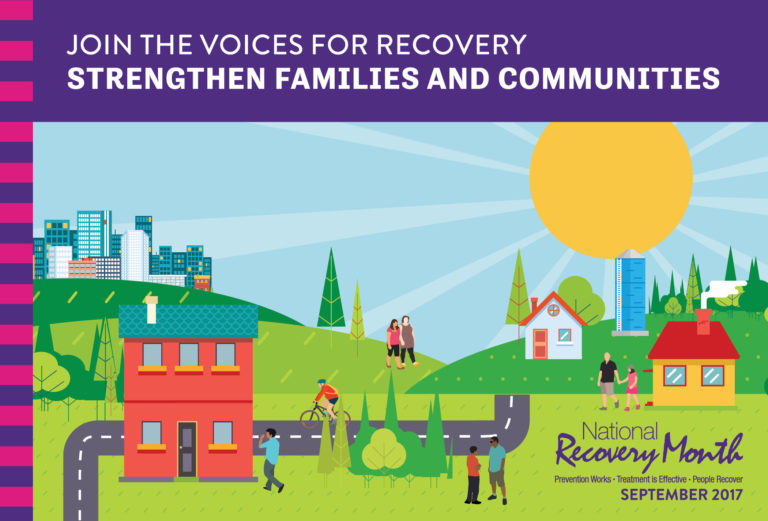
This year’s theme for Recovery Month 2017 is Join the Voices for Recovery: Strengthen Families and Communities.
September marks the 27th anniversary of National Recovery Month. The purpose of National Recovery Month is to increase awareness and understanding of mental and substance use disorder and celebrate people who DO recover.
The 2017 theme highlights the value of family and community support. Recovery Month invites individuals in recovery and their family members to share their personal stories and successes to inspire and encourage others.
Broward Recovery Month will be an exciting, INSPIRING event for all to attend. You can make a difference by joining in the Recovery Month Effort.
Support is crucial when it comes to addiction recovery.
Events that support recovery help encourage and inspire those struggling with their addiction, as well as give an outlet to those who have had amazing success in recovery. These events were created to join the recovery community together and celebrate those who have achieved success in their journey.
Broward’s Recovery Month Celebration “honors outstanding individuals who have made significant contributions to helping people in our county remain sober.”
Overall, National Recovery Month helps instill a sense of belonging, safety, and security to the recovery community. This year, we encourage you to participate in events in your community that support addiction recovery. There are events happening nationwide for you to attend.
Whether you are new to recovery or have years of sobriety under your belt, everyone can benefit from attending major events like this. Families of addicted loved ones are strongly encouraged to attend because this year’s National Recovery Month specifically focuses on strengthening families. Families know more than anyone that addiction does not affect just the addict, it affects everyone around them too.
Millions of lives have been transformed through recovery. Often, these successes go unnoticed. Recovery Month is an excellent way for everyone to celebrate these accomplishments.
Addiction affects everyone, not just the addict. Therefore, if you or someone you know is currently struggling, please reach out. We want to help. Do not wait. Please call toll-free now.
CALL NOW 1-888-922-5398
by Sher Delva | Aug 16, 2017 | Addiction, Addiction Treatment, Depression, Drug Policy, Mood Disorders, Recovery

Red Bull? Monster? Rockstar?
These are all names of some of the most popular energy drinks on the market. Energy drinks are loved by many, however, those who love them most are usually young. Could energy drinks make a person more susceptible to drug abuse or alcoholism later in life?
Shockingly, there is a potential connection between those who consume energy drinks regularly and those who abuse drugs or alcohol later in life.
Researchers at the University of Maryland discovered that young adults who regularly drink highly caffeinated energy drinks continuously were significantly more likely to use cocaine, abuse prescription stimulants and be at risk of alcoholism.
“The results suggest that energy drink users might be at heightened risk for other substance use, particularly stimulants,” said researcher Amelia Arria. The study was published in the Journal of Addiction Medicine in June.
Researchers discovered that 51.4 percent of the 1,099 participants fell into the group with a “persistent trajectory” which means they sustained their energy drink consumption over time. This prolonged use increased the risk of drug addiction and alcoholism, the study determined.
The “persistent trajectory” group were the most likely to be using stimulants and drinking heavily by 25. Those in the “intermediate trajectory” also had an increased risk of risky behavior compared to those who drank much less or never drink caffeinated beverages at all.
For a while, some in the treatment industry warned how these energy drinks could negatively affect those trying to recover from drug and alcohol abuse. They said that drinks often serve as a convenient replacement for a high.
Energy drinks contain a combination of caffeine, vitamins, and herbs. They are easily accessible in any convenience store or supermarket. Redbull and Monster dominate the energy drink market that averages about $50 billion in sales worldwide.
The five-year study controlled for factors such as the effects of demographics, sensation-seeking behaviors, other caffeine consumption and prior substance use.
“Because of the longitudinal design of this study, and the fact that we were able to take into account other factors that would be related to risk for substance use, this study provides evidence of a specific contribution of energy drink consumption to subsequent substance use.”
Despite these results, it is still unclear what biological mechanism connects energy drink use with later stimulant use. More research is needed to understand this fully.
“Future studies should focus on younger people because we know that they too are regularly consuming energy drinks,” Arria added. “We want to know whether or not adolescents are similarly at risk for future substance use.”
With all this said, should energy drinks be regulated? As of right now, it is very easy for anyone to consume energy drinks. Arria suggests policy interventions to help minimize the negative long-term impact.
“Energy drinks are not as regulated as some other beverages. One policy implication is to consider options for regulating the maximum amount of caffeine that can be put in an energy drink,” she said, according to USA Today.
“Parents need to be aware of those risks when their child or adolescent or young adult wants to make a decision about what sort of beverage to consume. They need to be aware of the potential risk.”
—
Energy drinks are great once in a while. However, like everything in life, too much of a good thing can become dangerous. What are your thoughts on this study? Are energy drinks harmful? If you are struggling with mental illness or substance abuse, please do not wait to seek help. Call now.
CALL NOW 1-888-922-5398
Author: Shernide Delva
by Justin Mckibben | Aug 14, 2017 | Death, Drug Abuse, Fentanyl, Heroin, Naloxone, Narcan, Opioids, Prescription Drugs
As we have seen time and time again, the opioid epidemic all across America has not been confined to one substance. It takes the shape of prescription painkillers, illicit heroin and even the more potent synthetic opioids like fentanyl. With the gradual progression of this poisonous outbreak, we have seen the stakes get higher and higher. Prescription opioids contributed to a growing population of heroin users. Dealers lacing heroin with synthetics like fentanyl led to higher overdose rates. Then the highly dangerous, frequently lethal carfentanil was added to the mix and now just being around the drugs can almost kill you.
With the addition of fentanyl and carfentanil to the illicit drug world comes a very real and potentially lethal new threat- secondary exposure overdose.
What is Secondary Exposure?
Secondary exposure is also referred to as secondary contamination or second-hand exposure. It is a term usually used with things like asbestos poisoning or mesothelioma. Sometimes it is even used to describe the effects of radiation. It is when people come into contact with gasses or substances that can be absorbed into the body and do very real damage.
The most common comparison you could make is to second-hand smoke, which is when people smoking cigarettes expose others to the toxic gas they and the cigarette release into the air. Second-hand smoke can cause very real health problems, including some cancers. The most terrible aspect of it being that the individual who gets sick doesn’t even have to smoke themselves.
With drug use secondary exposure overdose has now become a real risk thanks to synthetic opioids. Law enforcement and other officials tell us that some of these dangerous substances must be handled with the utmost caution. The news coming out of Ohio this week is just another example of how hazardous these drugs have become.
Ohio Nurses Experience Secondary Exposure Overdose
At Affinity Medical Center, a hospital in Massilion, Ohio, three nurses helped treat an overdose patient. After cleaning the room where the individual was treated, the three nurses were overcome by secondary exposure. They got sick and shortly after lost consciousness.
Detective Shaun Dadisman states,
“They were cleaning up the room and started to feel sick. And then that left them waking up in a hospital bed,”
According to the investigators in this case, the three nurses were treated with Narcan. The opioid overdose antidote Narcan is the brand name for Naloxone, which is used to reverse the effects of opioids on the respiratory system. The local law enforcement believe the substance the nurses were exposed to was fentanyl. Thankfully, all three nurses are said to have recovered.
A union representing nurses at the hospital intends to meet with hospital officials to review protocols for environmental contamination. A spokeswoman from the hospital states that the institution does have effective policies, which isn’t out of the question.
Police Officer Needs Narcan after Secondary Exposure Overdose
Just this summer, a police officer in a very similar situation almost died from an accidental overdose due to secondary exposure. Officer Chris Green was responding to a drug call when the incident occurred. The drug he came in contact with at the time was so powerful that even though officer Green said he was wearing gloves and a mask as he searched a suspect’s car, he still ended up being severely impacted by the substance. Merely by ending up with a white substance on his shirt officer Green needed to be revived with not just one, but multiple doses of Narcan.
How Does Secondary Exposure Overdose Happen?
Detective Shaun Dadisman spoke more about the dangers of opioid overdose through secondary exposure. Dadisman states,
“It shuts down your breathing. It shuts down your system so you get to the point where you’re not breathing on your own. And you need that boost and that Narcan is what takes that away so it helps you to recover quickly,”
Fentanyl and other opioids like carfentanil present a whole new level of danger concerning secondary exposure. The drugs are so intoxicating that law enforcement and medical personnel are now forced to come up with new policies and protocols just to handle an individual who may be overdosing on these drugs to protect themselves and others. Dadisman stated,
“I was actually stuck by a needle from an individual on a heroin overdose, so I had to run through all of the testing myself,”
The opioid epidemic now doesn’t just present an elevate risk of death to those who are using these drugs. Opioid abuse now poses a very real and deadly danger to those who work to save the lives of users every day. The greatest danger some of these drugs prevent is that of the unknown. As Dadisman points out,
“I think there will be continued changes – gloves, masks. And the problem with our first responders, police officers and our nurses and stuff, is you don’t know immediately what you’re dealing with. After the fact, you may know, but it may be too late.”
So now every day these synthetic opioid drugs don’t just threaten the lives of people who consume them, whether knowingly or not, but also the people closest to them.
So what can be said about secondary exposure overdose? Well, it is safe to say that with some of the most powerful drugs that are out there simply getting some on your skin or breathing it in, even on accident, can cause life-threatening illness. While hopefully this concept does not start a panic, it is a reality that more people should probably be aware of. Whether people are leaving the drug around others, consuming the drug in public places or being revived by loved ones and first responders, the fact is the drugs are stronger and more life-threatening than ever. The fact that a dose of Narcan might not save someone on the first shot should be enough to push for more awareness and more focus on finding a way to fight back.
So, what more can be done about the possibility of secondary exposure overdose?
If you or someone you love is struggling with opioids do not hesitate to get help. The rates for overdoses and opioid-related deaths are far too high to keep gambling with your life. Protect your loved ones and your future. If you or someone you love is struggling, please call toll-free now. We want to help.
CALL NOW 1-888-922-5398
by Sher Delva | Aug 11, 2017 | Addiction, Anxiety Disorder, Therapy, Withdrawal
It’s official.
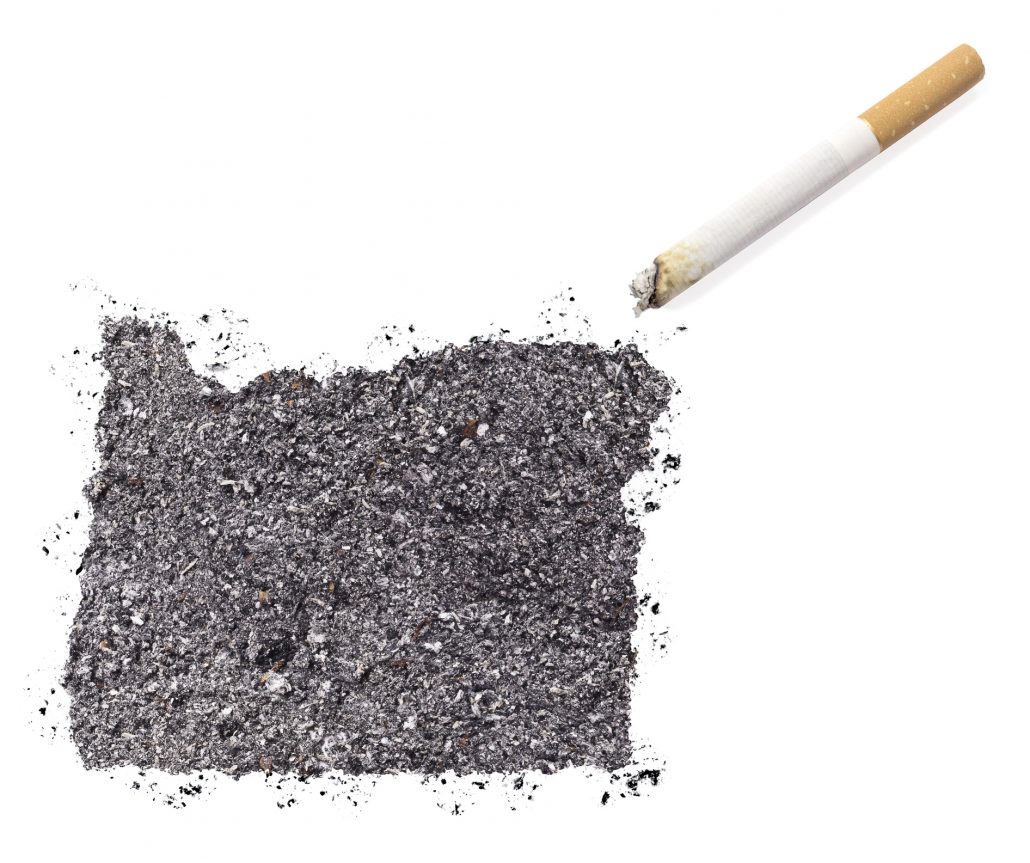
Oregon just became the 5th state to raise its smoking age to 21. Oregon will now join California, New Jersey, Hawaii, and Maine as states where a person must be at least 21 to purchase tobacco products.
Gov. Kate Brown signed the bill on Wednesday, and it will take effect at the start of 2018. The bill will bar anyone under the age of 21 from purchasing tobacco products.
The empirical research shows the change could save lives. Prior to this, Brown praised Lane County in Oregon for raising its legal age, arguing it was a necessary move to reduce smoking rates.
“I want to make sure that we continue to reduce the number of young people starting to smoke, but it’s also critical that we reduce the number of people smoking,” she said in May.
In short, these new bills are a popular strategy to address the high death rates from smoking. While smoking rates have actually declined in the past several years, tobacco products still kill far more than all other drug-related deaths, murders and car crashes combined. Policymakers believe these new bills will decrease the amount of deaths that occur every year due to tobacco
The Stats & The Controversy:
Tobacco kills over 480,000 people in the US every year. A 2015 report from the Institute of Medicine (IOM) found that raising the smoking age to 21 could prevent approximate 223,000 premature deaths among Americans born between 2000 and 2019.
Still, some remain skeptical. Many argue that since 18-year-olds can serve in the military, get married and enter into legal contracts, they should be able to choose whether or not to smoke. Furthermore, there are concerns about how these policies are going to be enforced and the overall cost for taxpayers.
However, Beverly May, a regional director for the Campaign for Tobacco-Free Kids supports the bill. She believes it is another step in changing social norms and reducing the amount of youth who smoke.
“This is just another tool of a comprehensive approach to working with youth … It’s not just (raising the legal age to) 21. I think there’s been a lot of emphasis on law enforcement, but this is something we want to do for changing the social norms. It’s working with communities and convenience stores so they don’t sell the cigarettes,” May said.
Changes in smoking regulations are always shocking at first, May explains. At one time, smoking was common in airports, public restaurants, bars and other indoor locations. However, nowadays seeing someone smoke indoors would be incredibly uncommon.
“Now what happens is that if you walk into a restaurant and someone sees another person smoking, usually a patron will tell them to quit smoking or will tell the management. So a lot of these laws are policing themselves,” May continued.
Young People Are More Likely to Become Regular Smokers
Furthermore, older people are less likely to become smokers in comparison to younger people, the study notes. About 90 percent of adults who are daily smokers started smoking before 19 years old. Almost 100 percent report their first use before age 26, according to the IOM report. Therefore, preventing people from smoking at a young age could prevent them from smoking for a life time.
The higher legal age would delay the initiation rate in several ways:
- It would prevent 18- to 21-year-olds from legally purchasing cigarettes.
- It would have a trickle-down effect by making it more difficult for 15-17-year-old to access cigarettes from friends and family.
- Middle and high-school students are more likely to have peers around 18-19 than peers closer to 21, making it more difficult to regularly obtain cigarettes illegally.
These new bills are modeled after The National Minimum Drinking Act of 1984 which rose the legal drinking age from 18 to 21.While many argue that the drinking age should be lowered, a 2014 review in the Journal of Studies on Alcohol and Drugs found that evidence strongly suggested that the increasing drinking age has, in fact, reduced the amount of underage drinkers.
The review discovered that the minimum 21-year old drinking age saves hundreds of lives annually when you look at reduced alcohol-related traffic fatalities among underage drivers. One study found that the number of fatally injured drivers with a positive blood alcohol concentration decreased by 57 percent among those ages 16 to 20.
New Zealand, which reduced its drinking age from 20 to 18 in 1999, saw increases in drinking among ages 18 to 19. There was an even bigger increase among those 16 to 17 years old, as well as a rise in alcohol-related crashes among 15- to 19-year-olds.
Still, critics commonly argue that these age increases force youth to drink in secret, which increases binge drinking. However, there has not been any research that confirms this.
What do you think about increasing the age to use tobacco products? Either way, it seems like this is becoming a trend. There are officially five states that have enacted this type of bill. Smoking may seem harmless, but it is clear the consequences can be deadly overtime. If you are struggling with mental illness or substance abuse, please do not wait to seek help. Call now.
CALL NOW 1-888-922-5398
by Sher Delva | Aug 11, 2017 | Addiction, Addiction Stigma, Celebrity, Stigma, Therapy, Withdrawal

Not long ago, we wrote an article regarding WWE Hall of Fame wrestler Kurt Angle and his journey to sobriety. Now, Kurt Angle is thrilled to announce that he has achieved four years of sobriety!
On Sunday evening, the wrestler posted a black and white meme of Mickey Mouse flipping the bird that said, “To all the people who said I couldn’t stay sober this long…”
He continued his words with a more serious tone:
“Yesterday was my 4th year anniversary of remaining sober. I’m very humbled by my progress and support. Had to post this, because there’s very little humor in recovery.” Angle continued, “So I’m going to enjoy this. Hope you all do too! “Here’s to 4 years bitches!!!!” #stayingsober #doingitformyfamily #itstrue.”
The 48-year-old has been vocal about his addiction and recovery from prescription painkiller addiction. Angle was first introduced to painkillers in 2003 after sustaining a neck injury. He felt pressured to conceal his injury to continue working, so he opted for painkillers to alleviate the pain.
“I remember taking that first pill, and I was like, ‘well, this makes me feel really good. I feel like I can take on the world and I can’t feel my neck.’ And the affect it had on me gave me more energy than I normally had, so I liked that feeling. So I tried that. One turned to two. Two turned to four. Four turned to eight. And before I knew it, I was out of control,” he said in an interview.
In order to conceal his drug use, Angle would hold off on taking narcotic pain medication during the evening. Right when the night time hit, he would abuse painkillers, alcohol, and anti-anxiety medication. At one point, Angle says he was ingesting 65 painkillers a day. He managed to rack up four DUIs over a six-year period.
At times, he was able to withdraw from opioids on his own, but eventually the desire to use caught up with him.
Looking back, Angle admits: “When you’re that deep into that stuff – you can’t do it on your own.”
In August of 2013, Angle finally reached his breaking point. After his fourth DUI in Wise County, Texas, he decided to enter rehab and has been sober since.
Since entering recovery, Angle has returned to the WWE as a general manager and has launched an app and website to help those in recovery.
“I’m traveling all the time for work, and I’m a husband and father to five kids, so I just don’t have time for AA meetings,” he said. “I could go to a counselor or a psychiatrist, but that’s pricey and still just one day a week. Where was I going to get this structure now?”
Because of these concerns, Angle developed a space that would help give people in recovery a sense of accountability and structure. The site and app, AngleStrong, offers users support, structure, positive affirmations, goals and reminders to help with their sobriety. The site offers tools that help address all aspects of recovery.
Angle stressed how crucial it was for him to maintain a conversational about addiction.
“What keeps me clean is talking about my addiction. I do it daily, whether it’s in the form of talking to a group, an interview or a video chat. And at the same time, I’m giving back.”
We commend Kurt Angle for his efforts in not only staying sober but helping others struggling in their journey as well. It is so important to offer a helping hand to those in the early stages of sobriety. The first year of recovery is challenging and a completely new experience. It is important to create a network of people who will keep you accountable during this period of time.
Addiction is a disease and recovery is the only way to manage and take back control fully. If you are struggling with mental illness or substance abuse, please do not wait to seek help. At one point, Angle felt completely out of control, but recovery gave his life back. You can regain yours too. Call now.
CALL NOW 1-888-922-5398
by Justin Mckibben | Aug 9, 2017 | Drug Policy, Law Enforcement, Naloxone, Prescription Drugs, Recovery, Stigma

President Donald Trump promised a “major briefing” via his favorite publication… twitter… this Tuesday morning. Many people were expecting something big related to the request from the national opioid commission to declare a state of emergency for the opioid epidemic. But alas, this was not the case. President Trump made no announcement on new policies in the fight against opioids. Instead, he made a comment that sounds a lot like Nancy Reagan telling everyone to ‘just say no’ in the 80s, and we all know how well that worked.
This is concerning to so many who put stock in President Trump when he said he would make fighting the opioid epidemic a priority. Yet, so many feel like he is absent on the subject when it comes to establishing any initiatives or taking proactive action.
President Trump vowed on Tuesday that the United States will “win” the battle against the heroin and opioid outbreak. But instead of presenting a plan to support and reinforce treatment initiatives and other programs, the focus on his comments were claims to-
“- protect innocent citizens from drug dealers that poison our communities.”
The closer we look at the administration’s latest actions, the more it seems like this administration prefers the failed ‘just say no’ and War on Drugs mentality than actually offering a progressive answer.
President Trump Says Drugs are Bad
Probably the one part people are most annoyed with is when President Trump stated:
“Maybe by talking to youth and telling them ‘no good, really bad for you in every way’, but if they don’t start it will never be a problem.”
I feel like most of us did a good old fashion face-palm on this one… because DUH! We know drugs are bad (thanks Mr. Mackey) and we know talking to kids about drugs matters. That is why programs like Drug Abuse Resistance Education (D.A.R.E.) have been around for decades. However, we also know from D.A.R.E.’s track record that this kind of program hasn’t been particularly successful at stopping drug use either!
While giving this latest briefing from his 17 day “working vacation” from his golf club in Bedminster, New Jersey, President Trump also stated:
“The best way to prevent drug addiction and overdose is to prevent people from abusing drugs in the first place,”
“I’m confident that by working with our health care and law enforcement experts, we will fight this deadly epidemic and the United States will win.”
Now while it is true that addiction can’t technically develop if someone never uses substances, this still sounds a lot like ‘just say no’, which we all know does not work as a drug policy. Prevention is key and maybe with more detail about Trump’s plan on how to prevent drug use we could see where this comment is going. But as it stands, these comments just sound like more of the same.
After all, Trump’s Attorney General Jeff Session does seem to agree with the old War on Drugs tactics. Why, we may never know.
It is incredibly frustrating to advocates and experts involved in the addiction recovery community, as well as for citizens all across the nation who are hoping for some real change. Why- because we know that ‘just say know’ failed. We tried to just tell kids that drugs are bad for them and not to do them, but the epidemic still happened! And needless to say, just saying no is not going to help us with the overwhelming rates of addiction, overdose and death that we are already dealing with.
Far beyond that, understanding and overcoming addiction is about a lot more than just knowing its bad for you.
Is President Trump Ignoring Suggestions?
The president himself appointed the opioid commission, chaired by Republican New Jersey Governor Chris Christie. Only a week ago the panel urged President Trump to “declare a national emergency”, citing the tragically high overdose and death rates across the country. In the report issued by the opioid commission there were numerous recommendations that many were hopeful would come to fruition as soon as possible. Among these recommendations there is:
- Expanding treatment facilities across the country
- Educating and equipping doctors about the proper way to prescribe pain medication
- Equipping all police officers with the anti-overdose remedy Naloxone
All of these suggestions seem like they would make a pretty big impact on the current predicament. Empowering treatment providers in more of the U.S. can help get more addicts off the streets and introduce them to the option of getting well. Putting more power in the hands of doctors to safely and effectively provide medications could help reduce the staggeringly high prescription drug abuse rates. Giving the overdose antidote to more first responders could save so many more lives.
And yet, President Trump did not address a single one of these recommendations, or event suggest that one of them was on his current to-do list.
Instead, he went back to his go-to argument for solving all of our problems… our borders. Again, President Trump doesn’t give any indication as to planning for expanding treatment or Naloxone access. Nope… he just promises to be-
“-very, very strong on our Southern border.”
Did he talk about training doctors in order to avoid issues with prescription drugs? Nope. Instead he claimed:
“We’re talking to China, where certain forms of man-made drug comes in and it is bad,”
Yes, again we understand… ‘drugs are bad… mmmkay.’ But seriously, this is not the first time that this administration has shifted the focus from helping treat those who have suffered from drug addiction to ‘tough on crime’ tactics and border security. But time and time again experts in law enforcement and drug policy insist that the answer is not in attacking the supply side, but in treating those who suffer now.
Health and Human Services Secretary Tom Price told reporters they haven’t taken anything off the table, but that they believe at this point the necessary resources and focus can be addressed without an official declaration. However, looking at what declaring the emergency would have done, why would doing it be a bad thing?
Why a National Emergency Matters
The reality is, we are all well aware of the severity of the opioid epidemic by now. However, declaring a national emergency does actually count for something.
If President Trump were to declare a national emergency it would speak volumes to the scope of the issue on a national platform. Also, coming from one of the highest authorities in the nation, it would have opened the door to making those other suggestions happen.
According to Juliet Sorensen, a professor at Northwestern University Pritzker School of Law, Trump’s declaration could have:
- Allowed the executive branch to direct federal funds to expand treatment facilities
- President Trump would have also been able to direct funds to equip police with Naloxone
- Allowed him to provide the FBI, the Drug Enforcement Agency and other law enforcement agencies with more money to focus on the manufacturers and smugglers of dangerous drugs like fentanyl
But maybe one of the biggest impacts it could have had would have been on the rest of the House and the Senate. Fighting the opioid epidemic is one of the very few topics in politics right now that has bipartisan congressional support. Declaring a national emergency could give President Trump the perfect opportunity to unite both sides of the aisle and create cooperation and momentum.
This is a vital issue that should absolutely be a priority. Therefore, the idea of returning to an archaic, outdated philosophy concerning drug use is annoying at the least and potentially terrifying for some. The epidemic shows no sign of stopping anytime soon. Maybe it is time to do more than just tell people drugs are bad. If we want to do some good, we need to support each other with compassion.
Palm Healthcare Company values compassionate, comprehensive and innovative holistic treatment opportunities to help save the lives of those that are suffering, and we encourage professionals, community leaders and family members to get involved in helping change lives for the better. If you or someone you love is struggling with substance abuse or addiction, please call toll-free now.
CALL NOW 1-888-922-5398


