by Justin Mckibben | Sep 6, 2017 | Alcohol, Binge Drinking, Celebrity, Drug Abuse, Fitness, Neen Williams, Recovery, Sober Fun

For many years Professional skateboarder Neen Williams lived a life of sleepless nights partying while creating a name for himself in the skater world. Born in Chicago, Illinois and currently shredding street tricks in his hometown of Los Angeles, California Williams has managed to attract sponsorship from several brands including:
- Deathwish
- Circa Footwear
- Thunder Trucks
He also has a line of board designs that are all pretty slick. Neen Williams says he’s been skateboarding since he was about 13 years old, and with the territory he found himself smoking and drinking alcohol on a regular basis. Now, at age 31 he has turned his passion into his point of reference for a more sober approach to life.
Sobriety and Skating
Williams admits that he used to have a very different perspective of the life of a skateboarder himself. In a recent video with VICE he states,
“Skateboarding forever was like ‘drink boozes, smoke, we don’t stretch we don’t work out,’ and later in the interview he explains, “Back in the day I used to wake up late, eat like a burrito and slam a beer; go out and skate, manage to get a trick, and it would just be party time again.”
“It would never stop. It was just like a vicious cycle. There were a couple nights I would wake up at 6 or 7 (PM) and it would be dark outside.”
In that vicious cycle, Williams talks about needing days at a time to recover from drinking and partying, and on the last day when he finally felt good enough to get back to skating he would immediately go back to the partying as well.
He goes on to say that he wishes he had known all of this when he was a teenager, but even at 31 years old he is still learning so much. During part of the video interview Neen Williams says that he knows if you take care of yourself, you can skate forever. That, he says, is why he now makes the effort to eat so well and train his body,
“This is why I do all this healthy stuff for myself… because that is what I want, is to skate forever.”
That seems like a really legit reason to take care of yourself; to do what you love forever!
Originally Williams said he decided not to drink for the 6 to 8 month healing period he was told he would need for a torn ACL. Since then, it appears his lifestyle has changed dramatically to make his dream work.
Health Food and Fitness
Even though some may not immediately associate a balanced and healthy diet, along with regular exercise, it appears to have become a crucial element to Williams’ evolution as a skater.
On VICE Williams prepares a breakfast of acai bowls that honestly look stacked with natural goodness. Williams tops off one of the meals he makes- serious serving of what looks like well-blended fruits and vegetables- with diced pineapples and what I would guess to be barriers, almond butter, and granola, it looks like heaven.
You also get to see Williams break out a yoga mat and start stretching himself out. From there he said since Saturday isn’t a week day, he warms up with a quick 200 in to start the day.
When talking about his workout, he compares it to any other athlete. He says football players train to do what they do and they are covered in pads and protective gear. While he admits football players have 300lbs of muscle falling on them, he says the pro skater is usually out in the bare minimum, if anything, fighting sometimes face-first with concrete.
The Deathwish Team Manager, Jay Thorpe, makes a cameo during a street-side video shoot and says it is “really rad to see” when talking about Williams cleaning up his act and committing to the thing he wants to do for the rest of his life.
Williams says that while he doesn’t judge anyone, and doesn’t regret his party days, he has seen a lot of people fall because of it and he likes what he’s doing now. Probably a big inspiring part of Williams’ story is that he says he is glad he went through it and worked his way out of it to be the person he wants to be.
Athletes are put under a lot of pressure to succeed, even professional skateboarders and other extreme sports athletes. Sometimes the lifestyle of pro-sports stars can influence issues with substance use or addiction. Too many talented individuals are held back by these obstacles, but it never too late to get a fresh start toward a better, healthier expression of yourself. If you or someone you love is struggling with substance abuse or addiction, please call toll-free now.
CALL NOW 1-888-922-5398
by Sher Delva | Sep 5, 2017 | Addiction, Addiction Stigma, Addiction Treatment

September 2017 marks the 27th anniversary of National Recovery Month. The purpose of National Recovery Month is to increase awareness of mental and substance use disorder and celebrate people who DO recover.
The theme for National Recovery Month 2017 is: Join the Voices for Recovery: Strengthen Families and Communities.
This year’s theme highlights the value of family and community support. National Recovery Month invites individuals in recovery and their family members to share their personal stories and successes to inspire and encourage others.
The Purpose of National Recovery Month 2017
The Substance Abuse and Mental Health Services Administration (SAMHSA), within the U.S. Department of Health and Human Services (HHS), is sponsoring National Recovery Month.
Back in 1992, Congress established SAMHSA to help make information and services more accessible to those in need of assistance.
SAMHSA Strategic Initiatives have various purposes, including:
- Providing resources for people with mental and substance use disorders
- Supporting the families of those struggling with mental and substance use disorders
- Building resilient and supportive communities
- Promoting prevention of costly behavioral health problems
National Recovery Month’s overall goal is to educate Americans that addiction treatment and mental health services can enable those struggling to live a healthy and rewarding life.
National Recovery Month sends the message that:
- Treatment is essential and effective
- Prevention does work
- People can and do recover
Every September, thousands of prevention, treatment and recovery programs host events and activities intended to educate the public about recovery. There are millions of lives who have been transformed through recovery. National Recovery Month is about raising awareness of the treatment programs out there. It is also about celebrating the successes of those who have recovered.
Broward Recovery Month Celebration
If you live in the South Florida area, you should consider attending a SPECIAL event occurring in Broward County.
Broward’s Recovery Month Celebration: “honors outstanding individuals who have made significant contributions to helping people in our county remain sober.”
Broward Recovery Month invites you to attend a special recovery event on September 9th at the War Memorial Auditorium. The event will occur from 11 – 3 and there will be food, fun, and inspiration for all. Special guest speakers Heidi and Dug McGuirk will be speaking at this year’s event. Please see our recent article for more information.
The Importance of National Recovery Month
Overall, the mission of National Recovery Month 2017 is to show Americans that addiction and mental illness are not life sentences. There is support out there. There are millions of Americans who have sought treatment and have recovered. Furthermore, through education, we can prevent these conditions from becoming worse. Awareness is the key.
The message that recovery CAN happen changes the face of addiction from one of hopelessness to one of possibilities and success.
There is a way out. Often, the media focuses on those struggling with addiction, however, there are plenty of recovering addicts who have managed to lead successful healthy lives. These successes tend to go unnoticed.
National Recovery Month 2017 helps spread the message of recovery and acknowledge these accomplishments. If someone you know is struggling with addiction or mental illness, give us a call. There is a way out and we can help. Do not wait. Call toll-free today.
CALL NOW 1-888-922-5398
by Justin Mckibben | Sep 5, 2017 | Drug Abuse, Drug Policy, Heroin, LSD, MDMA

(This content is being used for illustrative purposes only; any person depicted in the content is a model)
For anyone out there who (like me) loves the allure and intrigue of conspiracy theories, the new upcoming mini-series Wormwood on Netflix should absolutely be a Roswell-sized-blip on your radar. The show is described as part documentary, part drama (and in my early predictions- all awesomeness). Set to the backdrop of the 1950s and 1960s, the show is going to delve into the notorious Project MK-ULTRA.
Should we be excited about an intense take on CIA spooks, mind control experiments and a murder mystery?! Uh… YEA! Well, at least I am, obviously. The trailer released shows off cinematography that looks dark, edgy and eerie, with a tone that fits the content. For a little backstory about the twisted conspiracy behind the show Wormwood on Netflix, let’s take a face plant down the rabbit hole of Project MK-ULTRA.
Project MK-ULTRA
The operation began in the early 1950s and was officially sanctioned in 1953. It was designed and undertaken by the United States Central Intelligence Agency (CIA) during the Cold War era when- as the trailer says- “the most dangerous weapon is information.” MK-ULTRA was kept hidden for about two decades due to the fact that the experiments were done on human subjects, which were at times illegal and most notably because the subjects did not consent and had no idea what was being done to them. The organized efforts of the project included entities such as:
- The Scientific Intelligence Division of the CIA
- Special Operations Division of the U.S. Army’s Chemical Corps
These invasive and supposedly damaging experiments were intended to identify and develop drugs and procedures to be used in interrogations and torture. The idea was to learn how to weaken the individual to force confessions through mind control, but the implications of these methods may also suggest far more sinister ways to utilize these tactics.
The Conspiracy
For years people thought it was truly a paranoid dream, and considering the massive scope of the project, once finally revealed, there is no wonder why. According to a 1984 broadcast of 60 Minutes, MK-ULTRA involved more than 130 research programs within various known institutions, including:
- 44 of them being colleges and universities
- 15 research foundations, chemical or pharmaceutical companies
- 12 hospitals or clinics
- 3 prisons
Project MK-ULTRA conducted many illegal activities. One incredibly controversial method was the use of unsuspecting U.S. and Canadian citizens as test subjects. But the most notorious of all is probably the use of LSD and other chemicals to manipulate people’s mental states and alter brain functions.So essentially anyone from inmates and hospital patients to college students and Big Pharma customers could have been exposed to some of the most mind-bending, drug-induced illusions without their knowledge at the will of the United States government.
The world remembers well learning that government agencies were forcing hallucinogenic drugs onto citizens, but this is just one method of psychological torture via drug abuse in Project MK-ULTRA.
Forced Drug Experiments
While LSD is the drug most commonly associated with MK-ULTRA, the program is said to have utilized several other drugs in their illegal testing, including:
- Heroin
- Morphine
- Psilocybin (magic mushrooms)
- Methamphetamine
- Barbiturates
- MDMA
- Temazepam
- Mescaline
- Scopolamine
- Marijuana
- Alcohol
- Sodium
- Pentothal
The CIA Cover Up
To touch on the timeline of Project MK-Ultra being exposed:
1973- CIA Director Richard Helms ordered all MK-ULTRA files destroyed
1975- The Church Committee of the U.S. Congress first brought MK-ULTRA to the attention to the public.
A Gerald Ford commission was tasked to investigate CIA activities within the United States. Investigative efforts were hampered by the fact the destruction of the documents in 1973.
1977- Senate hearings began following a request from the Freedom of Information Act that uncovered a cache of 20,000 documents connected to MK-ULTRA.
2001- Even more information regarding MK-ULTRA became declassified
Now the world is well aware that the CIA, in cahoots with other entities, was behind hundreds of mind-control experiments. These horrific tortures and inhumane experiments are said to have left some people mentally and emotionally crippled for life. Hopefully, the new series Wormwood on Netflix will also give us a closer look at home some of these victims were able to recover, if at all.
Wormwood on Netflix makes it Personal
Academy Award-winning director Errol Morris gives this illustrious conspiracy story new texture and connection using dramatic reenactments with real-life interviews. Beyond that, the series Wormwood on Netflix also stands to humanize the drama, making it a much more personal and relatable scenario.
Enter the incarnation portrayed by Peter Sarsgaard of Dr. Olson. The real-life CIA biochemist Dr. Frank Olson died after falling 10 stories from a New York City hotel room in 1953. Dr. Olson’s death at the time was ruled a suicide. However, his family and others believe that he was actually assassinated by the CIA. Dr. Olson’s son, Eric Olson, is also part of the series.
Eric Olson and his brother Nils have made it their life’s mission to uncover the truth about their father’s death. Eric Olson has spent over 60 years investigating.
As if an indirect admission of fault, the Olson family actually received a settlement of $750,000 and a personal apology from then-President Gerald Ford and CIA Director William Colby. This came 20 years after Olson’s death in 1976, after all the documents pertaining to MK-ULTRA began to surface. Then in 1994, a second autopsy was conducted on the body of Frank Olson, which is said to have revealed injuries that had “likely occurred before the fall” leading many to believe that Frank Olson was killed by the CIA.
One way or another, Wormwood on Netflix is sure to be a very interesting ride. With the ominous overtone of impending espionage, chemical warfare, spy games and murder this show is set to take something that is so real it’s scary and packages it in a way that is sure to pull us in.
At risk of tempting a Netflix binge, there are some very good documentaries and other films related to substance abuse, drug policy and addiction. There are all kinds of resources out there to stay informed about the history of drug use and the risks associated with it. Find a way to learn more and if you or someone you love is struggling with substance abuse or addiction, please call toll-free now.
CALL NOW 1-888-922-5398
by Justin Mckibben | Sep 1, 2017 | Coping Skills, Family, Inpatient Treatment, Recovery, Self Improvement

The devastating path of Hurricane Harvey has caused unprecedented and catastrophic flooding throughout southeastern parts of Texas. The Lone Star State has been all over the news since the tropical cyclone touched down, becoming the first major hurricane to make landfall on American soil since Wilma in 2005.
Some areas received over 40 inches of rain in a 4 day period, with peak accumulations reaching as high as 51.88 inches. The flooding and damage from the storm has besieged hundreds of thousands of Texan homes, displacing over 30,000 people.
Since its initial landing in Rockport, Texas there are reports of at least 46 confirmed deaths.
Sadly, the tragedy is not yet over. As efforts continue to pour in to relieve the suffering communities, Brock Long calls Hurricane Harvey the worst disaster in Texas history. Long says the expectation of recovering from this destructive natural disaster will take many years.
Still, there is hope. Houston Mayor Sylvester Turner is telling the world that they are happily on the road to recovery. Turner states:
“We’ve turned a corner,”
Yesterday the Mayor also noted there are already numerous signs of hopeful progress, including:
- Declining shelter numbers
- Power restored to most of the region
- The Astros’ doubleheader on Saturday
- More Metro bus lines resume service Friday
- Shipping channel reopening on limited basis
Leave it to the state where they do everything bigger to have such an inspiring bounce back after facing such difficulties. Our thoughts and prayers are with everyone where the motto is friendship and the country is uniting to help those in need.
As the nation pulls together during a time of crisis, so too must an individual pull their own personal resources into maintaining their mental, emotional and physical well-being in the face of disaster. So to add more to the conversation, we want to talk about 5 ways to stay sober during a natural disaster.
The news of another possible threat in the form of Hurricane Irma has been worrying many communities, while there has yet to be a definite answer as to whether or not it will make landfall in the United States, and if so- where.
So let us talk about something that is important for those in the recovery community to keep in mind.
Trauma and Relapse
We want to point out that because natural disasters can be traumatizing experiences, they can put some who are struggling to overcome addiction in a more compromised position. These events stir up anxieties concerns important parts of life, like:
- Personal security
- Physical health
- Relationships
- Psychological well-being
Even healthy people with no history of substance use disorder are frequently traumatized by these sudden and uncontrollable events.
Therefore, it only makes sense that some who are unequipped with healthier coping mechanisms will often turn to trying to escape these fears with drugs or alcohol. It is their natural defense.
Some may find that the traumatic event itself does not inspire cravings, but the aftermath is far more influential. Survivors of natural disasters may be more vulnerable to relapse as they struggle to cope with what has happened.
5 Ways to Stay Sober During a Natural Disaster
-
Have a network
One way that people are able to stay sober during a natural disaster is that they have a strong network of reliable friends, other individuals in recovery and even sometimes counselors they can stay in contact with. Keep your A-team on speed dial and stay in touch with them, even when the disaster is over.
-
Keep honest
This is pretty much always crucial, but we should emphasize it because too many people will overlook it when it matters the most. Stay honest with those around you about your emotions and how the disaster has affected you, especially when you are feeling like you are in a bad place.
-
Maintain a routine
Having a routine, even in the face of tremendous difficulties, can help you to retain some semblance of normalcy while dealing with a tragedy. When trying to stay sober during a natural disaster you may find comfort and coping skills in the simple things like taking care of your hygiene, exercising or even meditating. Have a healthy routine to fall back on when the dust settles.
-
Help others
Helping others is already a huge part of continued sobriety for a lot of people. Many recovery programs promote a life-style that suggests helping others and being of service. Do what you can to be there for those around you, and your community. However, always remember to take care of yourself as well. Don’t push yourself too far and avoid putting yourself in danger.
-
Find a support group
While support groups already exist for those in recovery, sometimes they are especially useful with trying to stay sober during a natural disaster. Don’t rush out in the midst of something dangerous trying to get to a meeting, but immediately after the traumatic events seek out a support group or some form of counseling to help you process the tragedy. Even if you don’t feel specifically vulnerable at the time, it is healthy and productive to try and connect with others in a time of crisis.
In fact, if not for you… do it for them.
There is often no way to predict how something so damaging will show up in your life and what it may do to you physically, mentally or emotionally. Yet, having an effective strategy in place might help you be ready for anything.
Do everything you can to make sure that you stay sober during a natural disaster, so that one tragedy doesn’t create another in your life.
Stay safe everyone!
In the face of great adversity and turmoil we are gifted the opportunity to be better than our anxieties and our traumas. Staying sober during a natural disaster may not seem as important as just staying alive, but for some of us it is essentially the same. If you or someone you love is struggling with substance abuse or addiction, please call toll-free now. We want to help. You are not alone.
CALL NOW 1-888-922-5398
by Sher Delva | Aug 31, 2017 | Addiction, Addiction Stigma, Drug Abuse, Mental Health, Stigma

(This content is being used for illustrative purposes only; any person depicted in the content is a model)
The elderly population frequently is ignored when it comes to drug addiction. After all, when most people think of the word “drug addict,” they typically picture someone in their 20s and 30s. The media depicts addiction as mostly affecting youth. While it is true that the youth population is heavily affected, the middle-aged and elderly drug addiction rates are also rapidly rising.
Millions of older Americans receive painkiller prescriptions for chronic conditions such as back pain, arthritis, and headaches. Eventually, some of these older adults become addicted. Pain prescriptions are a serious problem, and it is important the elderly population receive the same attention as the younger population. Addiction does not discriminate. Everyone needs treatment.
Prescription pain medications can do just as much harm as heroin peddled on the streets. Even worse, when a patient is not able to gain access to their pain prescriptions, they often turn to heroin as a cheaper alternative. The heroin on the street is more dangerous because there is no way to know what is being distributed. Often, heroin on the street is laced with powerful opioids like fentanyl which increase a person’s vulnerability to an overdose.
The Middle-Aged and Elderly
The Agency for Healthcare Research and Quality reported a sharp increase in hospitalization from prescription drug abuse among Americans aged 45 to 85 and beyond. According to the Center for Disease Control and Prevention, the highest death rates from drug overdoses were reported among middle-aged adults between 45 and 54.
One study revealed that 20 percent of people over the age of 65 take painkillers several times per week. The rate of addiction among chronic pain patients is at an astonishing level of 18 percent. Dr. Andrew Kolodny is the chief medical officer of the Phoenix House Foundation. He explained in a recent article that the highest rates of overdose deaths are in patients who have legitimate prescriptions for managing their chronic pain problems.
Older patients are more able to find opioids because doctors are more willing to prescribe them. Dr. Kolodny points out that improperly using opioids increases the risk of dependence. Shockingly, if someone were to take several doses a day, physical dependence could occur in as little as five days.
Opioid Addiction from Painkillers
Older Patients taking pain medication are less likely to notice the onset of addiction. It’s typically the family or caregivers that begin to notice the changes in behavior. Often, these older patients are unaware that they are becoming dependent on opioids until a negative consequence occurs.
Furthermore, seniors on opioids are at a higher risk of falling, which increases the risk of devastating fractures.Because many seniors take several medications at a time, there is a potential for harmful drug interactions. For example, an opioid could interact with another drug like a sleeping medication and increase the risk of respiratory depression and sedation.
It is important that seniors have an understanding of this risk. If a patient has a history of alcohol use, it is critical that healthcare providers are aware. The enhanced effects of opioids combined with alcohol results in negative consequences. Nonetheless, one does not need to be a drinker to have a problem with opioids.
A Way Forward
The reality is that close to 50 percent of people age 65 and older deal with chronic pain. While it is important for doctors to address the pain of their patients, it is also just as important to inform patients of the risk of addiction when taking prescriptions opioids.
A journal review found that short-term prescriptions have less of a risk for dependence compared to long-term opioid treatment. While the risk for addiction lowers as a patient becomes older, there is still a risk. Doctors should review each case individually. Addiction is always a possibility with opioids.
There are a variety of alternative pain management treatments making headlines now. Pain management devices are one way that could help reduce opioid dependency. Many chronic pain sufferers also find that combining physical therapy with massage therapy helps reduce pain and improve mobility.
Other pain management options include
The statistics surrounding the middle-aged and elderly population are tragic, but even more tragic is the effect opioid addiction has on friends, relatives, and the overall community. Addiction affects everyone, not just the addict.
Overall, it is important that these age populations know the risk as opioid addiction rates continue to rise. Recovery is possible. Please reach out if you or someone you know is struggling with drug addiction. Do not wait. Call today.
CALL NOW 1-888-922-5398
by Sher Delva | Aug 30, 2017 | Addiction, Addiction Stigma, Drug Abuse, Mental Health, Stigma, Therapy, Uncategorized, Withdrawal
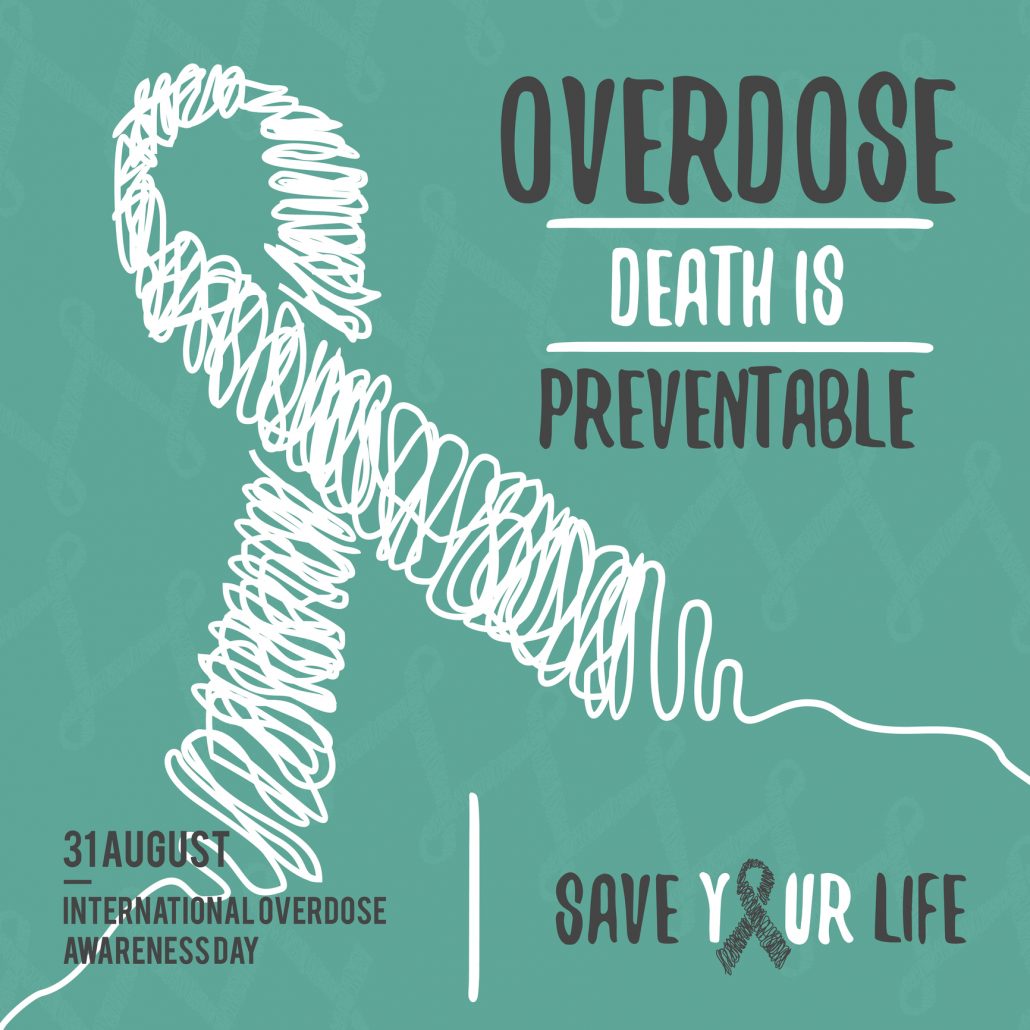
Today, August 31, marks International Overdose Awareness Day. The purpose of this day is to raise awareness and reduce the stigma of drug-related deaths. This day intends to acknowledge the pain and hardship felt by friends and family who have suffered the loss of a loved one due to a drug overdose.
International Overdose Awareness Day is a day that hopes to reduce the shame and guilt that is so often associated with addiction. The day aims to provide an opportunity for people to publicly mourn for loved ones without feeling guilt or shame.
International Overdose Awareness Day Focuses on:
- Giving communities information about fatal and non-fatal overdoses
- Sending a strong message to current and former drug users that they are valued
- Providing essential information regarding resources available in their community
- Raising a discussion about overdose prevention and drug policy
- Preventing and reducing harm by supporting evidence-based policies and practices
The Shocking Reality
Drug overdoses are the number one cause of preventable death in America. Today is a day to spread awareness to others about the disease of addiction. Addiction does not discriminate. It affects everyone.
The United States is facing a major drug epidemic.
Facts & Stats:
- The United States accounts for approximately one-quarter of the estimated number of drug-related deaths worldwide.
- Overdose deaths continue to rise, and these overdoses are driven by opioid use.
- Overdose deaths have more than tripled in the United States during the period of 1999-2015, from 16,849 to 52,404 annually.
- A recent report by STAT states the opioid epidemic is predicted to get a lot worse before it gets any better if it gets better at all.
- The third quarter of 2016, saw all drug overdose deaths peak at 19.9 cases for every 100,000 people, compared to the 16.7 in the same period last year.
- Another report found that the number of drug overdoses involving opioids between 2008-2014 was likely underestimated by 24%.
- Substances like fentanyl are close to 50 times stronger than heroin, and the increased presence of these opioid have significantly increased the number of opioid overdoses.
So what is an overdose exactly?
An overdose means taking too much of a drug or a combination of drugs for a body to tolerate. Overdose symptoms vary depending on the drug abused. Opioids, benzos, and alcohol all cause overdoses. These drugs slow down the nervous system which includes breathing and heart rate. Too much of these substances can kill or cause permanent brain damage to the user.
Signs of a drug overdose on opioids include:
- Shallow breathing or not breathing at all
- Snoring or gurgling sounds (this can mean that a person’s airway is partly blocked)
- Blue lips or fingertips
- Floppy arms and legs
- No response to stimulus
- Disorientation
- Unconsciousness.
If you think someone has overdosed, please seek help immediately. Not all overdoses happen quickly, and it can take hours for someone to die from an overdose depending on the severity. Naloxone, known by the brand name Narcan, is an overdose antidote that reverses an overdose from opioids.
Fight to Increase Access to Narcan
Narcan is now in the hands of first responders. It can be found in schools and even over-the-counter depending on the area you reside. Please look into where you can purchase and receive training.
If you know someone who has overdosed, show your support on International Overdose Awareness Day. Now, more than ever is the time to share the truth about addiction. We need to end the stigma.
How to Get Involved
There are a variety of resources available on the International Overdose Awareness Day website. The website has an area where loved ones can write and grieve anyone they have lost. These tributes are where many share the impact drug use, and overdoses have had on their family and friends. There is also an overdose awareness app that shares information on what an overdose is, and the main overdose symptoms. Please see the website for more information and to look for events in your local area.
—-
How are you going to raise awareness of International Overdose Awareness Day? The impact of addiction continues to influence the lives around us. Let’s end the stigma. If you are struggling with substance abuse, do not wait for it to progress into an overdose. We can help you get back on track. Please call toll free today. Do not wait.
CALL NOW 1-888-922-5398
by Justin Mckibben | Aug 29, 2017 | Addiction, Alcohol Addiction, Drug Abuse, Drug Policy, Inpatient Treatment, Outpatient Treatment, Professionals

With substance use disorder and addiction being such a prevalent problem in America, we think it is crucial for people to understand substance use and addiction as best as they possibly can. Part of looking at which professions have the highest rate of substance use disorder is not just about making people aware of how common it is in the workplace, but also to break the stigma of substance use disorder and show that drugs and alcohol impact people in every workplace, from entry level to executives.
Resources of Substance Use Rates
In April of 2015 the Substance Abuse and Mental Health Services Administration (SAMHSA) released a survey that combined data collected by the National Survey on Drug Use and Health (NSDUH) from every year between 2008 and 2012 to find out which professions held the highest rates of:
The NSDUH assess symptoms of dependence or abuse of alcohol or drugs through a series of questions included in their survey. The questions are based on the criteria described by the fourth edition of the Diagnostic and Statistical Manual of Mental Disorders (DSM-IV). It defines illicit drugs as:
The NSDUH uses the definition of heavy alcohol use of:
- 5 or more drinks on the same occasion
- 5 or more days in the past 30 days
The rating system includes full-time workers from age 18 up to age 64.
Which Jobs Have the Highest Rates of Substance Use Disorder?
In the following categories, number represents the percentage of works out of all those surveyed between 2008 and 2012.
Heavy Alcohol Use
- Mining workers- 5%
- Construction- 5%
- Accommodations/Food Services- 8%
- Arts/Entertainment/Recreation- 5%
- Utilities- 3%
- Wholesale trade- 2%
- Management/Administrative support/waste management- 9%
- Manufacturing- 7%
- Agriculture/forestry/fishing/hunting- 4%
- Retail trade- 0%
- Transportation and warehousing- 8%
- Other services (except public administration)- 5%
- Real estate/rental/leasing- 5%
- Information- 1%
- Professional/scientific/technical services- 7%
- Finance and insurance- 4%
- Public administration- 6%
- Educational services- 7%
- Health care and social assistance- 4%
Illicit Drug Use
The overall rate of illicit substance use among full-time workers, between the age of 18 to 64 years old, who admitted to having used within a month of taking the survey was 8.6% of workers. That may not seem like a lot, but when you consider that is a percentage of ALL professions it is actually a lot bigger than you think.
- Accommodations and food services- 1%
- Arts/Entertainment/Recreation- 7%
- Management/Administrative support/waste management- 1%
- Information- 7%
- Construction- 6%
- Other services (except public administration)- 2%
- Real estate/Rental/Leasing- 9%
- Retail trade- 3%
- Professional, scientific and technical services- 0%
- Wholesale trade- 8%
- Manufacturing- 4%
- Finance and insurance- 5%
- Utilities- 1%
- Transportation and warehousing- 9%
- Agriculture/Forestry/Fishing/Hunting- 7%
- Health care and social assistance- 5%
- Mining- 0%
- Educational services- 8%
- Public administration- 3%
Substance Use Disorder
When it comes to substance use disorder the data is collected for full-time workers from age 18 to 64 that fit the criteria for substance use disorder within a year of taking the survey. The rates of substance use disorder in different professions include:
- Accommodations and food services- 9%
- Construction- 3%
- Arts/Entertainment/Recreation- 9%
- Mining workers- 8%
- Utilities- 5%
- Management/Administrative support/waste management- 4%
- Retail trade-5%
- Agriculture/Forestry/Fishing/Hunting- 5%
- Wholesale trade- 4%
- Other services (except public administration)- 1%
- Real estate/Rental/Leasing- 0%
- Information- 8%
- Finance and insurance- 4%
- Manufacturing- 3%
- Transportation and warehousing- 1%
- Professional, scientific and technical services- 8%
- Public administration- 2%
- Health care and social assistance- 7%
- Educational services- 5%
Different Job Substance Use Trends
When looking at these rankings we can see a few professions that are consistently represented in the top five of all three categories.
NOTE: Remember the top ranks are not based on the overall number of users, but on the percentage of the total industry.
#1 in Heavy Alcohol Use– Mining Workers
121,000 mining workers that were surveyed contributed to the top ranking percent in an industry for heavy alcohol use. This number may seem small compared to the high numbers of heavy alcohol use in other professions. But think of it like this- If there are:
- 100,000 nurses and 70 of them drink heavily
- 100 miners and 70 of them drink heavily
Which would you think it a bigger issue?
#1 in Illicit Drug Use– Accommodations and food services
Accommodations and food services came in as the top rated profession for illicit drug use. According to the numbers of all those in this industry measured, approximately 1,169,000 were recorded for illicit drug use within a month of the survey.
This statistic does not change when accounting for gender or age differences. What this suggests is there may be something unique about this industry and how people end up using drugs more often working in accommodations and food services more than anywhere else.
#1 in Substance Use Disorder- Accommodations and food services
In terms of substance use disorder the accommodations and food services industry again come in at the top of the list. This time, the numbers of those surveyed shows that approximately 1,038,000 people in this profession actually fit the criteria from the DSM-IV for substance use disorder.
But unlike with illicit drug use, this rating did not stay the same when adjusting for age or gender differences. So what does that mean?
It means the higher rates of substance use disorder in the accommodation and food industry depends on the demographics employed in that industry. For example, if you look at age:
- 18-25 years old this industry is number 2
- 26-34 years old its number 1
- 35-49 years old this industry is number 3
- 50-64 years old its only number 11
So What Jobs are the Worst for Substance Use Disorder?
The big thing here is we must acknowledge that there are variables like age and gender that actually will make a big difference as to which jobs are ‘worse for substance use disorder’, while also recognizing the issue of substance use and addiction is not one size fits all. It is a different story for every individual. There is a formula that takes environment into account, but that formula is not the same for everyone.
A young woman working in the accommodations and food services industry might have a harder time staying off drugs than she might as a school teacher… or maybe not. Young men working in social assistance might find it a lot easier to stay off of drugs than one working in construction. It isn’t a guarantee, but it is a trend we can note.
So, does your job put you in an industry with higher rates of drinking, drug use or addiction? Are you more likely to have co-workers or employees that struggle with substance use than in another position?
With data like this we have to ask- does the job make an impact?
When we consider how central our jobs are to our everyday lives, we should take into account what kind of workplace we put ourselves in and what we have to offer. It is the same thing for those of use trying to work toward recovery. Substance use disorder recovery can be a lot of work, but it is definitely worth the livelihood you stand to gain from it. If you or someone you love is struggling with substance abuse or addiction, please call toll-free now.
CALL NOW 1-888-922-5398
by staff | Aug 28, 2017 | Addiction Stigma, Addiction Treatment, Drug Abuse, Drug Policy, Inpatient Treatment, Outpatient Treatment, Professionals, Stigma

(This content is being used for illustrative purposes only; any person depicted in the content is a model)
It used to be that when people thought of someone struggling with addiction or alcoholism, they pictured a hobo with patchy clothes drunk under a bridge or blacked out in an alley somewhere. Now, after years of watching our stigmas be proven wrong over and over again, we thankfully have a more realistic image.
These days it is not all the uncommon to imagine that people struggling with substance use disorders do actually have jobs. In fact, most people who struggle with addiction are middle-age, middle-class Americans who have careers or trades. What is called the ‘functioning addict’ often flies under the radar, paying the bills and taking care of their responsibilities, although maybe not as well as they imagine.
So with such a high percentage of the working population struggling with substance use disorder, how should employers be addressing addiction in the workplace? Here are 7 suggestions for the employer who might have to deal with addiction in the workplace.
1. Have a policy and enforce it
The first way for employers to address addiction in the workplace should be a given; have a policy in place for drugs and alcohol.
By establishing the workplace policies and expectations related to drugs and alcohol, having them in writing and explaining them clearly to your staff. You have already set a boundary. As an employer it is up to you to let your staff know what your expectations are and what you will and won’t tolerate.
Then, once the policy is in place, follow through with it. You are able to address substance use as a whole by implementing policies on drugs and alcohol and then committing to those guidelines.
2. Avoid enabling
By establishing a drug and alcohol policy an employer is already setting up the groundwork to help them avoid enabling. Those policies will hold not just your employees accountable, but also they will hold you accountable.
Employers, managers and supervisors should avoid enabling addiction in the workplace with actions like:
- Lending money to an addicted employee
- Covering up for the employee
- Giving the employee’s work to others
- Trying to counsel the employee without a professional
Families and loved ones are always warned about the risks of enabling someone struggling with addiction, the same goes for their bosses. If you have an employee who is struggling do not make excuses for them. It doesn’t serve the company, and it definitely doesn’t serve their best interests either.
3. Schedule a meeting
When an employer is concerned about an employee who may be struggling with drugs or alcohol try not to address it over a phone call or an email. Take a more hands-on approach, it is just good leadership. Schedule a face-to-face meeting.
Supervisors should review signs of abuse with an Employee Assistance Program (EPA) counselor before meeting with the employee.
An employer or supervisor should notify the individual of a place and time to have a meeting for discussing the employee’s performance. The supervisor should plan to hold the meeting in a private setting, so not to spread someone’s personal business around the workplace.
4. Keep it professional
It is very important that when addressing the individual you do your best to be professional without making the conversation too personal. Instead, the employer or supervisor should keep the focus of the meeting on the employee’s job performance. Make it clear that if they do not correct their performance issues they may face discipline or termination.
Even if you have a good relationship, setting boundaries is important when dealing with a work-related issue concerning drugs or alcohol. It is best to not directly address the substance abuse in question, unless they have been obviously impaired on the clock.
Then suggest the employee to the EAP. While an employee cannot be forced to use EAP services, you can strongly encourage them to take those steps.
5. Expect Resistance
Denial is a common reaction for someone confronted with their substance abuse. Remember their resistance isn’t just about their addiction in the workplace; they may still be dealing with that denial within themselves. Accepting that drugs or alcohol are a serious problem is not an easy admission to make for most people.
If the employee is denying their addiction in the workplace and refusing to seek or accept help from EAP, be ready for it. Whoever supervises this employee should continue to document any and all issues with that individual. If necessary, be prepared to follow through with disciplinary action. Stay consistent. It may help them realize how their substance use is impacting their work before it is too late.
6. Intervention
If an employee has been intoxicated or under the influence of drugs at work an employer may consider holding an intervention with colleagues, coworkers or other people close to the individual. While this may not always be appropriate, it is still an option.
Most of us are familiar with the concept. With an intervention all people involved confront the addicted employee about their drug or alcohol use, but not to punish or scrutinize. Remember the purpose of an intervention is to encourage them to seek professional help.
If choosing to stage an intervention, remember there are trained professionals who should lead a work-based intervention. An employer or supervisor should not lead the intervention.
For more information on how to stage a work-based intervention contact an EAP counselor.
7. Offer support
Now just because we have suggested being a professional doesn’t mean we are suggesting not being compassionate. You may have a close relationship with a lot of your staff. As a supervisor you may have cultivated a teamwork culture that is result driven and supportive, so support your team members.
One of the best things an employer can do to help employees with substance abuse problems is to offer comprehensive health plans that cover all stages of treatment for substance use disorders. Some of the best healthcare plans for your employees will cover:
- Educating employees on the dangers of abusing alcohol and drugs
- Addiction treatment
- Counseling
- Aftercare
If you want the people on your team to get help when they need it, also be willing to show your support when they reach out for it.
Conclusion
Of course if the employee is displaying erratic or disruptive behavior, or intoxicated in the workplace, than an employer will want to contact EAP services to alert them of the situation. After this, depending on the context you may send an employee home or place them on leave or suspension. Whatever you do, document every incident and subsequent action. Some may require drug testing. Make sure to adhere to your own policies.
At the end of the day, the employer should be motivated by the chance to help an employee struggling with addiction in the workplace to get the help they need to get better. If you want your team to be as healthy and productive as possible than you should be willing to support them in any way you can. Be sure to stay accountable and committed to your staff. They make it all possible.
Addiction does not care about your job title. Plenty of professionals experience serious substance use disorder, everyone from an intern to a CEO. Palm Healthcare offers assistance to employers and their employees when it comes to initiating the treatment process. Our addiction specialists and case managers are just one part of a compassionated staff thoroughly trained to navigate the process so that professionals seeking help can do so effectively. If you or someone you know is struggling, please call toll-free now.
CALL NOW 1-888-922-5398
by Justin Mckibben | Aug 28, 2017 | Addiction Stigma, Addiction Treatment, Detox, Drug Abuse, Drug Policy, Inpatient Treatment, Professionals

(This content is being used for illustrative purposes only; any person depicted in the content is a model)
With the nation in the midst of an opioid epidemic, it is more important than ever to understand that substance use disorder is rampant partially because it is extremely difficult for more people to overcome. Out of the estimated 22.7 million Americans who desperately need addiction treatment, only around 2.5 million of them actually received treatment in a facility. But this is largely because a lot of people are afraid to ask for help.
One of the primary reasons so many people don’t seek the help they need is because they fear how it may reflect on them in their professional life.
Fortunately, the Family and Medical Leave Act of 1993 (FMLA) provides some assistance and protections to people who need help with addiction treatment.
So how does FMLA cover addiction treatment, and how do you get the help you need?
The Family and Medical Leave Act
On February 5, 1993 then President Bill Clinton signed the bill establishing the Family and Medical Leave Act as a United States federal law. FMLA requires covered employers to provide their employees with job-protected and unpaid leave for qualified medical and family reasons. The situations that fall under this coverage include:
- Personal or family illness
- Family military leave
- Pregnancy
- Adoption
- Foster care placement of a child
FMLA is administered by the Wage and Hour Division of the United States Department of Labor. This act allows eligible employees to take up to 12 work weeks of unpaid leave during any 12-month period to attend to any of the qualifying circumstances. In order to be eligible for FMLA leave, an employee must:
- Have been at the business at least 12 months
- Work at least 1,250 hours over the past 12 months
- Work at a location where the company employs 50 or more employees within 75 miles
Four states have passed laws requiring paid family and medical leave:
- 2002- California
- 2008- New Jersey
- 2013- Rhode Island
- 2016- New York in 2016
Washington State approved paid family and medical leave in 2007, but the law has not taken effect due to a lack of funding.
In any case it is important to remember that every state has different provisions regarding FMLA. Be sure to try and reach out to your Human Resources department and a legal professional to find out what options are available in your state.
Does FMLA Cover Addiction Treatment?
If you are seeking help for substance use treatment, it is covered under FMLA. With FMLA, after returning to work from addiction treatment you must be restored to your original job or an equivalent position. In other words, financial punishment from your employer is prohibited. Therefore, the individual will receive no loss of pay or benefits and terms of the previous position will be honored. Even if you are entitled to a bonus before FMLA leave, the bonus will still apply.
ATTENTION: FMLA Does NOT Protect Everything
For one, an employee can still be terminated regardless of whether he or she is presently taking FMLA leave depending on if your employer has an established policy that:
- Is applied in a non-discriminatory manner
- Has been communicated to all employees
- Provides under certain circumstances an employee may be terminated for substance abuse
So be sure to evaluate your employers drug and alcohol policy carefully before asking for FMLA leave.
What If You’re Still Worried?
The truth is, with HIPPA laws, you can keep the reason WHY you are filing for FMLA leave private. When you apply for FMLA with your employer, you’re only need to tell them you are ill and unable to meet the conditions of your job at this time. You can say that you need to get medical treatment for your condition. That is all.
Legally, an employer cannot force you to provide any more information than you are comfortable with, although they may require a doctor’s certification that you need medical treatment. You can have FMLA cover addiction treatment as long as it is provided by a health care provider, or they can refer you to a specialized treatment provider of health care services.
In order to be protected by FMLA you must provide your employer with prior notice, or else you may still face termination.
Be aware, this does not mean that if you are using the substance and chose to take time off because of its adverse side effects, this is not covered by FMLA. In other words, absence for addiction and not for treatment does not qualify for FMLA leave.
FMLA Does NOT Cover Active Addiction
This is an important aspect to remember about the FMLA laws. While you are provided some protection in order to take leave for treatment, it does not protect you from the consequences of active addiction.
Termination due to inappropriate behavior on the job site is not protected. Neither is absenteeism due to active addiction. FMLA does not allow you to take time off because you are too drunk or too sick from withdrawals while waiting to go to treatment.
For example: If you seek help for alcohol addiction and file for FMLA leave for addiction treatment, but you miss work for a few days before leave because of heavy drinking, those few days are not protected because they don’t count as part of the FMLA leave. So be careful not to get too far ahead of yourself if you are planning on utilizing FMLA to get the much needed help.
Why It Matters
So why does FMLA cover addiction treatment at all?
One of the main reasons that substance use disorder is protected by the government is because the National Institute on Drug Abuse states:
“Drug addiction is a complex disease, and quitting usually takes more than good intentions or a strong will. Drugs change the brain in ways that make quitting hard, even for those who want to. Fortunately, researchers know more than ever about how drugs affect the brain and have found treatment that can help people recover from drug addiction and lead productive lives.”
Addiction is classified as a disease and qualifies as a serious health condition that needs healthcare treatment. This shows that the government acknowledges the difficulties faced by individuals who become addicted to drugs, and the importance of supporting them in getting better by offering some protection for their careers and financial futures.
It is important that employers honor FMLA because it allows for a healthier and more effective workplace, while also giving someone who has already become part of the business to better themselves. This all matters because you never know when a member of your staff could need support for a drug and/or alcohol problem. It isn’t always the slacker. A lot of times it is the employee of the month.
It matters because even for the deal makers, the self-starters and the top performers, sometimes we all need help.
Recovering from substance use disorder can be a lot work on its own. To have FMLA cover addiction treatment and to know that you can work on bettering yourself and get back to making a living secure in a career can make all the difference. If you or someone you love is struggling with substance abuse or addiction, please call toll-free now. We want to help.
CALL NOW 1-888-922-5398
by Justin Mckibben | Aug 25, 2017 | Carfentanil, Drug Policy, Fentanyl, Opioids, Prescription Drugs, Synthetic Drugs

Every day the opioid epidemic continues to create more suffering and struggle across the country. In every state there are people scrambling for a way out, with politicians and citizens staggering to keep up with growing death rates and the damage to their communities. With America fighting desperately to get ahead of the outbreak officials are looking to China, where most of the illicit synthetic opioids are coming from, for some help putting an end to the flow of the fentanyl outbreak.
The American Fentanyl Outbreak
Subsequently, the continual rise of illicit and lethal fentanyl being blended into the underground market of opioids has instigated higher than ever death tolls. Government officials found themselves in increasingly desperate times last summer when the DEA warned the public that counterfeit pill pressers were distributing the potent fentanyl drug disguised as prescription painkillers. This cost countless users unaware of the drugs presence or its danger their lives, and continues to do so today.
At the time, the agency said that fentanyl disguised as prescription pills has become a consistent trend, not a series of isolated incidents or freak accidents.
Drug dealers could reportedly make millions from selling pills. But many decided they could easily boost their profits by making pills at home. All they would need were:
- Pill press
- Dyes
- Stamps
- Binding agents
With enterprising ingenuity drug dealers could easily make fentanyl resemble other less potent and more popular drugs of abuse, such as the prescription opioid oxycodone or even anti-anxiety pills.
Once this drug became a go-to ingredient for dealers to cut their product, be it heroin or prescription pills, the fentanyl outbreak spread like wildfire. There is no telling as of now how many overdoses alone have been caused by fentanyl, not to mention how many deaths.
China Market for Synthetic Opioids
China has been singled out as the main source of synthetic drugs like fentanyl. Through the internet drug dealers can purchase fentanyl from websites hosted in China and have shipments sent to the United States, making the same package handlers that deliver your mail in the morning secret drug traffickers.
According to data from US Customs and Border Protection (CBP), seizures of fentanyl arriving by mail have increased drastically:
- In 2011, 0.09 kilograms of fentanyl were seized by mail
- In 2016 is rose to 37 kilograms
America definitely knows what kind of damage the dark web drug trade can do. We have seen it right here with Dread Pirate Robets and the Silk Road story. Having to try and disrupt the flow of drugs coming from another country puts officials in a tough spot.
China and U.S. Team Up
Officials in the US are bracing for the threat of what they call the “next wave” of the opioid crisis. Experts looking at the current trend believe with conviction that things will inevitably get worse before they get better. However, not everyone is as concerned about the future of the fentanyl outbreak.
Team U.S.A.
Enter Tom Price, Secretary of the Department of Health and Human Services, who insists he is optimistic about the China’s efforts to team up with the United States in the fight against the fentanyl outbreak.
Price knows that both the U.S. and China are struggling to keep up with what he calls the-
“- rapidly changing ability of individuals to formulate new chemical makeups that are a different drug and that aren’t in the controlled arena.”
Regarding synthetic drugs this is the same hurdle law enforcement and government officials have come up against for years. Manufacturers continually rename products and slightly alter the chemical make-up in order to slip through loop-holes of legality.
For example, the drug U-47700 (also known as “Pink”) is designed to mimic the effects of controlled substances. However, these counterfeit chemists twist the chemical structure of the compound. This makes it more possible for illegal drug makers to skirt drug laws and drug tests.
The same thing has happened over and over with synthetic marijuana products in America, like K2 and Spice.
Fentanyl has become more relevant than ever.
- In June the DEA reported a seizure of 44.14 kilograms (which comes out to 14 million doses) of fentanyl in San Diego County, California
- Weeks ago Arizona law enforcement seized 30,000 fentanyl pills that were made to look like oxycodone
Team China
Chinese officials have also stated that facing the fentanyl outbreak they have dealt with many difficulties. This past June, Yu Haibin of China’s narcotics control agency stated:
“My feeling is that it’s just like a race and I will never catch up with the criminals,”
Shortly afterwards on the 1st of July, China implemented a ban on four synthetic opioids, including:
- U-47700
- MT-45
- PMMA
- 4,4’-DMAR
The head of the US Department of Health and Human Services stated,
“When a particular drug is identified as being a problem, China has been an incredible partner in helping to stop the production of drugs like fentanyl in China,”
Price says he is also confident that China will play an important part in fighting the rise of carfentanil, a drug so potent it is used as an elephant tranquilizer.
Both nations have found it hard to keep up with everything the illicit drug makers are up to. If anything they can agree it is a very real problem and it must be taken seriously. While the opioid epidemic in America has yet to show any sign of slowing down, some officials are optimistic that at the very least we may soon see some decline in the more deadly elements that have been slipped into the market.
The bad batches drug users run the risk of getting has increased exponentially over time. Plenty have already died as a result. Thankfully, the crisis has brought together communities, political rivals and even foreign countries to fight the spreading threat together. Beyond prevention, a vital part of fighting this fight is effective and long lasting recovery. If you or someone you love is struggling, please call toll-free now.
CALL NOW 1-888-922-5398


