by Justin Mckibben | Jan 22, 2018 | Donald Trump, Drug Abuse, Drug Policy, Law Enforcement, News, War on Drugs

For the last few years federal politicians, local officials, and addiction advocates have spoken a great deal about the critical condition of the opioid crisis in America. Just a few months ago President Trump declared the opioid epidemic a public health emergency, and his administration had created a special White House Opioid Commission to do extensive research and community outreach to try and better understand the problem and offer possible solutions.
Now recent reports state that President Donald Trump is actually planning to cut the budget of the Office of National Drug Control Policy.
The Office of National Drug Control Policy (ONDCP) just happens to be the top office responsible for coordinating the federal response to the opioid crisis. This plan is being noted as his administration’s second attempt to gut the ONDCP, so how would this change the current system?
What is the Plan?
So what does this mean? If President Trump were to go forward with this proposal, it would shift the office’s two main grant programs. These are:
- The High Intensity Drug Trafficking Areas grant
- The Drug Free Communities Act
According to POLITICO, multiple sources in the administration and others working with the government on the opioid crisis said those resources would then be given respectively to:
- The Justice Department
- Health and Human Services Department
According to a document from the Office of Management and Budget, this proposal would cut 95% of the ONDCP’s budget. Officials in President Trumps administration say that the approximately $340 million in grants will be administered by larger agencies. But the ONDCP will still serve as the White House’s drug policy shop. But the ONDCP will still be the main resource for President Trump for drug policy.
According to the proposal, President Trump and his administration believe these programs are just duplicates of other initiatives. This cut would also result in the ONDCP losing up to 33 employees. Skeptics say taking these resources leaves the policy office with little power or purpose.
Some Support President Trump Plan
Not everyone believes this is a bad idea. Some advocacy organizations are cautiously optimistic that changes to the ONDCP could actually end up being a good thing. One of them is the Drug Policy Alliance. They believe the opioid epidemic has continued to get worse under the ONDCP, and that maybe a shift in perspective is necessary to make a difference.
Grant Smith, deputy director of national affairs for the Drug Policy Alliance states,
“The reality is that ONDCP is an agency in dire need of reform,”
Smith believes that the particular grant programs mentioned previously “are a phenomenal waste of money that contribute to the incarceration and stigmatization of drug users.”
They are also afraid President Trump would use a more powerful Drug Czar to aggressively treat drug abuse as a criminal justice issue rather than as a public health problem. If so, it might be a good idea to take the power of these grants out of the executive branch’s control.
Some believe the ONDCP won’t be particularly helpful for the future of drug policy due to some of the organizations part positions, such as denying medical use of marijuana or encouraging the expansion of workplace drug testing. There have been stories questioning the 24-year-old deputy chief of staff President Trump appointed to head the ONDCP. Some see having an individual with no drug policy experience running this important agency as an indication of inconsistnecy.
Supporters of moving the grants and cutting the ONDCP say it would decrease overlap since the DOJ already works on drug trafficking and HHS also has substance use prevention. This may not be the worst assumption either, considering that President Trump and his administration have touted a law-and-order approach that has many concerned about further stigmatizing and punishing those in need of help.
An OMB spokesperson stated,
“DOJ and HHS are both major grant management organizations that can look holistically at allocations across law enforcement and drug prevention and treatment resources.”
So some are hopeful it could just put the grants under a different roof. But critics say these programs are working, and it is hazardous to try and dramatically restructure them at such a desperate time.
Other Republicans Rebuke the Plan
Health policy experts, lawmakers, and even fellow Republicans are unhappy with this latest proposal. Some even say this is just one example of a series of actions showing that President Trump’s administration isn’t serious about addressing the opioid epidemic.
Last year the White House Office of Management and Budget proposed completely cutting these grants. However, that proposal was met with intense resistance from both Republican and Democratic lawmakers. Now, health experts and officials from both sides are speaking out against this plan. Regina LaBelle, who served as ONDCP Chief of Staff during the Obama administration, states:
“I’m baffled at the idea of cutting the office or reducing it significantly and taking away its programs in the middle of an epidemic,”
Many are already expecting lawmakers to push back again against this plan from President Trump.
Republican Senator Shelley Moore Capito from West Virginia, a state ravaged by opioids, told POLITICO she will “resist that move”. Capito also says she believes the grants should be kept at ONDCP. This would keep them within the executive branch and under the president’s purview.
Republican Senator Rob Portman from Ohio, another state that has been hit hard by the opioid epidemic, said he also plans to fight back against the proposed cuts. Portman says the anti-drug programs the administration wants to cut have done an immense amount of good in Ohio.
Going Against Opioid Commission
President Trump established the White House Opioid Commission to make recommendations on addressing the opioid crisis. Now even advisors on this panel are saying this new move goes against the opioid commission’s recommendations.
Former Representative Patrick Kennedy, a member of the opioid advisory commission, said the panel advised President Trump to fortify the ONDCP, not defund it. The opioid commission had also endorsed both of these grants as crucial to overall response efforts. Kennedy went on to say,
“It guts the two main purposes of ONDCP… It really undermines the mission.”
So there are those that think changing the ONDCP could be a necessary sacrifice to make progress. However, others are concerned that it is not the right move, and definitely not the right time.
We should note that the proposal from President Trump is subject to change. There is still more time to learn about how moving money from the Office of National Drug Control Policy could impact the governments work against the opioid crisis. Could this change refine the process of accessing these grants? Or could it cripple an important agency for fighting addiction during of one of the country’s worst drug outbreaks? Hopefully, these changes can be managed in a way that creates new opportunities instead of removing them.
Providing support and life-saving resources is vital to overcoming addiction. Every day people are struggling with drug or alcohol use disorders, and some of them never find the help they need. Safe and effective addiction treatment is one of the best tools we have. If you or someone you love is struggling, please call toll-free now. We want to help.
CALL NOW 1-888-922-5398
by Justin Mckibben | Jan 19, 2018 | Anxiety Disorder, Coping Skills, Dual Diagnosis, Mental Health, News, Opioids, Prescription Drugs, Suicide
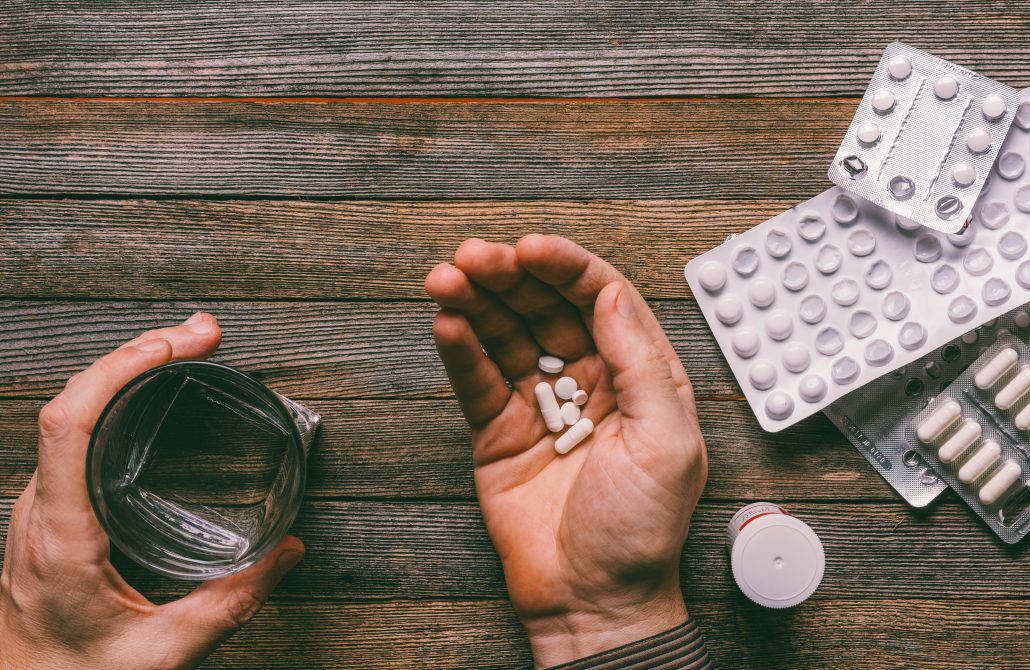
Over the last 15 years, the suicide rate has climbed by an estimated 32%. While the overdose deaths in relation to the opioid crisis have become a constant issue around the country, some researchers suggest that the real suicide rates are even higher, but some of them are being misclassified as overdoses.
So, are more people dying due to drug abuse, or are more people taking their own lives using powerful street drugs and prescription narcotics?
Studying Suicide and Drugs
The idea that many of the deaths recorded as opioid overdoses may have been suicides, according to the researchers, is due to a significant gap between suicide rates and intoxication mortality rates.
A study from the Luskin School of Public Affairs at the University of California, Los Angeles, was published in the journal PLOS One. This study states that both suicide and drug intoxication death rates in the United States have risen over a period of 15 years. Researchers compiled data from the Center for Disease Control and Prevention (CDC) to show:
- 2000- The suicide rate was 10.40 per 100,000 people
- 2015- Suicide rate rose to 13.75 deaths per 100,000 people
- 2000- Drug intoxication mortality rate for those over the age of 15 was 7.81 deaths per 100,000
- 2015- Drug intoxication death rate for those over the age of 15 rose to 20.07 per 100,000 in 2015
This means that the drug intoxication death rate rose by 257% in those 15 years, while suicide rates only rose by 32%. While 32% is still a devastating number when it comes to such a tragic circumstance, there is still a huge difference between 32% and 257%. These researchers believe this major difference in the reports of mortality rates suggests a lack of suicide reporting.
Difficulties in Death Investigation
One of the big problems, according to the study’s author Mark Kaplan, is resources. Kaplan is a professor of social welfare at UCLA, and he stated to local news sources,
“Unfortunately, part of the problem is due to serious under-resourcing of state and local death investigation systems throughout most of the U.S.
“Many of these deaths were probably suicides, yet reported as accidental self-poisoning rather than intentional self-harm, particularly among the middle-aged.”
The study by Kaplan and his colleagues further explains that when it comes to suicide by overdose, things like an individual’s psychiatric history or the presence of a suicide note are crucial to helping professionals identify a death as a suicide.
“A suicide note, prior suicide attempt or affective disorder was documented in less than one-third of suicides and one-quarter of undetermined deaths,”
“Our incorporation of undetermined deaths, as well as registered suicides, not only provided a window on the nature of suicide misclassification within the undetermined death category but within the accident category—as a much larger reservoir for obscuring drug intoxication suicides.”
So by acknowledging that there is not always an obvious indication that a death is a suicide, even in cases that are classified in suicide, the researchers believe that many deaths that involved drugs have most likely been categorized as overdoses instead of making a deeper inquiry into the circumstances surrounding an individual’s death.
Opioids Causing Ambiguity
With the opioid crisis in America, it has become even more difficult to measure the suicide rates. And that isn’t just this research teams opinion either.
In 2015, the CDC hosted a meeting to address the challenges presented for medical examiners and coroners across the country. The primary focus was concerning cases of fatal intoxication due to opioids and other drugs. The summary of this meeting concluded that drug intoxication deaths may be among the most difficult to determine regarding the manner of death. The summary notes that reasons for such difficulty in having a more accurate manner of death include:
- Potentially equivocal evidence
- Intent to die
- Overlapping demographic groups affected
- Overlapping premorbid risk factors (e.g., substance abuse, mental health problems).
Opioid addiction, much like any other form of substance use disorder, is often closely connected to other issues, including anxiety, trauma and mental health disorders. Some individuals living with mental health conditions who abuse opioids may be self-medicating and accidentally overdose. But others may be suffering so severely, with conditions like depressive disorders or bipolar disorder, that they ultimately take their own lives intentionally with the powerful drugs. With opioid abuse being so widespread and devastating, the line between the two has begun to blur.
Both studies mentioned clearly indicate in order to truly comprehend an accurate number of suicides by overdose, more research is needed. Both also admit that the number may never be exact.
Even though we will probably never have a definitive answer, the question is still important to ask. By knowing whether opioid deaths are caused by accidents or intentional we can develop better strategies to provide education and prevention.
This is also why mental health should always be a priority when it comes to addiction treatment.
Substance use disorder and suicide are both connected to mental health and personal wellness. Too often they both lead to avoidable tragedies. Therefore, mental health and wellness should be a priority for addiction treatment. If you or someone you love is struggling with substance abuse or addiction, please call toll-free now.
CALL NOW 1-888-922-5398
by Justin Mckibben | Jan 9, 2018 | Addiction Stigma, Drug Abuse, Opioids, Prescription Drugs, Professionals, Stigma

(This content is being used for illustrative purposes only; any person depicted in the content is a model)
The opioid crisis has affected every community in America. Opioids affect rural working class people, those in the inner city and suburbs, or even the wealthy and well-to-do professionals. While drug abuse in business has been highlighted in blockbuster films like the Wolf of Wall Street, the current reality is not far from it. According to addiction experts, substance use disorder is making a sobering impact on the financial industry.
This comes from not just an upscale partying lifestyle, but also from drugs used to manage performance and stress, along with physical pain. According to addiction experts, the financial industry itself is actively turning a blind eye to the issues concerning opioid abuse on Wall Street because money is still the priority, and stigma still gets in the way.
Opioids on Wall Street: White-Collar Confessions
As it stands there is no comprehensive research that takes a detailed look at opioid abuse in Wall Street among finance professionals. So we can’t exactly show the numbers to prove it’s prevalence. However, what we see consistently is a dramatic increase in addiction and overdose rates all over the nation in recent years.
Luckily, professionals from this demographic are beginning to speak out in hopes of progressive change.
One such individual is Trey Laird, a former Wall Street trader, who recently spoke to CNBC about his six-year opioid addiction. During the conversation Laird reiterates the critical understanding that substance use disorder can reach anyone, saying:
“Addiction pervades every single socioeconomic demographic that there is. Every industry, every race, men, women. It doesn’t care who you are,”
After getting clean himself, Laird went on to open a sober living community and says he hopes to specifically serve the Wall Street and white collar demographic.
According to Laird, there has been more talk about opioid addiction among people in higher socioeconomic brackets, but there is still much work that needs to be done. He acknowledges that increasing awareness is doing a great deal, but that the problem is also at an increase. Wall Street may finally be talking about it, but how many professionals will get the help they truly need?
Opioids on Wall Street: Stocks and Stigma
One of the biggest obstacles facing white-collar workers like those in Wall Street is the engrained stigma still attached to addiction. Even with all the shifts in our culture toward a better understanding of substance use and the compassion for those struggling, professionals still have this seemingly unbearable hurdle in front of them.
Truthfully, stigma is something that prevents most people from getting help. Professionals will often be too afraid of losing their jobs to admit they need help. Many in the world of Wall Street and finance may have no information on how to seek out treatment while adhering to their professional boards’ guidelines and business practices.
With white-collar workers, this may be an especially difficult thing because the idea of addiction is so often attached to stereotypes of the unemployable, the homeless, the unreliable and unstable that their high-earning careers might minimize the impact drugs have on their lives. Wall Street stockbrokers and traders might not see themselves as having a problem as long as they can function, which brings in the idea of the “functioning addict.”
Opioids on Wall Street: Function Addiction is Still Addiction
Many white-collar workers who struggle with drugs or alcohol may consider themselves a “functioning addict”, meaning they are less likely see their actions as a problem because they are able to maintain their professional or even personal lives. To make matters worse, frequently the people around someone who is professionally successful will not believe the addiction is real. They may admit that you’ve been careless or destructive in some respects, but will ultimately minimize it due to your financial stability.
As long as you’re making money and paying the bills how could you possibly be “that bad?”
Well, because “functioning addiction” is still an addiction.
Addiction isn’t about whether or not you are able to hold down a steady income. It does not depend on whether or not other people recognize that you have a problem or your competence with your profession. While addiction can and will have an impact on these things, it isn’t always as black and white as most people like to pretend.
Notice how earlier we said you may “maintain” other areas of your life? Well, we mean to say that you can get by for a while, but eventually, the effects of addiction will catch up with you. It could be in the form of serious health consequences or other devastating circumstances. It could take days, months or even years, but it will leave a mark.
Sadly, “functioning addicts” are also far less likely to get the help they desperately need.
Opioids on Wall Street: It Could Be You
While you might be able to keep your addiction secret, in the beginning, things will eventually get worse. Eventually, your addiction will become unmanageable.
If you think you might fit the “functioning addiction” criteria, look at the following questions and answer them honestly.
- Do you often think about using drugs or drinking?
- Do you find it hard to stop after you start drinking or using?
- Are you scheduling your time around drinking or using drugs?
- Have you tried to stop before, but found that you were unable to?
- Do you drink or use drugs first thing in the morning?
- Are you drinking or using drugs at work?
- Do you hide your drug use or drinking?
- Have you done something risky, like driven drunk?
- Do you worry about your drug use or drinking?
If you find you are answering “yes” more than “no” then you should seriously consider speaking with a medical or addiction professional about your drug use or drinking.
The opioid crisis is nothing to be ignored. Despite all that we think we have learned about addiction too many professionals don’t get the help they need. No one is exempt from the destruction of addiction. Opioids don’t care what street you work on, Wall Street or not, they can ruin your life all the same. If you or someone you love is struggling, please call toll-free now. We want to help.
CALL NOW 1-888-922-5398
by Justin Mckibben | Jan 8, 2018 | Donald Trump, Drug Policy, Law Enforcement, Marijuana, News

Last week we reported on the story of President Trump’s Attorney General Jeff Sessions rescinding a marijuana memo from the Obama administration that established a policy of refraining from federal interference with state laws concerning marijuana use. Once the announcement hit the internet, people from all sides of the argument began chiming in with either praise for the “rule of law” stance of this administration, or adamant opposition of this new policy that essentially reignites the “war on weed” in America.
This announcement came only days after the state of California had officially enacted the legalization of recreational marijuana. Needless to say, the conversation has not yet been dismissed. One voice came from the American Civil Liberties Union (ACLU).
American Civil Liberties Union VS Sessions
For some background, the American Civil Liberties Union is a nonpartisan, nonprofit organization with a stated mission:
“to defend and preserve the individual rights and liberties guaranteed to every person in this country by the Constitution and laws of the United States.”
The ACLU has over one million members and works through litigation and lobbying while providing legal assistance in cases when it considers civil liberties to be at risk.
In response to the news of Jeff Sessions rescinding the Obama-era policy for a hands-off approach to legal marijuana states, the deputy director of the American Civil Liberties Union, Jesselyn McCurdy stated:
“Criminalizing marijuana may be a priority for Attorney General Sessions—who has spent decades using bad science to push his own regressive agenda—but it is not a priority for the American people, 52 percent of whom support legalization. Rescinding this guidance is yet another example of how this administration’s ‘law and order’ philosophy is deeply out of touch with most Americans. With today’s decision, the Department of Justice is essentially telling at least six states and the District of Columbia that they are not entitled to govern as they see fit when it comes to drug policy. For politicians who purport to believe in ‘small government’ and states’ rights, this is a wildly incongruous move.”
Later on in the statement, McCurdy concludes,
“The War on Marijuana, like the War on Drugs, has failed by almost every measure—with the exception of successfully destroying communities of color. Marijuana criminalization negatively impacts public housing and student financial aid eligibility, employment opportunities, child custody decisions, and immigration status. Today’s decision furthers entrenches the country in racially biased, fiscally irresponsible, and morally wrong drug policy—and the ACLU will continue to fight it.”
And the ACLU is most definitely not alone in this mindset. Both Democrats and Republicans are openly criticizing this shift, with some like Senator Cory Gardner promising to oppose it at every opportunity.
Compassion Not Punishment
The backlash from this most recent decision from Jeff Sessions has come from all directions. Pretty much every publication and news outlet has covered this controversial move. As of now, there is no definitive answer as to how this policy change will impact those states where medical marijuana use is legal, or how it will impact the recreational marijuana industry.
But despite the fact that marijuana has become increasingly supported for medicinal use across the country, with many advocating for recreational use as well, the reality remains that drugs can still be abused, regardless of their legal status.
According to the National Institute on Drug Abuse (NIDA), marijuana use can lead to an individual developing problems known as marijuana use disorder. Data from recent studies research suggests:
- 30% of those who use marijuana may have some degree of marijuana use disorder
- Use of marijuana before age 18 makes someone 4-7 times more likely to develop marijuana use disorder
The NIDA also states that marijuana dependence occurs when the brain adapts to large amounts of the drug by reducing production of and sensitivity to its own endocannabinoid neurotransmitters. In 2015:
- About 4.0 million people in the United States met the diagnostic criteria for a marijuana use disorder
- Only 138,000 voluntarily sought treatment for their marijuana use
So while some may still experience difficulties due to their use of marijuana, the focus should still remain on support and assistance through compassionate care and treatment, not punishment. Regardless of whether you support the decision of the attorney general, or if you stand with the American Civil Liberties Union and other legalization advocates, you can support compassionate and comprehensive treatment for those who do struggle with substance use disorder.
Marijuana use disorder is a real condition for some people. If you or someone you love is struggling with a substance use disorder, such as chemical dependency or addiction, please call toll-free now to speak with a specialist today. We want to help!
CALL NOW 1-888-922-5398
by Justin Mckibben | Jan 4, 2018 | Addiction Stigma, Donald Trump, Drug Abuse, Drug Policy, Law Enforcement, Marijuana, News
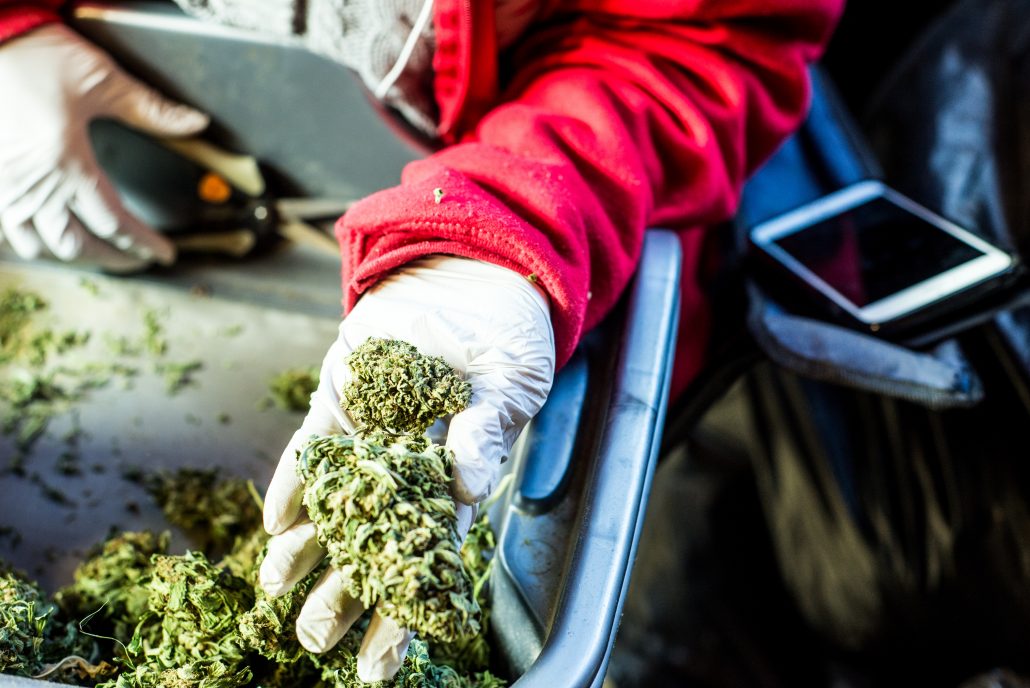
Before the hype around recreational use of marijuana in California could even begin to dwindle, new reports are stating that President Trump’s Attorney General Jeff Sessions is planning to begin a federal crackdown on marijuana laws.
Jeff Sessions is set to announce today that he is rescinding memos sent out from the Obama administration that established a policy of non-interference with state laws concerning marijuana use. For some time now there have been several stories highlighting Jeff Sessions’ disagreement with allowing states to decide their own laws concerning medical or recreational marijuana use. Some sources indicate he has been planning a new strategy that will actually bring federal law to a head against state marijuana policies.
UPDATE: According to The Washington Post, Jeff Sessions notes in a memo sent to U.S. attorneys that federal law prohibits the possession and sale of marijuana. Sessions undid four previous Obama administration memos that advised against bringing prosecutions in states where marijuana was legalized to use for recreational or medical purposes. Sessions said prosecutors should use their own discretion in weighing whether charges were appropriate.
So what does all this mean for marijuana states?
The Obama Era Policy
The memo essentially describing the Obama-era policy through the Justice Department is known as the “Cole Memo”. It was named after then-Deputy Attorney General Jim Cole in 2013.
The “Cole Memo” outlined new priorities for federal prosecutors in states legalized use of marijuana. These shifts in policy represented a major change from the strict enforcement approach of past administrations to an attitude of non-interference. Back in 2014 U.S. Congress approved legislation preventing the DEA from carrying out any raids, arrest, or prosecutions of patients using medical marijuana. Congress also blocked law enforcement agencies under the Justice Department from consuming federal dollars in efforts to enforce federal marijuana laws in states that have legalized the use of medicinal marijuana. Under President Barack Obama, the Department of Justice did not pursue action against states that legalized recreational marijuana use. In 2015 there was a bipartisan effort in Congress to block the DEA from using federal funding for aggressively pursuing marijuana in the states where it was legalized.
The Obama era outline essentially allowed states to decide whether or not to legalize marijuana and to what extent. The federal prosecutors would not intervene as long as the state regulations did not threaten other federal priorities. So the distribution of marijuana to minors and cartels was still prohibited.
So with this announcement, many are wondering if Jeff Sessions will be working to undo other changes as well.
The Jeff Sessions Reversal
At the time of writing this article, whether or not Jeff Sessions will offer up a new strategy for dealing with marijuana-friendly states or not has yet to be seen. At this time the great concern is how this announcement may end up putting state and federal law in conflict, and what to expect out of enforcement from the federal government.
But many say this is a frustrating development, especially considering that President Trump has said in the past that he would not allow his attorney general to change the current policy, telling a reporter that,
“I’m a states person. I think it should be up to the states, absolutely.”
If we go back to February of 2017, Sean Spicer suggested in a press conference that the Trump administration and the Justice Department already had the intentions to no longer turn a blind eye to states with their own legal marijuana laws. At the time Spicer said the Trump administration would be “taking action” against these states. Contradicting all the talk of states’ rights and rolling back federal enforcement.
Many are wondering if President Trump was consulted about this decision, or if he has been made aware of the implications of this change. Especially since it goes against his original campaign promise to leave marijuana laws to the states.
This move would lay the groundwork for the federal government to begin a crackdown on the rapidly increasing marijuana industry all across the country. If these reports are confirmed this afternoon with no new innovations in their place, this move could have a drastic impact on the economics around the marijuana industry.
Sessions Track Record
However, this should all come as no surprise, since Jeff Sessions has repeatedly spoken out against decriminalization of marijuana and a return to the failed tactics of the War on Drugs at every turn.
In fact, a key adviser on marijuana policy to Jeff Sessions, Dr. Robert DuPont, believes drug testing should be a routine part of primary-care medicine. He has gone as far to suggest that primary-care physicians should be given the power to force some patients into treatment against their will. DuPont also suggests the following treatment to subject individuals to monitoring and random drug tests for up to 5 years.
Dr. Robert DuPont was among a small group of drug-policy experts involved last month in a closed-door meeting with Sessions to discuss federal options for dealing with the rapid liberalization of state marijuana laws.
The Marijuana States
Eight states and the District of Columbia have laws allowing for personal consumption of marijuana for recreational purposes. 28 states and the District of Columbia have legalized marijuana for medical use. Even more states recently have begun to talk about changes in their own policies. California voters pushed through legislation to legalize recreational use back in November of 2017, and with the start of the New Year, those laws went into effect. Now, not even a week later, the fate of this state’s new policy is hanging in the balance.
Needless to say, marijuana advocates all over the nation are troubled by this news. According to NORML Political Director Justin Strekal,
“If the Trump administration goes through with a crackdown on states that have legalized marijuana, they will be taking billions of dollars away from regulated, state-sanctioned businesses and putting that money back into the hands of drug cartels,”
But some states are not ready to give up on their marijuana laws. Other Republicans, such as Colorado Senator Cory Gardner, are avidly speaking out in opposition to the recent decision by Jeff Sessions. Senator Gardner has vowed to prevent any new appointees for the Department of Justice from being confirmed until this reversal has been reversed.
Hopefully, when Jeff Sessions makes his official announcement, we will have some more clarity on how the federal government plans to address marijuana use going forward.
Marijuana Abuse
While the legal status of marijuana may soon be up for a serious debate, the fact remains that it is still possible to abuse marijuana. Whether a drug is legal or not, there are still risks. There are already plenty of legal drugs that cost thousands of lives every year. When substance use becomes habitual it can be extremely harmful to an individual who struggles with substance use disorder. Even though marijuana is not claiming lives like the opioid epidemic, for some it has adverse effects on the quality of life.
While marijuana is not considered to be as dangerous as other illicit drugs, such as heroin or methamphetamines, it can cause dependence for people who use the drug. The typical consensus that marijuana is not as physically destructive and addictive as other “harder” drugs doesn’t change the fact that psychiatrists also believe the psychological impacts of a substance do matter when talking about an addiction. These effects can be just as detrimental.
Marijuana addiction treatment offers a safe and secure environment while providing a variety of therapeutic opportunities to help develop a healthy lifestyle without relying on the use of marijuana or other drugs.
There still needs to be resources available to help people who suffer from abuse. Supporting addiction recovery means breaking the stigma and offering holistic and effective solutions. Palm Healthcare Company is here to help. If you or someone you love is struggling, please call toll-free now.
CALL NOW 1-888-922-5398
by Justin Mckibben | Jan 3, 2018 | Addiction, Addiction Treatment, Donald Trump, Drug Abuse, Drug Policy, Dual Diagnosis, Family, Fentanyl, Inpatient Treatment, Law Enforcement, Mental Health, News, PAARI, Prescription Drugs, Professionals, Recovery, Sobriety, Stigma, Synthetic Drugs

With the beginning of the new year, Palm Healthcare Company is looking forward to helping spread more exciting stories of experience, strength, and hope while also sharing important news stories and exciting new developments that relate to the world of addiction recovery and substance use disorder treatment. As we commit ourselves to another year of fighting alongside thousands of people working toward a better future, we would also like to take some time looking back on all the big moments in 2017 that we shared with our Palm Healthcare Company Blog.
-
President Trump Declares Public Health Emergency: What’s the Plan?

October of 2017, President Donald Trump made an announcement declaring the opioid crisis in America as a Public Health Emergency. This highly anticipated declaration was delivered in a way slightly different than many had expected, noting the technical differences between a Public Health Emergency and a National Emergency.
Many advocates were concerned that this announcement did not provide a concrete foundation for the necessary federal funding and did not initiate much-needed action, but others we assured that this means the Trump administration was taking this issue very seriously. In this article, we took a look at what this announcement did actually accomplish, and what it failed to deliver on.
-
Racketeering for Fentanyl: Opioid Maker Insys Founder Arrested for Bribes

A huge development to another story came in late 2017 when John Kapoor, former CEO of Insys Therapeutics and founding father of one of the most prominent opioid manufacturers in the country, was arrested and charged with conspiring to push the signature drug of Insys Therapeutics, a Fentanyl spray called Subsys, for unacceptable uses through bribes and kickbacks.
The Palm Healthcare Company blog notes how back in 2016 the Justice Department reported to be charging 6 former executives and sales-managers of Insys Therapeutics for conspiring to defraud health insurers.
When looking at the details in this story, it has intensified the conversation about Big Pharma involvement in the epidemic
-
Can Kellyanne Conway Really Compete with the Opioid Crisis?

Not too long after President Trump’s declaration of a Public Health Emergency pertaining to the opioid crisis, Kellyanne Conway was announced as leading the charge on the White House’s efforts for addressing the opioid epidemic.
This Palm Healthcare Company blog saw a lot of comments!
While some find that having a high-profile figure at the head of the efforts gives validity to the White House’s commitment to solving the opioid issue in America, many others are speaking out in frustration. Those in opposition to this appointment say that while she may be useful as a counselor or pollster, she has no experience of expertise when it comes to drug abuse, addiction or substance use disorder treatment.
Thus far the one thing both Kellyanne and the President seem adamant about is a media campaign, but advocates are still afraid this is more “Just Say No” and not enough support for effective resources.
-
After Las Vegas Shooting: PTSD and Mental Health Must be Priority

In early October of 2016, the nation was shaken to its core when Las Vegas had one of the deadliest shootings in modern American history. This horrific tragedy flooded newsrooms and live viral footage with the country watching in shock as a gunman killed 58 people and injured 546 more at an outdoor music festival.
In the aftermath of this terrible and heartbreaking incident, our Palm Healthcare Company blog took a look at how such traumatic experiences impact people, and about the importance of those who struggle with Post-traumatic Stress Disorder (PTSD) getting proper diagnosis and care.
At a time when so many people are self-medicating with dangerous or even deadly narcotics, it is important to care for those most vulnerable, especially after such an earth-shattering experience.
-
Police Helping Addicts into Treatment is a Growing Trend Saving Lives

In August of 2017, we took a look back at several programs that had come to light all over the country based on Police Departments working with their communities to offer drug users the chance to get help with addiction treatment instead of being arrested and charged.
The pioneering program came from Gloucester Police Department in Massachusetts back in 2015. This program allowed users to ask police for help, and told addicts they could submit drugs to local law enforcement without fear of being arrested if they were willing to seek treatment. A 2016 study showed that this program was experiencing some impressive success.
Police departments in a number of other states were inspired by this and took up similar programs as a way to help their communities fight the addiction outbreak.
The Palm Healthcare Company blog took a close look at a handful of these programs to celebrate their compassion and success.
-
Sterilized for Cash: This Woman Pays Drug Addicts to Not Have Kids

Pregnant lady’s stomach and her hand holding dollar over black background
When we posted this Palm Healthcare Company blog we saw a great deal of debate in the comments on our Facebook. For over 20 years, Barbara Harris has driven across the country using cash to ask addicted women to give up their fertility. To date, the organization has paid over 7,000 people.
The controversy around such a powerful story had some people showing a great deal of support for someone giving addicted women an incentive to not get pregnant, while other people were appalled and angered that someone would entice desperate women who are not in the right mindset to make such dramatic and life-altering decisions with their bodies.
-
What Chester Bennington Taught Us about Addiction and Depression

(This content is being used for illustrative purposes only; any person depicted in the content is a model)
In July of 2017, the world lost a great artist and inspirational musician with the death of Chester Bennington, the lead singer of the band Linkin Park.
Initial reports were that Bennington had died from suicide by hanging, with later reports indicating that Chester had been drinking at the time of his death. The vocalist had been open about his struggles with depression and drug addiction over the years, and in this article, we took a look at just how much Chester Bennington could teach us about the devastation of depression and addiction.
-
Dear Media, Thank You for Bad Press

South Florida has been under a great deal of scrutiny recently, specifically concerning the issues facing the recovery community such as unethical and illegitimate sober home operators in the area. In June, there was a Megyn Kelly NBC News Investigation which focused in on Delray Beach, Florida and some of the big problems concerning unscrupulous activities from corrupt individuals exploiting drug addicts in need of help.
We took this time to look over some of the bigger stories concerning the illicit activities in South Florida with the recovery industry while showing support and gratitude for all those working together to try and put an end to operators who are taking advantage of people in need of help.
-
Palm Healthcare Measures Up to Addiction Treatment Outline for EAP

In September of 2017, we took a very close look at an article written by the Journal of Employee Assistance that was designed to help Employee Assistance Programs (EAPs) find the right kind of addiction treatment programs to recommend to their clients.
The outline given for EAPs to find effective and reliable addiction treatment options gives a list of things to look for. The Palm Healthcare Company blog was happy to show off just how all of our facilities measure up to these crucial standards.
Keep an Eye Out for More
Palm Healthcare Company continues to try and share every treatment development, news story or exciting innovation on our blog to not only help more people learn and raise awareness but to offer some perspective and maybe ask some new questions.
Whether it is sports, celebrities, news or politics we are committed to talking about important stories that pertain to drug policy in America, substance use disorder, mental health, and personal wellness. We will continue to touch on the top stories of 2018 to spread the word and hopefully inspire more people to get involved in these crucial conversations.
2017 was an intense, innovative and inspiring year. Here is to hope for 2018.
Holistic addiction treatment means incorporating every aspect of life for each individual with personalized opportunities for lasting recovery. So every bit of information can help anyone make a more comprehensive decision about what kind of recovery plan they want. If you or someone you love is struggling, please call toll-free now.
CALL NOW 1-888-922-5398
by Justin Mckibben | Dec 24, 2017 | Alcoholics Anonymous, Christmas, Coping Skills, Family, Holiday, Recovery, Self Improvement, Sober Fun, Sobriety

(This content is being used for illustrative purposes only; any person depicted in the content is a model)
Ladies and gentlemen, we have made it to the 12th Step of Christmas!
Those total lords have been jumping all around, the maids have stopped milking and are dancing with the other ladies. All the beautiful birds are flying around like crazy… but we have been waiting for the bass drop… BOOM! In comes the 12 drummers, and I mean they come in like the Ohio State Marching Band, just killin it!
Still don’t know why your true love brought so many birds, but hey it’s a party.
So to follow the classice sense of the song, we are going to rehash the other 12 Steps of Christmas for our final thought.
1. Admitting that I am powerless over the Holidays and they can make my life unmanageable.
2. Came to believe a Power Greater than myself could restore my holiday cheer
3. Made a decision to turn your Holiday over to the care of your Higher Power.
4. Made a Searching and Fearless Christmas List.
5. Admit to ourselves and another human when we are being a Grinch.
6. Become entirely ready to let go of the Ba Humbug.
7. Humbly asked our Higher Power to remove our shortcomings of holiday spirit.
8. Made a naughty list and checked myself twice; became willing to make amends and be nice.
9. Made amends when it wouldn’t ruin someone else’s Christmas.
10. Continued trying to stay off the naughty list, and when we are naughty we promptly get jolly.
11. Seek more of the Christmas spirit with through prayer or meditation.
And finally….
Step 12: Carry the Christmas Spirit to others in all our affairs
This is what it is all about, really. This is why Christmas is such a beloved and cherished holiday for so many around the world. Without trying to take anything away from the vital role that religious faith plays in it for many, the spirit of Christmas is about sharing peace and love, goodwill toward others, compassion and connection.
We have talked about all of this through every step of the 12 Steps of Christmas. That is because love, peace, compassion, connection are all in the spirit of Christmas AND in the spirit of the 12 Steps of recovery. It isn’t hard to draw this relationship because at the core they give us inspiration and hope to build a better life, with fulfilled relationships and meaningful purpose.
In the 12th Step of most recovery fellowships they put a lot of emphasis on carrying the message of recovery. In Step 12 of Christmas let us say we can use the same idea; spread that love and connection to everyone. Of course there is the literal giving of gifts during Christmas when we try to bring joy to others with materials, but in the end these are just an offering or a gesture by which we communicate that love and connection to them.
It is just one way we give of ourselves to spread the love.
Practice the Christmas spirit in all things…
The truth is too often we forget that these attitudes and practices are not just meant to be done on the holidays. Too many people forget about acceptance, willingness and openness when the sleigh bells have come and gone. Many will make strong resolutions for the New Year, but few will remember to carry these principles on with them. Those who work the 12 Steps in recovery are actually very fortunate to have a program that provides a consistent practice of compassion and growth.
The 12 Steps remind us of the importance of self-awareness, reflection, humility and selfless action. They give us an outline for personal development while helping us try to mend damage done in active addiction.
So even if you are not in recovery from drugs or alcohol, you can learn a lot about yourself and about your impact on the people who matter most to you. Doing things like taking inventory, addressing your character defects and helping others is really just a path toward spreading the cheer, joy, love and connection that Christmas gives us.
This year, try to carry the spirit of Christmas in all things. Try to remind yourself to make every day count; to move away from the attitudes that hold you back and toward the wish list of a sober and fulfilled life.
Keep the Christmas party alive every day. Hey, you can even keep partrige. He’s not such a bad bird anyway.
Merry Christmas. Happy Holidays.
Remember, this time of year the best gift you can ever give is yourself. For those who suffering from addiction, that means the opportunity for a life of recovery. If you or a loved one is struggling with substance abuse or addiction, please call toll-free now.
CALL NOW 1-888-922-5398
by Justin Mckibben | Dec 24, 2017 | Alcoholics Anonymous, Christmas, Coping Skills, Family, Holiday, Parenting, Recovery, Sober Fun, Sobriety

(This content is being used for illustrative purposes only; any person depicted in the content is a model)
The lords leaping and the ladies dancing have got the party going. The farm animals are all running a muck and suddenly this super-band of 11 dudes with pipe-instruments come in and break out in a jam session.
I take back what I said earlier about your true love… this is getting turnt.
With one more day to go in the 12 Steps of Christmas in Recovery, we are grateful for Step 11 giving us a chance to get grounded again. Ask the band to play some mellow jazz for a minute.
Step 11: Seek more of the Christmas spirit with through prayer or meditation
In earlier steps we talked about the importance of self-awareness and honest reflection, so with the prayer and meditation of Step 11 we seek to further connect with our Higher Power, whatever that means to you, in order to align with the spirit of Christmas.
For some of those who are still not so sold on the whole idea of spirituality, prayer might still be a little outside of your comfort zone. Remember, that is fine. For those who embrace the practice of prayer, you can take some time out for yourself on Christmas to seek a deeper spiritual connection to the experience.
For those who would prefer to meditate, take time for yourself to reflect quietly on what Christmas means to you. You don’t have to go sit cross-legged in a room with candles to do this. See if you can manage a few moments here or there to truly take a step back and witness all that you have received this Christmas.
I don’t mean just stare at your presents. Actually think on the impact your sobriety has had on the holiday. Look back at every step you have taken up to this point and seek to understand with how it has made a difference to you and the people who love you. Seek a stronger connection to this moment and this holiday through a deeper understanding of it.
The meaning behind being merry…
Meditation and prayer can show us even more of what the true meaning of being merry is. When we pray or meditate honestly and openly, we make room for more of that meaning to be revealed. The truth behind our joy and our merriment is so much more than you can put under the tree. A wise person once said that nothing has any meaning except the meaning we give it. If that is true, what meaning are you giving to Christmas? How are you aligning with the spirit of the celebration?
Ask how far you have come by doing the work on yourself to be more close with others. Ask yourself what is possible if you continue to be the person you set out to be when you got clean and sober, and how it makes these memories so much more. Somewhere in there, we can seek gratitude for what gifts we’ve been given. Not just the toys and gadgets, or the clothes and cards, but the gift of being alive and sober and with people who you care about. To have people who care about you to spend the holiday with.
Christmas in recovery is an amazing thing, and for some of us the meaning behind being merry is true fulfillment through tremendous gratitude. For our lives, for our hopes, and for each other.
Prayer and meditation are just some of the ways we can work on appreciating Christmas. Sometimes, we have to keep praying for those who are still struggling this holiday season. If you or a loved one is struggling with substance abuse or addiction, please call toll-free now. The greatest gift you can give is letting someone know you care, and want to help.
CALL NOW 1-888-922-5398
by staff | Dec 23, 2017 | Alcoholics Anonymous, Christmas, Coping Skills, Family, Holiday, Recovery, Sober Fun, Sobriety

(This content is being used for illustrative purposes only; any person depicted in the content is a model)
So, the party your true love got together is kind of intense. Suddenly there are 10 dudes who claim to be lords are jumping around, and it looks like they might start a mosh pit with the 9 ladies dancing.
Needless to say, Christmas in recovery never sounded so wild.
Anyway, welcome back to the 12 Steps of Christmas in recovery, where we are putting a holiday twist on each of the 12 Steps of recovery used all over the globe.
Are you ready to talk about the next step?
Step 10: Continued checking myself to stay off the naughty list, and when we are naughty we promptly get jolly
After making our naughty list in Step 8 we have a pretty good idea what mischief we made to get on that list. We took a look at how we had wronged people over the year and how it has effected our holiday so far, and in Step 9 we began looking for ways to make this Christmas better by doing more for those we have harmed.
But we still have to make sure we don’t stay in our naughty ways. Step 6 and Step 7 we looked at how our moments of Grinch-ness and Ba Humbug have to be recognized. Now we continue to keep tabs on that naughty list. If you are anything like me, checking it twice and calling it a day just won’t cut it.
So throughout the holiday we need to watch out for those moments when the Grinch in us gets through. It just happens. Nobody is perfect.
What is important is that when we are enjoying the season that we are willing to accept our mistakes and make a conscious effort to interrupt that pattern with a healthy helping of jolly.
Being jolly ain’t always easy…
Of course it isn’t always easy to be jolly. Christmas is full of frustrating moments, even with the people we love. In fact, in some moments it is much easier to revert back to our old ways. Getting overwhelmed or feeling like you aren’t meeting your own expectations is not a sign that you are failing. It just means you have to keep at it.
Even Santa isn’t jolly all the time. Come on, the guy takes most of the year off after one of the most stressful night-shifts imaginable. But those toys don’t all get made in a day.
Christmas can take work, just like recovery. Being happy isn’t just something that happens to you by accident whenever its convenient. Being jolly during the holidays can be like that. So when you slip up and get a little Grinch thing going on, check yourself and promptly turn your attitude toward that which you have already received; a new chance at a better year with your family and friends.
Don’t let yourself stay Scroogey. Check it and get back in the spirit.
Spending Christmas facing the impacts of addiction on others can be extremely difficult, but take this opportunity to be more aware of what truly matters and what that means for your recovery. For those struggling this holiday season, ask for help; not just for your family but, for yourself. Give yourself and those who love you the most the best gift you can. If you or a loved one is struggling with substance abuse or addiction, please call toll-free now.
CALL NOW 1-888-922-5398
by staff | Dec 23, 2017 | Alcoholics Anonymous, Christmas, Coping Skills, Family, Holiday, Recovery, Sober Fun, Sobriety

(This content is being used for illustrative purposes only; any person depicted in the content is a model)
With only a few days let, we finally touch on Step 9 of the 12 Steps of Christmas series! This step takes more action, but for such an important time of year it helps us re-establish some very important connections.
By the way, tell your true love they are getting the hang of the gift giving thing. They threw a party and there are at least 9 ladies on the dance floor! Throw on jingle bell rock and get your collective grooves on.
Step 9: Made amends when it wouldn’t ruin someone else’s Christmas
After making our naughty list in Step 8 we realized that we had done plenty throughout the year to cause some grief to some people we cherish, and for the holiday we have a chance to be a better version of ourselves while spending time together.
While this might not be the appropriate venue to try and make all the wrongs we have done throughout our drug or alcohol use, it is a good opportunity to give as much of yourself as you can. As long as we are not in danger of ruining anyone’s Christmas, we can try to offer our amends to family or friends for the wrongs of Christmas past. Although sometimes it is best we not turn the celebration into a trip down bad-memory-lane. We should not make Christmas about us, but we can also try to do right in the holiday spirit.
Maybe your friend still isn’t over that time you caught his tree on fire last year. Don’t tell him to go deck his halls. Seriously, it’s just rude. Sometimes it isn’t as simple as going to someone and trying to make it right, because some people just aren’t ready for that yet.
Again, we don’t want to make the family gathering about everyone forgiving us or not. It might stir up unwanted hostility. Christmas is about sharing love and joy for everyone, so maybe make some indirect amends for your own naughty-by-nature Christmas past in the form of colorfully wrapped goodies.
The gifts we can give…
Material things aren’t really what the recovery community typically focuses on when it comes to making an amends. While financial amends or amends pertaining to property may sometimes be in someone’s experience, Christmas isn’t always the venue for that.
Still, who doesn’t enjoy a good gift? For those of us in recovery who have the opportunity and the resources, we can make an honest effort to do something nice for those we owe an amends. Everyone loves a good Christmas present, so some of us actually go out of our way to be a slightly less qualified Santa. But material things aren’t really what makes the difference. We have so much to give of ourselves.
We cannot say it enough, Christmas is about love and compassion; joy and humility; gratitude and hope. So give as much of that as you can to those you have harmed on your naughty list. Even if you go over the top with presents, the best gift is always the gift of your love and compassion.
So go through your naughty list and look for the opportunity to give to those you have wronged. When appropriate, you may even take this opportunity to make amends for your naughty ways. Just try your best to show that true gratitude and generosity in your actions and in your presence.
Spending Christmas facing the impacts of addiction on others can be extremely difficult, but take this opportunity to be more aware of what truly matters and what that means for your recovery. For those struggling this holiday season, ask for help; not just for your family but, for yourself. Give yourself and those who love you the most the best gift you can. If you or a loved one is struggling with substance abuse or addiction, please call toll-free now.
CALL NOW 1-888-922-5398


