by staff | Dec 23, 2017 | Alcoholics Anonymous, Christmas, Coping Skills, Family, Holiday, Recovery, Sober Fun, Sobriety

(This content is being used for illustrative purposes only; any person depicted in the content is a model)
We are getting closer and closer folks! Christmas is almost upon us, and so we felt it is a good time to check up on our naughty list with Step 8 of the 12 Steps of Christmas in Recovery!
Now I know we said in the last step that all the birds our true love was giving us seemed a bit much, but woah… who needs 8 maids milking? How much milk can one person drink? Why doesn’t your true love just get you a gift card for groceries? And do you own the cows, or the maids… it’s all very confusing!
Never mind, this is getting weird.
Step 8: Made my naughty list and checked myself twice, became willing to make amends and be nice
In Step 5 we created our very own Christmas wish list where we took a step back from the heavy stuff to try and lighten up. But that doesn’t mean we get away with everything that got us on the naughty list.
We talked about watching ourselves through the holiday to make sure we weren’t being a Grinch or Scrooge-ish, while also trying to catch ourselves in those moments of shortcomings in an effort to let go and improve our holiday. Yet, we have still had a whole year to make it on the naughty list, so we should also take a moment to look at that too.
In Step 7 we talked about humility being more about how we treat others instead of how we treat ourselves. Now, we should examine our actions and attitudes throughout our year to recognize where we can do better moving forward. Especially when it comes to how we have impacted other people in the process.
If we are supposed to be bringing peace on earth and goodwill toward others, how have we harmed them through the year? Who do we owe an amends to this Christmas? How can we give that gift to them?
The nicer side of the naughty list…
Now for most people who are familiar with Step 8 as it is used in the recovery fellowships across the world, at first we might find it difficult to see the nicer side of the list. When making a list of our harms, we do not typically take delight in the wrongs we have done to others. However, there is still a great deal of good to come out of looking through a naughty list.
The nicer side of our naughty list comes in recognizing how our own misbehavior has and impact on our current Christmas spirit. We see how many of our troubles are of our own making. We wouldn’t get coal in our stockings if we hadn’t earned it. Some of the adversities we face with our families, friends, spouses or others when it comes time to come together for the holidays is due to the items on our naughty list. Not only are we made aware of our naughty list, we see how in recovery we will be given the chance to make it right for all our Christmases to come.
We have a better chance of making next year’s nice list if we can confront now where we have been a little on the naughty side. Step 8 isn’t just about making a list of our naughtiness; it’s also about becoming willing to make amends for it.
Learning to be nice…
Lets be real, everyone has a few naughty days a year. People in recovery are not the only ones who run the risk of making the cut. Face it, Santa is a little bit judgmental with some pretty unreasonable expectations. I mean, the guy sees you when you’re sleeping, come on!
But I digress… We all have to check our motives and our actions and think on how we plan to be better. People recovering from drug abuse or alcohol addiction tend to have done quite a bit of damage; some at home and some with our professional lives or our education.
With Step 8, we have to reconcile our discrepancies and learn how to adopt a policy of being nice, especially to those who in the past we have been particularly naughty to.
We learn that while not everyone is as willing as we are to be nice, it is up to us to safe-guard our own sense of Christmas cheer. Our responsibility here is to accept our part and try to find the strength and commitment to be nice, especially when it is hard. Just avoid the morbid self-reflection and remember that you aren’t checking this list twice to beat yourself up; you’re doing it so you don’t have to be on the list next year.
First nice thing you might want to do is give those 8 milk maids the holiday off. I think Christmas will be fine without the extra dairy products.
#12StepsofChristmas
Not everything about Christmas in recovery is going to be as nice as we want. The winter wonderland isn’t always so cheery. Sometimes Christmas is like a snowball to the face. Sometimes we just have to try our best not to be too cold to those who matter most. Give yourself and those who love you the most the best gift you can. If you or a loved one is struggling with substance abuse or addiction, please call toll-free now.
CALL NOW 1-888-922-5398
by staff | Dec 23, 2017 | Alcoholics Anonymous, Christmas, Coping Skills, Family, Holiday, Recovery, Sober Fun

(This content is being used for illustrative purposes only; any person depicted in the content is a model)
Thank you for joining us for another edition of the 12 Steps of Christmas, where we put a recovery spin on a Christmas classic. Now, we are talking Step 7.
It is fitting that the traditional song tells us about the true love, who at this point must think we are opening a zoo, gave us 7 swans swimming. I say that, because with this step we are talking about seeking to be transformed. Kind of like the ugly duckling who became a swan. In addiction we often feel like ugly ducklings. But if we are willing to let some things go, we can be the swans we were always meant to be.
But seriously, who is going to feed all these strange birds?
Step 7: Humbly asked our Higher Power to remove our shortcomings of holiday spirit
If you read Step 3 of our take on 12 Steps of Christmas, you will remember us talking about finding a willingness to be open minded enough to consider that something outside ourselves could influence our outlook and attitude during the holidays. We spoke of contemplating the concept of a Higher Power in Step 2; be it God, the universe, nature, your higher consciousness or even just Santa Claus and the Christmas spirit. Then we discussed how to be willing to let go of our need to control the holiday.
Then, in Step 5 and Step 6 we talked about the process that allows us to recognize our own part in making the holidays harder. We talked about opening up to our friends, family, or a sponsor and sober support about our holiday stresses and our negative reactions to them.
Now, we take that self-awareness and self-reflection, and we try to turn it over the whatever forces outside ourselves during the Christmas season in hopes that those defects of character will no longer hold everyone hostage at Christmas dinner. We look at our moments when the inner Grinch starts to peek out, or when we get all Scroogey, and we be willing to let the spirit of Christmas take that away.
Cheery with a chance of humility…
In certain literature on the 12 Steps, you will find an entry about humility to the effect of,
“Humility, as a word and as an ideal, has a very bad time of it in our world. Not only is the idea misunderstood; the word itself is often intensely disliked.”
Even though we know humility as a virtual, it still gets a bad rep because the ego will instinctively take it as an attack. Of course it does, because humility is letting go of the ego. So when we say we are humbly asking this outside source of strength to remove our own shortcoming in the Christmas spirit, the ego will probably get in the way.
Do your best to remember that Christmas is not about us and what we want, even though we have discussed the value of having goals and hopes, it is about others. It is OK to enjoy unwrapping your presents and to get excited about gag gifts and gift cards. But at the end of the day, we are reminded that tis the season for giving. Because getting a gift is never as great a feeling as giving one. Some of us in early recovery might be struggling to be able to give anything, but it isn’t the kind of stuff you can put in a box with a bow that matters. The best gift you can give to others is your time and a clear, sober version of yourself to spend it with.
And in truth, that is a true sign of humility; the ability to have hopes and goals to connect and celebrate life with those closest to you, and to give to one another. One of my personal favor authors, S.C. Lewis said,
“Humility is not thinking less of yourself, it is thinking of yourself less.”
In other words, you don’t have to tear down the ego in order to leave it alone.
So this Christmas seek the strength to let go of your shortcomings, in a more direct effort to remove anything that might keep you from truly being present for your holiday with those you care about. You have recognized your ability to be a Grinch and to be a Scrooge, now look for that Higher Power you have connected to for a chance to have a Merry Christmas. Anything that is holding you back from being merry, see if Santa can’t grab it on his way out the chimney.
#12StepsofChristmas
This season can be an especially stressful time for some people trying to recover from drugs or alcohol. Whether it is the weather, a family feud, or just a few too many ghosts of Christmas past, it should still be a time of celebration. If you or someone you love is struggling ask for help; not just for your family but, for yourself. Give yourself and those who love you the most the best gift you can. If you or a loved one is struggling with substance abuse or addiction, please call toll-free now.
CALL NOW 1-888-922-5398
by Justin Mckibben | Dec 21, 2017 | Alcoholics Anonymous, Christmas, Coping Skills, Family, Holiday, Recovery, Sober Fun, Sobriety

(This content is being used for illustrative purposes only; any person depicted in the content is a model)
Welcome one and all to Step 6 of our 12 Steps of Christmas in Recovery. Today we are talking about how that little bit of Grinch might slip out, and how to check ourselves before we Scrooge ourselves.
And no geese-a-laying… lazy geese!

Step 6: Become entirely ready to let go of the Ba Humbug.
In Step 5 we talked more about accountability and recognizing our Grinch-like moments. We encouraged you to speak up and have a support system to call on when things get tough, and now we are talking even more about letting go of those destructive feelings on Christmas.
Of course, the classic “A Christmas Carol” tells us about another infamous grumpy guy, Ebenezer Scrooge. Essentially, he and the Grinch are the same, except Scrooge isn’t a nappy ball of green fur who does B&Es. Instead, Scrooge has the privilege of being visited by some ghosts who show him visions that scare the Christmas spirit back into him.
Scrooge is notorious for his Ba Humbug, a statement made referring to his utter ambivalence toward anything remotely related to goodwill toward others or joy and cheer.
Well, we all tend to have a touch of that Ba Humbug attitude at least once during the holiday. But, much like the Scrooge-man himself, we have to learn to let it go. Hopefully, we all won’t need the ghost of our best friend haunting us to do it. In Step 5 we recognized our character defects and our negative reactions. Here in Step 6, we are making a more conscious effort to let go of our feelings of Ba Humbug and move on. In Step 5, we said we should admit these feelings to ourselves and someone else. This helps us to face what is bothering us and share it with our support. Now we try to move on from those feelings.
Learning about letting go…
Ebenezer Scrooge may have got over his Ba Humbug overnight, but it took a lot of work. Part of that work is preparing you to let go of the attitude or mindset that is making Christmas harder for you. If spending time with your family is proving more difficult than you planned, it’s OK.
Like we went over in the first few steps; we accept that we can’t change them, be open and willing to enjoy the holiday anyway. We make a list of things we would like to get out of the sober Christmas experience. Talk with someone about the negativity you may bring to the equation, and now we put ourselves in the head-space to let go of any bad attitude we are holding on to.
In a lot of 12 Step recovery literature, Step 6 is often talked about as being ready for your Higher Power to remove your defects of character. In essence, you are further recognizing your behavior and preparing to drop the old patterns and attitudes that caused so much chaos. You are asking for that which holds you back to be removed, whether by a god of your understanding or simply your own higher consciousness.
Let us suggest doing the same here for that case of the Humbugs you are carrying around. By whatever means seem adequate to you, seek to let go of the feelings or thoughts that are spoiling your Christmas spirit and keeping you from embracing the joy and connection of your friends and loved ones.
Change of heart…
Part of the reason Scrooge had such a change of heart is that he was shown in great detail how his past and present life were impacted by his Ba Humbug BS. Then, he was shown how staying on this path was going to be the end of him. For some of us in recovery from drug or alcohol addiction, we have a similar view.
If our character defects are allowed to run rampant, we may find ourselves traveling down a destructive path that will lead us to relapse, which could absolutely be the end of us.
So, in the context of the holidays, we look at how continuing down a path of Ba Humbug with negativity and hostility, we can bring a less than cheery end to our own Christmas. Like Scrooge, we can have a dramatic impact on those around us in the present, because we already know what is has done in the past. If we have the self-awareness, we are able to see what this kind of state of mind can do to the future of our Christmas.
A change of heart, which is helped along by the previous steps like acceptance and self-awareness, is one way to make the best out of the bad situations or temptations some of us in recovery can come up against. Be ready and willing to let go of the Ba Humbug as soon as you catch it, so that you can help work toward a better time of merriment for those closest to you.
#12StepsofChristmas
You’re not a mean one, man. Don’t be a Grinch. The holidays might seem hard in recovery, but if you speak up when you need help and keep the spirit of the season in mind, you are sure to have plenty to celebrate. For those struggling this holiday season, ask for help; not just for your family but, for yourself. Give yourself and those who love you the most the best gift you can. If you or a loved one is struggling with substance abuse or addiction, please call toll-free now.
CALL NOW 1-888-922-5398
by Justin Mckibben | Dec 21, 2017 | Alcoholics Anonymous, Christmas, Coping Skills, Family, Holiday, Recovery, Sober Fun, Sobriety

(This content is being used for illustrative purposes only; any person depicted in the content is a model)
As we count down the days until the big guy with the hipster beard in red comes to slide some Christmas love under our trees in exchange for some glutton-free cookies and vegan almond milk, we also take some time to talk about what is important for those in addiction recovery during the holidays.
We’ve made it all the way to Step 5 of our 12 Steps of Christmas in Recovery. Today we are talking about how that little bit of Grinch might slip out, and how to see when the mean green gets out.
Step 5: Admit to ourselves and another human when we are being a Grinch.
In Steps 1, 2 and Step 3 we talked a lot about acceptance and facing unmanageable situations during your Christmas in recovery. In Step 4 we took a lighter approach to making a personal inventory by making it a Christmas wish-list. Now, for Step 5 we are setting ourselves up for more accountability during the holiday.
By this time we have talked about trying our best to accept the things beyond our control, and now we look even more at what we can control; ourselves. Our actions and reactions do have an effect on others, and Christmas time is definitely a time to make sure we are putting our best foot forward in our relationships. So after we have accepted what is out of our control, and set goals for how we hope to make the holiday in recovery a special one, we have to admit when we are being a Grinch.
In the past, some of us might have literally stolen Christmas. Maybe you didn’t disguise yourself as Santa and snatch up the tree and decorations to take Christmas away from everyone else, but you may have done some things in the past that made it hard on your loved ones. Either we actually got far enough down the road of addiction that we were pawning off presents, or we were simply stealing our loved ones’ peace of mind.
This year, let your true love keep her 5 golden rings.
Maybe now your heart has grown a couple sizes since getting clean and sober, but that doesn’t mean there isn’t still a little Grinch in you somewhere. The point is to be accountable to yourself and your loved ones when that mean, green, anti-Whoville machine peeks out.
Don’t get me wrong, it’s easy to be a Grinch when the holiday is in full gear… all the noise, noise, NOISE!
We all need a Max to our Grinch…
I hope I’m not the only nerd who remembers Max, the lovable side-kick puppy who Dr. Seuss’s Grinch character disguised as a reindeer to pull the sleigh on their Christmas tree burglary spree.
You remember? Ok great… I was worried for a minute.
Anyway, Max seemed to be the only one in the majority of the story that the Grinch actually cared about (in his own dysfunctional and unhealthy way). Max was Grinch’s day one; his BFF; his road-dog! Everyone should have at least one friend as good as Max. Because even though the Grinch was so cold, Max was his buddy and had his back.
Now, you might think you can just be friends with your own dog for Christmas, and that’s cool, but you’re missing the analogy.
Having a Max is having someone during the holiday that you can confide your frustrations and difficulties with. If your mood is taking a turn for the worst, or you get stuck in a funk, having a friend like Max to admit your Grinch-tendencies to can help lift some of the weight off your shoulders. In many addiction recovery groups, they talk about how important it is to have people you can be honest with; people you can depend on.
Being able to admit when you are struggling with staying grounded and getting through all the stress brought on by the season can make a huge difference. Sometimes just talking about the temptations or the aggravations can make facing them easier. So this holiday season you should not hesitate to share your struggles with someone who you trust. They might even have your back like Max.
Remember what Christmas is about…
In the classic children’s story, the Grinch realizes that he had never stopped Christmas at all, because even though he stole all the ribbons and tags; Christmas came without packages and boxes and bags. He has the sudden revelation that this special time of year is about coming together with connection and compassion.
This year, when you can take the time to talk to those you love about what is bothering you, you have a better chance of working past it. We all have to remember in recovery that we can bring so much more to the holidays with love and compassion. So when the Grinch in you tries to steal away your own Christmas joy, face it head-on. Admit when it is there for yourself and others. Connect with your support, your sponsor and your family at a time when it is most important.
And seriously, don’t steal those 5 golden rings.
#12StepsofChristmas
You’re not a mean one, man. Don’t be a Grinch. The holidays might seem hard in recovery, but if you speak up when you need help and keep the spirit of the season in mind, you are sure to have plenty to celebrate. For those struggling this holiday season, ask for help; not just for your family but, for yourself. Give yourself and those who love you the most the best gift you can. If you or a loved one is struggling with substance abuse or addiction, please call toll-free now.
CALL NOW 1-888-922-5398
by Justin Mckibben | Dec 20, 2017 | Christmas, Coping Skills, Family, Holiday, Recovery, Sober Fun, Sobriety

(This content is being used for illustrative purposes only; any person depicted in the content is a model)
Yes, it is time for the next part of the 12 Steps of Christmas in Recovery series!
In the 12 Steps of many recovery fellowships, step 4 is all about being honest with yourself about the past and the defects of character that have led to some difficult times. It is an emotional examination of the self.
But in an effort to point the conversation in a different direction for Christmas, we present our own edit to this very important piece of the recovery process.
Step 4: Made a Searching and Fearless Christmas List
Well, now we start to get into some more exciting stuff. While normally people in recovery start to get a little nervous about step 4 of the 12 Step program, this list is sure to be a lot more entertaining. Instead of doing the searching and fearless moral inventory of one’s own actions and appraising the wreckage of the past, we will actually make our version a little more about the hope in the future.
In most 12 Step recovery fellowships, the 4th step is a detailed look at an inventory of things like resentments, fears, harms and character defects that can seem a little daunting to some. However, in my personal experience, it is NEVER as serious as some people would have you believe. It is just a list!
So to lighten up we are going to instead make this a searching and fearless Christmas list of goals or gifts just for you. You can start grandiose if you like; writing a Christmas list that looks more like a bucket list. You might imagine yourself in your dream car driving to the career of a lifetime. It might not seem possible right now, but a little bit of imagination and ambition might just give us the spark of inspiration to keep working hard and dreaming big. But it does not necessarily have to be material items.
Try some real searching inside yourself to see what kind of life you are looking for in recovery. What kind of person would you be if you chased your hopes and your dreams fearlessly? How would you treat the ones closest to you if you loved fearlessly?
What else would be possible if you were actively seeking out the thoughts and experiences and feelings on this list?
Give yourself the gift of hope…
While we have been talking about letting go of control over the holiday, we also have to remind you that it’s still your job to control your actions, which means you’re still responsible for your future. Set some obtainable goals for the season ahead. Making a fearless Christmas list is about asking yourself what you’re going to do with your new found freedom in sobriety. Then seek hope for that future.
For some of us, that list can be as simple as spending quality time with our families and friends, trying to make the most out of the holiday. So if you’re giving yourself the gift of hope, give others the gift of your presence.
But you can also stay focused on the now, making your list more about what you want to do now to be a better friend, spouse, sibling, parent or child. Do you want to reconnect and reconcile some of the ghosts of Christmas past? Do you want to grow stronger bonds with those in your life? Maybe you just want to be able to get through the presents, avoid emotional eating and family feuds without the urge to get hammered.
Whatever you decide you want to put on your Christmas wish-list, when you look back at it (checking it twice) it might give you a glimpse of where you are in your journey, and how far you have come.
Check yourself…
So in a way, we tricked you! It is kind of a personal inventory. If you made this an introspective list, it might remind you of where your character defects a showing through during the holidays. This could set the tone for some more in-depth reflection on how you’re handling the occasion. You might realize that the things you used to think mattered most don’t really measure up to the gifts of sobriety you have received.
At the end of the day, making a Christmas list is supposed to remind us of that youthful belief that anything is possible. We might not think Santa is going to drop a new career or car down the chimney, or stuff our stockings with a sense of purpose and serenity, but a kid can dream, right?
It might not be an inventory of our past, but it can give us a new respect for our growth and help us take stock in what we want out of our recovery.
As for the calling birds, we actually call that Tweeting now. It’s a thing.
#12StepsofChristmas
Christmas in recovery can already seem like a challenge, but it doesn’t have to be. Take some time during the holiday to pump yourself up for all you have gained so far, and get in the mindset to receive even more sooner than later. For those struggling this holiday season, ask for help; not just for your family but, for yourself. Give yourself and those who love you the most the best gift you can. If you or a loved one is struggling with substance abuse or addiction, please call toll-free now.
CALL NOW 1-888-922-5398
by Justin Mckibben | Dec 19, 2017 | Alcoholics Anonymous, Christmas, Coping Skills, Family, Holiday, Recovery, Sober Fun, Sobriety

(This content is being used for illustrative purposes only; any person depicted in the content is a model)
Guess what folks… we are in Step 3 of our 12 Steps of Christmas series! We are happy to share our ideas on how the 12 Steps most commonly associated with fellowships for alcohol or drug addiction recovery can actually be applied to other aspects of life. These concepts on self-awareness, reflection and compassionate action have such incredible value, that formatting them to talk about the stresses of the holidays seems like a pretty good way to spread some Christmas spirit and cheer.
We look forward to reading your comments and seeing what you think can be done to help support people in recovery during the Christmas season! While relapse is always something to protect against, the stress from relationships you may still be in the process of repairing can be pretty intense itself.
Step 3: Made a decision to turn your Holiday over to the care of your Higher Power.
Some people are probably reading this one like “PAUSE, we already did the talk about the Higher Power stuff in Step 2, don’t wanna do it again!” So before you get too worked up, let’s just relax. We remind you that this isn’t about trying to sell you on any specific concept of a god, or an established faith, or a belief system. We are not trying to recruit you.
That being said, we will talk about the whole Higher Power business a bit more, but not much.
But first, can we talk about the “French hens” from your true love… I mean, what is so French about them, anyway? Do they eat croissants? Isn’t this discrimination against hens? I demand an explanation!
When we say turn your holiday over to this Higher Power, we are not saying your sobriety for Christmas will be contingent on whether or not you have accepted a certain god into your life. Some people think when we talk about turning control over, it means you get to cop-out and take no responsibility.
Have a little faith in the holiday spirit…
Going back to the beginning in Step 1 of Christmas, we know that things with our families or friends can be unmanageable; meaning we are not always in control of how everyone gets along during the holidays. We are not in control of which uncle starts arguing about politics at the dinner table, or of which aunt decides to try and cook for the first time since that one year that nobody brings up anymore. You can’t control how many pairs of socks you unwrap this year, or how many times you hear the same carols over… and over… and over!
You also aren’t in control of how others may react to your sobriety either. If they are doubtful, suspicious or even overbearing, you cannot change them by force. It might just take some patience and some follow-through. Once we can accept that we are not in control of everything, we can learn to let go and try to have some of that ‘faith’ stuff people keep talking about.
Most of all, you can’t control anyone else’s feelings. In recovery from addiction, we learn to let other people be who they are, and to try to be the best version of ourselves in response. We learn to bring all the joy to the world we can without drugs or alcohol, and let the rest take care of itself.
Like in Step 2, we can either put that faith in a God of our understanding, in a Higher Power or belief system we have, or simply in the goodwill toward others that we always hear about during Christmas time. Just giving up the attempt to control the holidays and allowing yourself to be present in the celebration can make Christmas so much easier.
Control and responsibility aren’t always the same…
The idea that being responsible means always being in control is a foolish way to look at the world. The truth is turning things over helps you focus your responsibility for what you actually can control.
No one is always in control of everything in their lives, even the most powerful and influential people on earth. Sometimes the mistletoe of life catches you off guard. Whether we like it or not, life has a way of surprising us. So when we talk about turning things over to something outside yourself, we mean relinquishing some control, not responsibility.
Of course, you still have to be responsible for how you react, and how you treat others. During the holiday chaos, we can still be considerate of their discretions or even their suspicions of our recovery. It isn’t really the purpose of hour Christmas to win them over. We can simply try to apply all that we have learned and all we are trying to accomplish to show people we care about doing better. We can still set our boundaries and be responsible for maintaining them, even with our families.
You still might find some lumps of coal in the stockings, but at least you know in recovery you are strong enough to take some lumps and keep it moving.
Forget the French hens though, I don’t know if I trust that.
Surviving Christmas with the family sometimes means turning things over and only taking responsibility for yourself. In recovery, you have a new chance at loving your family and friends the way you always meant to. Maybe that means accepting the gift as it is. But if you or someone you love is still struggling during the holiday, ask for help. Please call toll-free now. You are not alone.
CALL NOW 1-888-922-5398
by staff | Dec 18, 2017 | Alcoholics Anonymous, Christmas, Coping Skills, Family, Holiday, Recovery, Sober Fun, Sobriety

(This content is being used for illustrative purposes only; any person depicted in the content is a model)
Welcome to another exciting edition of the 12 Steps of Christmas; our own take on the classic Christmas carol, with a sobriety-themed twist to try and bring some more compassion and insight to a cheerful time of year for those of us in recovery from drugs or alcohol. Substance use and addiction can make the season a tough time, but we want to help anyone who may be struggling or just people in recovery who need a little inspiration, to get in the right state of mind for the holiday.
Of course, we want to hear your feedback, and we are happy to share with our followers and friends more of the 12 Steps of Christmas.
 Step 2: Came to believe a Power Greater than myself could restore my holiday cheer
You may remember that in Step 1 of Christmas we talked about unmanageability and about how the holidays and our loved ones are pretty much out of our control. So then what do we do?
Well, for this one the 2 turtle doves probably aren’t going to cut it. For those familiar with the 12 Steps used in many recovery fellowships, there comes the concept of believing a Power Greater than yourself can help you out. Now for some, this can be the most difficult aspect of 12 Step programs because any implication of concepts like faith or spirituality can create contempt or frustration. People may resist this idea, thinking it is pushing a certain god or religion onto them.
Some people think Santa is more realistic than a god. Well, fine… try delivering presents to all the nice kids in the world in one night with only a few reindeer and a belly full of Oreo cookies! Now THAT is a power greater than you, for sure!
St. Nicholas with the mic drop!
We are not here to argue the idea of any god. We aren’t trying to force anyone into some kind of religious epiphany or preach any gospels. But, for those who are open to exploring the idea of a Higher Power; it can be extremely helpful when we talk about the struggles we face during stressful holidays.
Step 2 is all about finding the willingness to believe something outside of yourself can help you through this holiday. Sure, you should also be aware of yourself and your actions. But be open to the idea that you don’t have to force the holiday to be special, it just is.
Tis the season for believin’ dude!
Rejoicing without religion…
Now, of course, one thing is that not everyone celebrates Christmas in the first place. Different religions and cultures celebrate in various ways during this time of year.
We are pleased to wish everyone a Happy Chanukah, a Joyous Kwanzaa, and everything in between. In no way are we saying sobriety depends on your commitment to a faith during any holiday. For those who find themselves celebrating Christmas, there can be a great deal of diversity in how you celebrate and why. Even though is it historically a Christian holiday, plenty of non-Christians, atheists, and agnostics still celebrate. According to the 2014 General Sociological Survey:
- 21% of the American population does not identify with a religion
Younger people tend to be the majority of these trends. Yet, according to a new Pew Research Center survey:
- 90% of Americans celebrate Christmas
- 95% of Christians say they celebrate Christmas
- Only 46% of Americans say they celebrate as primarily a religious (rather than cultural) holiday, down from 51% who said this in 2013
So, with so many people not subscribing to the traditional guidelines of the Christianity, there are plenty of ways to celebrate Christmas without needing to fall in line. In early recovery, a lot of people are still trying to find a foundation to build some kind of understanding of spiritual concepts. So now isn’t the time to push them too hard in one direction or another. Just use this time as a chance to be more open to the joy and cheer that come your way.
You don’t have to be “spiritual” to be in the Christmas spirit…
For those who consider themselves spiritual or faithful, connection with your Higher Power can be the key to getting through the holidays. Some may view this time of year as a specific celebration of their faith and therefore should take every opportunity to remind themselves through the difficulties they face in recovery to appreciate and honor that connection to family and friends.
For those who do not consider themselves spiritual or faithful, you might even consider the holiday itself to be a source of power. The energy and the atmosphere it creates between people might be just enough to help you feel even more compassion and connection to those you love. Even if people don’t want to spend their Christmas in church or in prayer, you can still take the time to connect with your family and friends. Maybe that is what will restore your holiday cheer; the love you have with those you are close to. It doesn’t have to be a god or a faith, just be grateful and present for these moments.
Recovery from substance use disorder gives us the opportunity to cherish things and celebrate life in a new way. Believing that something bigger than you, even if it just Santa Clause or the Christmas spirit, can help bring the joy back into experiencing the holidays with your family and friends. Try to appreciate the chance to be clean, sober and with the people who mean the most to you. If nothing else, that is powerful beyond measure.
And leave some cookies and milk out… just in case.
Take some time this year to be open to the joy of the holidays, even if you don’t know where that cheer comes from. If you are struggling this holiday season, ask for help; not just for your family but, for yourself. Give yourself and those who love you the most the best gift you can. If you or a loved one is struggling with substance abuse or addiction, please call toll-free now.
CALL NOW 1-888-922-5398
by staff | Dec 15, 2017 | Addiction, Christmas, Family, Holiday, Recovery, Sobriety
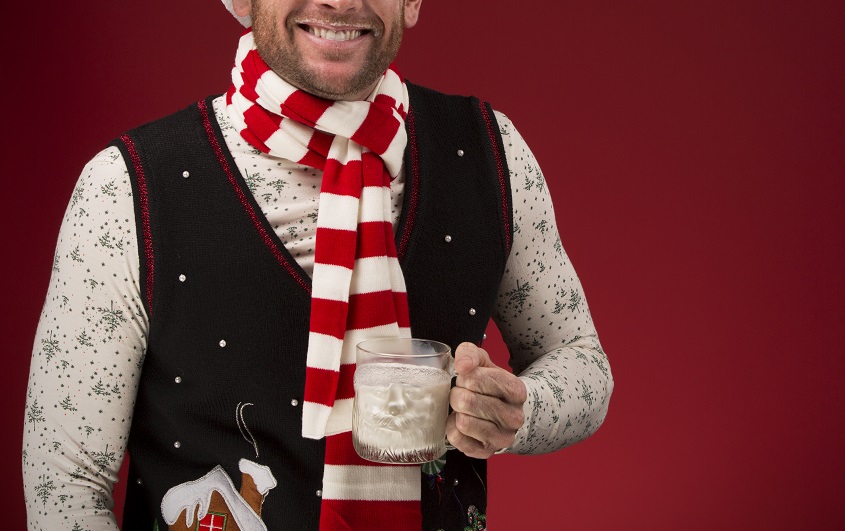
(This content is being used for illustrative purposes only; any person depicted in the content is a model)
In the spirit of the holiday season, we figure it is about time to not only celebrate love, giving and connection but also a time to celebrate the journey into sobriety many amazing people are on all around the world. As we reach the end of another interesting and exciting year, full of bittersweet memories as well as joy and hope, we thought it would be nice to give a sobering spin on one of the Christmas classics; the 12 days of Christmas. But honoring the legacy of 12 Step fellowships that have been such a life-changing foundation for many people recovering from drugs or alcohol.
We know that the holidays can also be a difficult time for those who may be separated from their loved ones for the season. They can certainly be a difficult time for those who are still struggling or who have loved ones suffering. So we want to spread a little bit of hope along with holiday cheer.
So for the days leading us to Christmas, we look forward to presenting all of our incredible followers and friends with our very own version of the 12 Steps of Christmas.
 Step 1: Admitting that I am powerless over the Holidays and they can make my life unmanageable
Forget the partridge in the pear-tree for the first day… let’s start off slow.
The fact is, the holidays will come around whether we are ready for them or not. I’m still trying to figure out how I survived the turkey and stuffing from November. Then BOOM here comes Christmas, with the gift giving and the family time and all that fun stuff. With all the tinsel and toys (yes, I still ask Santa for Batman action figures for Christmas) there comes a lot of stress and temptations for some people in sobriety.
Remembering Christmas with drinking…
Sometimes they want to join in “merriment” is pretty tempting. I know personally, the temptation to drink during Christmas was pretty much the same as every other 24 hours in early recovery; a lot. Lucky me, I got to spend my first sober Christmas in a holistic addiction treatment program. NICE! In all seriousness, it probably did save my life.
But I can remember the days when I used to drink with my loved ones on Christmas. After getting through the presents and coming together in the afternoon to spend time together, we would have food and drink together. The only problem, maaaaaybe some of us (ME) drank a little too much of the eggnog.
Whether or not you are a fan of “eggnog”, which in some families (or maybe just my family) tends to have a hearty serving of whiskey in the mix, there can be plenty of things about the holiday season that are tough to tussle with, especially in early sobriety.
Powerless over family…
We have to remember that our families are out of our control. All that dysfunction and colorful history with all the characters you call relatives can be, to put it mildly, exhausting and stressful. Sometimes our family members want to remind us of all the time we spent last year nodding out at Christmas dinner…
…or the time we threw up on the snowman in the backyard…
…or the time we sold all the presents under the tree and disappeared for a week…
…No? Just me?
Anyway, the truth is that when aunts, uncles, cousins, and siblings all come together with the parents and grandparents and so on, reminiscing is just part of the package. Maybe for some (me, apparently), it is more painful than others. Or perhaps, maybe you still have that family member that is struggling. Perhaps they are the ones disappearing for days, drinking too much cider or even causing conflict due to their distressed state in active addiction. It can be incredibly disheartening.
Either way, it is important to remember that we are not in control of our loved ones. Early recovery for a lot of us is about learning acceptance and working through the adversities we face with humility. Family support in the recovery process is more important than most people realize.
Plus, an abundance of Christmas cookies can go a long way.
Working with that unmanageability…
The most important part of any holiday, especially this time of year, is the compassion and goodwill toward others this season is meant to inspire in us. As troubling as life can be, our efforts to share love and connection are the best way to work through that obstinacy.
No matter how unmanageable the family get-together can be, in recovery, we have to try and remind ourselves that all we are responsible for is giving as much love, compassion, and acceptance as we can, while still maintaining healthy boundaries.
So step 1 for the 12 Steps of Christmas is essentially trying to remember not to stress the small stuff, and to accept yourself and your loved ones.
As for the partridge… is that even a thing? Who has a spare pear tree these days anyway?
Spending Christmas facing the hurdles and hardships of addiction can be a daunting task, but take this opportunity to be more aware of what truly matters and what that means for your recovery. For those struggling this holiday season, ask for help; not just for your family but, for yourself. Give yourself and those who love you the most the best gift you can. If you or a loved one is struggling with substance abuse or addiction, please call toll-free now.
CALL NOW 1-888-922-5398
by Justin Mckibben | Dec 7, 2017 | Carfentanil, Drug Abuse, Fentanyl, Fentanyl, News, Opioids, Synthetic Drugs
In 2014 the state of Ohio was #2 for most overdose deaths in all of America with approximately 2,744 deaths. For 2016 early estimates are putting that number at 4,149 Ohioans who lost their lives, a 36% climb from 2015, the year when the Buckeye State had by far the most overdose deaths in the nation.
On average, 11 people died every day from heroin, fentanyl, carfentanil and other drugs in Ohio through 2016.
As the nation grapples with these skyrocketing body counts from coast to coast, more government and law enforcement officials are trying to find new ways to take action against the opioid crisis. For those who do not know, fentanyl is a synthetic opioid; one of the most dangerous drugs on the illicit market.
But recently the Capital City of the Midwest has scored a huge win in that fight.
Enough to Kill Columbus
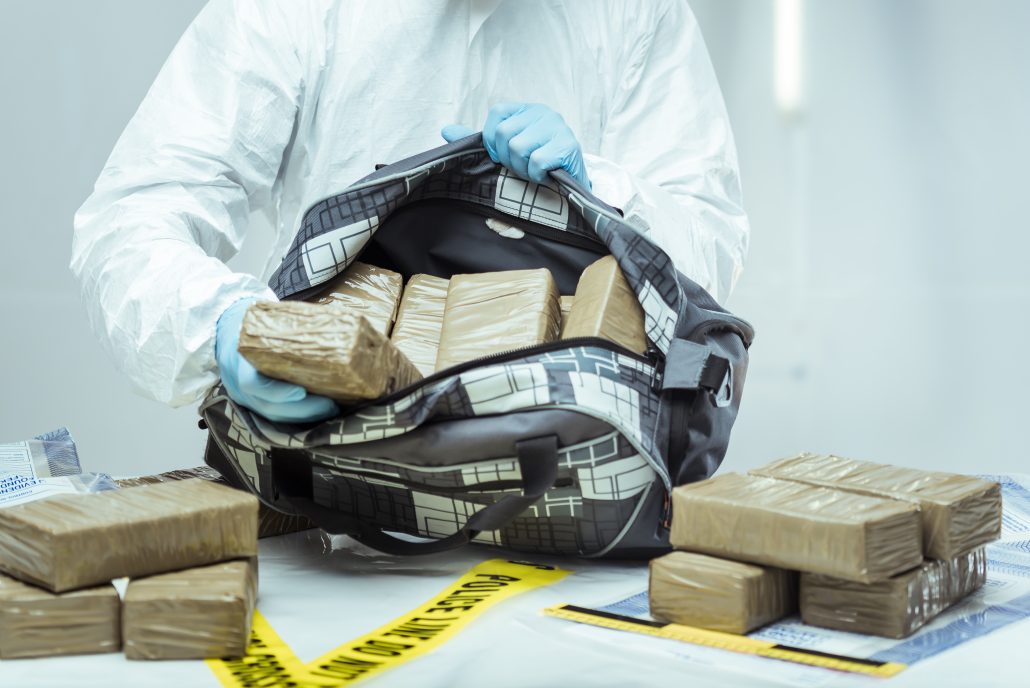
Back in October one drug bust led to investigators discovering 2 kilograms, or 4.5 pounds, of fentanyl in the trunk of a car. To put this in perspective, the Franklin County Prosecutor Ron O’Brien stated that:
- A fatal dose of fentanyl is considered to be only 2-3 milligrams.
- In Columbus, Ohio the population is approximately 860,000 people.
Crunching the numbers, the prosecutor points out this amount of the incredibly lethal synthetic drug could have killed every man, woman, and child in the city.
Three California men were arrested in relation to this bust.
Enough to Kill Ohio
Just when you think you’ve heard the worst of it, that’s not even the tip of the iceberg. The following month police in the capital city seized 20 pounds of pure fentanyl. In regards to this case, Ron O’Brien said,
“So it would probably be enough to kill all, the entire population in the state of Ohio.”
Again, using the same lethal fentanyl dosage for perspective, Ohio has 11.6 million residents. The amount of fentanyl discovered in the November bust could potentially kill more than 9 million people. O’Brien included,
“Two or three milligrams of fentanyl is not much more than five or six small grains of salt.”
So it stands to reason that 20 pounds of this drug could easily wipe out the vast majority of the inhabitants of the state.
More Record Busts this Year
The opioid epidemic is the greatest drug crisis in the history of the country. As the problem has intensified, the spread of fentanyl and carfentanil has continued to bring dead and devastation. Luckily, there are more major opioid busts this year, with some seizing enough fentanyl to kill entire populations of several states.
New York
In August officials of the Empire State managed to seize more than 140 pounds of fentanyl in August. The Drug Enforcement Administration said that amount could’ve killed nearly 32 million people. Put more bluntly, this amount of fentanyl could wipe out the populations of Texas and Oklahoma… combined!
San Diego
Back in June officials in this major California city found close to 100 pounds of fentanyl. That is enough to kill 22.4 million people; that is the combined populations of:
- New York
- New Hampshire
- Maine
St. Louis
The Gateway to the West was able to catch nearly 60 pounds of pure fentanyl back in April. That alone is enough to kill more than 13.6 million people.
Fighting the Spread of Fentanyl
Back in Ohio, Ron O’Brien and other officials know the opioid epidemic is getting worse all over the country. The Center for Disease Control and Prevention’s latest drug report states:
- More than 33,000 people died from opioid-related drug overdoses in 2015
- Close to 10,000 of them were from synthetic opioids such as fentanyl
In the state of Ohio, the opioid crisis has placed an increasing strain on resources. Financially it is costing Ohio residents between $6.6 and 8.8 billion per year, according to some experts. That is almost as much as the state spends on education for grades K-12.
Yet the fight goes on.
These massive seizures of this lethal synthetic chemical have undoubtedly saved many lives. However, putting a complete stop to the illicit drug trade is still very far off, if at all possible. Still, taking a few hundred pounds of such a potent and potentially deadly drugs off the streets makes an immeasurable difference.
For more important information on the dangers of prescription drugs, download our FREE E-BOOK “Big Secrets of Big Pharma: Why They Secretly Hope You Get Hooked”
DOWNLOAD FREE E-BOOK
Treating Opioid Abuse
Holistic drug addiction treatment is an effective and important resource for helping people struggling with substance use disorder, especially in the wake of the opioid crisis in America.
Outbreaks of more life-threatening drug problems including fentanyl and other hazardous synthetics only make the need for supportive and impactful treatment more relevant. If we want to overcome the opioid epidemic there must be an emphasis on how we treat people struggling and on how we support them through the recovery process.
Treating opioid abuse is about building a strong foundation with safe medical detox, personalized therapy, and innovative treatment opportunities. Palm Healthcare Company helps thousands of people all over the country overcome opioid abuse. Our facilities are committed to providing quality care for those dealing with drug abuse, whether it is illicit drugs or prescription drug dependence. If you or someone you love is struggling, please call toll-free now. We want to help.
CALL NOW 1-888-922-5398
by Justin Mckibben | Dec 1, 2017 | Addiction Stigma, Donald Trump, Drug Policy, Fentanyl, Heroin, Law Enforcement, News, Opioids, Prescription Drugs

This past Wednesday, Attorney General Jeff Sessions made the announcement that White House counselor Kellyanne Conway will be the Trump administration’s go-to for opioid crisis efforts. This announcement has been met with both praise and criticism. Some say this appointment actually gives validity to the White House’s commitment to solving the ongoing opioid epidemic, while others see it as the exact opposite.
For a little background, Kellyanne Conway worked as a pollster before becoming Trump’s campaign manager during his run for the 2016 presidential nomination. Currently, Conway serves as a White House spokeswoman and Trump surrogate. She has been seen on countless panels discussing the biggest topics and politics. She absolutely has her work cut out for her, so can Kellyanne Conway compete?
The Kellyanne Cons and Pros
So can this infamous Trump advocate, the woman who practically accidentally coined the phrase “alternative facts” compete with the opioid crisis in America? Kallyanne Conway has become notorious for defending some of President Trump’s most flagrant and controversial “alternative facts” in the media. But in her defense, she also has said some things that seem to highlight important prospects for this problem.
So here are some things to consider when we talk about Kellyanne Conway being put in charge of the opioid epidemic.
Lack of Experience
One of the big problems with this appointment people are pointing out is the lack of experience. Critics say this appointment speaks to how little passion the current administration is actually putting into fighting the opioid crisis since Kellyanne Conway has no experience in public health or with drug policy.
But in a time where Americans seem to be putting more trust in people that don’t typically meet the description of “qualified” in hopes that an outsider might bring better results, it makes sense that a lot of people might still hope Kellyanne can do some good.
Yet, there are still those who aren’t so sure. Tom Synan, a police chief and member of the Hamilton County Heroin Coalition in Ohio tweeted in response to the announcement:
“Ummm… did we run out of Dr’s, cops, addiction specialists or people who are actually dealing with this on the street to lead this?”
As a first responder, Synan is one of many people who are frustrated with the current actions being taken.
“I don’t want to get involved in politics, but it seems like it is a political position … I think I would have gone out to the country and tapped into people who are national experts who are on the street who are literally dealing with this issue every day,”
It seems many on the front lines are not impressed with the Trump administration’s move to put Kellyanne Conway in charge of efforts to combat one of the worst drug problems in the nation’s history.
Publicity and Perception
During a press briefing about the Justice Department’s efforts to combat the crisis where the announcement was made, Sessions said President Donald Trump chose Kellyanne Conway to “change the perception” about opioids and reduce addictions and deaths.
According to Sessions, President Trump has made the epidemic “a top priority for his administration, including every senior official and Cabinet member.”
An opioid policy expert Andrew Kolodny of Brandeis University actually defended the move when speaking to BuzzFeed News, stating:
“It is a positive sign. She is a high-profile figure in the administration, showing the administration takes this seriously,”
Some believe this can offer a sign of hope for more concrete action since many recovery advocates say despite the declaration of a public health emergency from President Trump there has been very little action taken to change the state of the epidemic.
Bertha Madras, a member of the President’s Commission on Combating Drug Addiction and the Opioid Crisis and Harvard Medical School professor, said:
“The most important thing that Kellyanne Conway will provide is access … but also commitment… She was at all the meetings, she listened and took copious notes.”
Let’s hope those are some good notes because thus far the opioid problem in America has shown no signs of slowing down. Jeff Sessions justified the appointment by saying Kellyanne Conway “understanding messaging” and can help turn around public perception. But is this about publicity, or is it about the preservation of life?
Surely breaking the stigma and changing the way addiction is viewed does matter, but should someone who specializes in making things look good to be in charge of how this country deals with one of the most prominent crises we face?
Treatment and Resources
Kellyanne does seem to support treatment, but to what extent it is still unclear. In one interview with ABC Kellyanne Conway did say,
“Pouring money into the problem is not the only answer. We have to get serious about in-facility treatment and recovery.”
So she at least appears to understand how crucial effective inpatient treatment is for recovery.
But when reporters mentioned the fact that there needs to be funding for these programs, she put more emphasis on “a 4 letter word called will” that seems to side-step the question- where will these resources come from?
As it now stands, White House has:
- Left the leadership role of the Office of National Drug Control Policy vacant
- Failed to release any written opioid-control strategy
- Not requested funds to replenish the national public health emergency fund that currently sits at just $66,000
In fact, President Trump’s 2018 budget request would increase addiction treatment funding by less than 2%. And don’t be fooled, that increase includes the $500 million already appropriated by Congress in 2016 under the 21st Century Cures Act with the Obama administration.
Even Chris Christie, the Republican New Jersey Governor who led the White House Opioid Commission, said:
“In New Jersey, we are spending $500 million,” he said. “I am not, quite frankly, impressed with $1 billion from the federal government for the nation.”
Strict Prevention and Punishment
When you look at what she has said on record in regards to opioids and addiction, it doesn’t really inspire a great deal of confidence. Kellyanne Conway has consistently hinted to an outdated ideology of what addiction is and how to address it.
In the past, Kellyanne has said,
“The best way to stop people dying from overdoses and drug abuse is by not starting in the first place… That’s a big core message for our youth.”
That’s right; just say no.
Critics say this aligns with the mindset of Jeff Sessions and others in the White House who seem to think that ‘Just Say No’ tactics actually work, or that purely prevention-based programs like D.A.R.E. can solve the whole problem. While prevention is important, it has proven to be ineffective as a focal point when addressing addiction.
Circling back to publicity, what Ms. Conway does seem to heavily endorse is a White House investigation for a “national ad campaign” on abuse prevention. President Trump himself had voiced his own support for a national advertising initiative to try and deter drug use.
But we all remember those commercials- this is your brain on drugs- and they didn’t really help that much.
Again, it seems Attorney General Sessions and the current administration is more focused on punishment than treatment and strict law enforcement. Sessions said the Justice Department was giving more than $12 million in grants to state and local law enforcement to help them prosecute crimes connected to:
Sessions is also ordering all U.S. Attorney offices to designate opioid coordinators. Kaitlyn Boecker, Policy Manager with the Drug Policy Alliance, has been vocal in her disapproval of the current steps being taken.
“Despite declaring the opioid overdose crisis a public health emergency just last month, the Trump Administration continues to emphasize failed prohibitionist policies while ignoring proven public health measures that we know reduce overdose death, like community naloxone distribution.”
“As we feared, the Administration is using the overdose crisis as an excuse to ratchet up the war on drugs rather than an opportunity to save lives.”
At this point, we can say that the news is not without skeptics. While many are still trying to remain hopeful that maybe because Kellyanne is so vocal and such a well-known surrogate for the president that perhaps she will be able to garner more attention to the issue.
While the fight for more resources continues, we should always encourage people to seek help. There are many safe and effective treatment resources already that have been helping people recover from drug and alcohol addiction for decades, like Palm Healthcare Company. If you or someone you love is struggling, please call toll-free now. We want to help.
CALL NOW 1-888-922-5398


