by Sher Delva | Jun 5, 2017 | Addiction, Addiction Stigma, Detox, Drug Abuse, Mental Health, Stigma, Therapy, Withdrawal
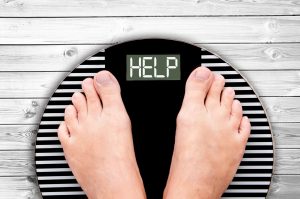
If you have gained a significant amount of weight after rehab, rest assured you are not alone. Like the freshman 15, gaining weight is practically expected. In fact, 65 percent of people gain weight after leaving rehab. Even more struggle with eating disorders, compulsive overeating, or what is now known as “food addictions.” What is the correlation and how can we get to the bottom of this?
First, we must look at the brain. Drug addiction and overeating have similar effects in the brain. When you were using drugs, it released happy chemicals like dopamine and serotonin which made you feel good. After becoming sober, you may find that you use food to acquire those same happy chemicals.
You might try to “replace” the high you felt from drugs with unhealthy foods. Foods high in fat, sugar, and calories tend to initiate a quick dopamine response in the brain. Unfortunately, like drugs, this happy feeling does not last long. Eventually, you crash and then try to eat again to achieve that same feeling. Substituting food for drugs or alcohol may lead to compulsive overeating and yes, weight gain.
Weight gain can be a source of personal suffering for some, and may even lead to a relapse. It can also contribute to health consequences like heart disease, high blood pressure, and diabetes. It is important to address the reasons why you have gained weight in recovery. Nutrition is crucial in the early stages of recovery, so it is important to recognize when you are not taking care of yourself properly.
Five common reasons people struggle with weight gain during recovery:
-
Stress
Stress is a risk factor for overeating. In the early stages of recovery, you may find yourself under a lot of stress, and now you do not have your drug of choice to mask those feelings. Research has shown time after time how stress can lead to overeating. For many, stress can lead to compulsive overeating and obesity.
-
Lack of Dopamine
One major reason for overeating is a lack of dopamine receptor in the brain. When the brain is low in dopamine, it affects impulse control and emotional regulation. Most people with any addiction have a lack of dopamine in the brain. The brain does not instantly recover once you stop using. In the absence of drugs for this reward mechanism, food becomes the next best thing. Weight gain inevitably follows.
-
History of Eating Disorders
Another reason for weight gain is a history of eating disorders before entering rehab. Dual diagnosis in rehab is extremely common. Many enter rehab with other psychological conditions including eating disorders. Almost 40 percent of women in recovery meet the criteria for an eating diagnosis. Men in treatment also experience binge eating and weight gain, especially in the beginning as they seek to satisfy cravings for drugs and alcohol. Few treatment centers screen their clients for eating disorders, so this is often not addressed once the recovering addict exits treatment.
-
Untreated Depression or Anxiety
As stated above, dual diagnosis is very common in treatment. Many addicts enter treatment with a history of anxiety and depression. Treatment for mood disorders can help reduce the risk of overeating related to these co-occurring disorders. Often, anxiety and depression can lead a person to overeat in an attempt to relieve themselves of these emotional hardships. Overtime, overeating occurs which leads to weight gain.
-
Nutritional Deficiencies
In some ways, weight gain after recovery is not a bad thing. Many recovering addicts are nutritionally deficient after detoxing from drugs. Chances are, there eating behaviors and lifestyle choices were not healthy while using. Eating can be a way of restoring your mind and body back to health. It is important to eat the right foods, however overstressing about weight gain should not be your main concern after leaving treatment. Your body may just be in a healing process. Your priority should be staying sober.
Despite the importance of nutrition in recovery, it is uncommon for treatment facilities to address it. It is important to go to a facility that incorporates wellness into the recovery process. While in treatment, take steps to eating healthy and exercising so that it becomes a lifestyle change upon leaving treatment.
There are steps that you can take to improve your overall health and well-being. Talk to your doctor about supplements you can take to help make the process easier. We encourage you to develop a healthy eating and exercise plan while you are in treatment. The staff at your facility may be able to help you along this process.
Overall, being mindful of your health while in treatment and after treatment is important. If you have gained weight after rehab, do not fret. Simple changes can turn it all around.
CALL NOW 1-888-922-5398
by staff | Jun 2, 2017 | Addiction, Detox, Drug Abuse, Prescription Drugs, Withdrawal

Here we are going to take a look at withdrawal symptoms. We will look at what they are, what determines how you will experience them and talk about how long they last. Then, what is the best way to overcome withdrawals.
How Long Do Withdrawals Last: What is Drug Withdrawal?
Drug withdrawal refers to the group of symptoms that occur upon the sudden discontinuation or even the decrease in consumption of prescription medications, illegal recreational drugs or even some other everyday substances like caffeine.
In order to experience withdrawal an individual must have first developed a dependence on the substance. This dependence can be physical, psychological, or both. Using a substance for an extended period of time will cause the body to gradually adapt in one way or another until it has become used to having it. Once the substance is removed or decreased, there becomes an imbalance in the body or mind as the individual is used to functioning with the substance.
There are many elements that symptoms of drug withdrawal, and the length of that withdrawal, vary depending on the drug of abuse and the length of the addiction.
How Long Do Withdrawals Last: Period of Use
The period of time one uses a drug can contribute to the length and intensity of the withdrawals. For someone who has been using drugs for a few months, the residual impact of those drugs may not be as strong or last as long as someone who has been using drugs for several years.
Because the body takes time to become dependent, the longer you are using a drug the more tolerance you build to it. Also, the functions of the body and mind can be altered by prolonged drug use to the point where they may take a long time to full heal. In some instances research has suggest there is damage that cannot be undone.
How Long Do Withdrawals Last: Different Substances
Of course one of the primary factors to answering this question is to identify the specific substance. Different substances will create different withdrawals, which will last different lengths of time and impact an individual in different ways. Some examples of specific withdrawals and how long they last include:
- Heroin and prescription painkillers: Many people experience flu-like symptoms that last for at least 24-48 hours
- Benzodiazepines (Benzos): People using benzos often experience withdrawals like anxiety and/or seizures, which can last weeks or even months
- Cocaine: For someone withdrawal from cocaine addiction, depression and restlessness lasting at least 7-10 days can occur
- Alcohol: Withdrawals from alcohol abuse can cause tremors and/or seizures, which can last from three days up to several weeks
So prolonged use of anti-depressants like the benzo drug Xanax will cause a much different reaction that withdrawals from an opioid like heroin. Some may be the same.
Don’t forget, these symptoms can be made even worse depending on other factors, such as length of time the substance has been used, at what dosage and how the drug was consumed.
How Long Do Withdrawals Last: General Withdrawal Timeline
Many sources have gathered data that could be used to make a rough estimate of how long withdrawals may last for certain substances. However, this general timeline cannot be guaranteed to be accurate considering each individual’s own health and habits can make these timelines vary.
Prescription Opioids
- 8-12 hours after last dose, for drugs like OxyContin and morphine, the withdrawals can start around this point
- 12-48 hours after the last dose the intensity of withdrawals can peak
- 5-10 days even up to a month or more after last dose opioid withdrawals can persist
Methadone
- 24-48 hours after last dose the withdrawals can begin
- Methadone withdrawals will peak in first few days
- Withdrawals will typically last 2 weeks or more
Benzos
- 1-4 days the withdrawals from drugs like Xanax, Valium and Ativan will begin
- Benzo withdrawals will be peaking within the first 2 weeks
- Protracted withdrawals can last months or even years without treatment
Alcohol
- 8 hours- a few days is usually all it takes for alcohol withdrawals to kick in
- Within 24-72 hours alcohol withdrawals will peak
- Alcohol withdrawals can last several weeks
Cocaine
- Withdrawal from cocaine starts within hours of the last dose
- After a few days cocaine withdrawal peaks
- Cocaine withdrawals can last anywhere from a week to 10 weeks
The data for these numbers can be found through the National Institute on Drug Abuse (NIDA) and various other sources.
Withdrawal symptoms will still depend on the many factors we have already mentioned, including the individual’s general health in the first place. Some drugs cause very real damage to the vital organs that can creature further complications with withdrawals.
How Long Do Withdrawals Last: Medical Detox
To avoid the pain, discomfort and health risks of withdrawal from drugs or alcohol do not detox at home. A safe medical detox is the best way to get the effective and comprehensive help you need to stay healthy while receiving quality care. Medical detox provides a safe and secure space to get through this beginning difficult stage of recovery.
The Palm Healthcare Company detox facility has a 24-hour medical and addiction professional staff to continuously evaluate individual progress, administer the appropriate medications, if needed, and provide unlimited support during this process.
Our highly qualified specialists genuinely strive to make recovery possible for everyone who needs help. If your or someone you love is struggling with substance abuse or addiction, please call toll-free.
CALL NOW 1-888-922-5398
by Justin Mckibben | Jun 1, 2017 | Addiction Treatment, Detox, Family, Parenting, Teen Drug Abuse

(This content is being used for illustrative purposes only; any person depicted in the content is a model)
For parents, one of the most difficult decisions can come when your child is struggling with drug abuse or alcohol abuse. You may end up looking desperately for answers that are not as cut and dry as we would hope. Part of you may want to force your child to get treatment, even if they are in denial of their substance use or just refuse to accept help. So you ask- can I make my child go to rehab?
Can I Make My Child Go to Rehab: Trouble with Teens
Because underage children cannot begin to understand just how much drugs or alcohol can impact their futures, and their health, they are the people most likely to resist getting help. Teenagers are also less likely to have control over their impulsive behaviors because their brains are still not fully developed.
Of course if your child is a minor, it is possible to make them go. Legally, anyone under the age of 18 years old can actually be placed into a residential drug treatment facility without their consent. In the United States, if the child’s parent or legal guardian has custody and a right to protect the child, then they are able to take some extreme action if needed.
However, while it is legal, the bigger question may become should you make your child go to rehab? Is this the most effective way?
Can I Make My Child Go to Rehab: Adult Children
But what if your child is not a minor?
Well, it is still possible to force one of your adult children into treatment in some states. In a few states across America there are laws that allow family members to legitimately force addicts into rehab. In some states where these laws don’t already exist there are movements to push for such legislation. However, making an adult child go to treatment is not just picking a place, grabbing the person and dropping them off. With trying to make an adult get treatment, there is more of a process.
For example, in the state of Florida there is a law called the Marchman Act. This is one of the more progressive laws in America regarding drug and alcohol rehab.
The Marchman Act requires that in order to petition for an addict to be involuntarily admitted to treatment, there has to be present either:
- A spouse
- A relative
- In the absence of family members, three people who have direct contact and understanding of the addict’s condition
Whoever the petitioners, the individuals must be able to provide proof that the individual has lost control and that are likely to harm themselves or someone else. The state you live in may have different stipulations for involuntary commitment to a drug or alcohol treatment facility.
Can I Make My Child Go to Rehab: Intervention
One way people will decide to try and make their child go to drug treatment is by staging an intervention. Sometimes this is done with a professional intervention specialist, and other times it is something organized by the family and loved ones of the individual. In this context, some parents or loved ones may try to blackmail or bribe the individual into getting help.
The term ‘tough love’ is thrown around a lot in situations like this, but while it is important to set boundaries with loved ones, having a more compassionate and supportive approach is often much more effective when trying to actually help a loved one or child to end their suffering.
Communication is key. Having an understanding of what a loved one is going through and what the risks are is crucial to having a constructive and helpful conversation about addiction and getting treatment.
Can I Make My Child Go to Rehab: Should I Try?
After looking at your options, the more pressing question becomes- should I make my child go to rehab?
Of course there is no one-size-fits-all answer for this, but there are those who would suggest involuntary treatment is not as effective as voluntary treatment. Many would argue that recovery requires a real effort, and that someone who does not want to get clean will not succeed.
Others will refute this, and say there is no reason to believe that just because someone does not want to go to treatment doesn’t mean it won’t work. Courts will still sometimes mandate drug treatment in some form, and many people have attended rehab or went to recovery support groups and gotten clean and sober without an initial desire to do so. Also, some would rather their child be institutionalized in some way to keep them off the streets, regardless of what they want.
It is completely understandable for a parent to try to do everything in their power to get your child the help they desperately need. At the same time, it may be important to show compassion, support and have a direct and open conversation before trying to force someone into treatment. The reality is, if they have a bad experience they may never try again. Make sure to be honest and comprehensive, while also setting firm boundaries.
Addiction is a family disease. To learn more about setting healthy boundaries, download our FREE GIFT of a checklist to help decipher if you are helping or hurting a loved one who is struggling with addiction.
DOWNLOAD FREE E-BOOK
Forcing your child to go to rehab may not be the best way to get them help, but it can save them, if only briefly. Ultimately, finding a safe and effective treatment program creates the opportunity for lasting change and growth. If you or someone you love is struggling, please call toll-free now. We all need a little help sometimes, and Palm Healthcare Company wants to help you.
CALL NOW 1-888-922-5398
by Sher Delva | May 31, 2017 | Addiction, Addiction Medicine, Addiction Stigma, Drug Abuse, Mental Health, Stigma

Termination of employment document
One question many ask before going to treatment is whether or not they can keep their jobs after treatment. The decision to go to treatment is a challenging one and often, conflicts like separation from family, current employers, and financial hardships prevent some from making the crucial decision to go to treatment.
If you are struggling with substance abuse, all these areas are already being negatively affected by your addiction. Your employer may already suspect that you have an issue with substance abuse. If they do not, it is a smart idea to address the issue before it progresses to interfering with your employment.
We understand that you have concerns about seeking treatment, but you risk everything—including your job— if you do not seek treatment for your alcohol or drug problem. Your addiction has become unmanageable, and it is crucial you address it to sustain a healthy life.
Can I lose my job if my boss knows that I need treatment?
The Americans with Disabilities Act (ADA) protects employees from being discriminated against because of a disability. People who struggle with the disease of alcoholism are considered to have a disability under ADA guidelines. However, the guidelines do get tricky. If your job performance declines because of your drinking, your employer has the right to terminate you because of poor work performance.
Actively using illegal drugs is not protected by the ADA. However, the act does protect someone who has gone through drug rehab and is not using or has a history of drug use but is in recovery. You employer has the right to test you for drugs, but they cannot ask about your history of addiction. Therefore, it is best to seek recovery and live a sober life to avoid failing a drug test and losing your job.
But will my job be held while I am getting treatment?
The ADA does provide guidelines to protect recovering addicts who seek treatment for drugs and alcohol. Your employer is required to make reasonable accommodations, such as allowing flexibility to attend AA/NA meetings or allowing a leave of absence to attend alcohol and drug rehab. The Family and Medical Leave Act or FMLA can protect you while you seek treatment.
Still, some employers make it difficult to return to work after treatment. It is important you know your rights and the policies of your employer to hold them accountable. Furthermore, remember that seeking treatment should be your priority, and your life depends on living a sober, healthy life. Without treatment, your life may become unmanageable and eventually lead to termination regardless.
Won’t my career or skill set suffer if I leave for treatment?
Think about how much your addiction affects your ability to work. The reality is your career and abilities will likely improve through seeking treatment for your addiction. When you go to treatment, you begin at detox where your body is cleansed from alcohol and drugs and your health and cognitive function improve, making you sharper.
Addressing your addiction issues will make you a better employee. You will find that your productivity improves as well as your desire to work harder. You will now have newfound ambitions that do not involve figuring out how to obtain your D.O.C (drug of choice). Instead, you can use those strategies to improve in your profession.
How will I pay for bills and living expenses if I go to rehab?
Going to treatment can be a major expense on top of your bills and cost of living. However, there are a variety of ways to get around this. First, make sure to determine what your insurance covers regarding addiction treatment. Some insurance companies will cover a set amount of time in treatment with little out-of-pocket costs.
Furthermore, using accrued vacation time will help provide a paycheck while in treatment. If your employer offers short-term or long-term disability leave, you might be able to use it while in treatment. More importantly, rehab is a valuable investment that will change your life. If you do NOT go to treatment, you could lose your job due to termination, which would result in more financial strain.
Get the Help You Need
If you are afraid of losing your job or not having a job to come back to, rest assured there are a variety of ways to go about making sure this is not an issue. First, you have to make the decision to go to treatment and explore your options.
You are more likely to keep your job or get a better one after seeking help. You owe it to yourself, your employer and your family to recover from substance abuse, Call now. We want to help.
CALL NOW 1-888-922-5398
by staff | May 23, 2017 | Addiction, Detox, Drug Abuse, Meth

The overdose death outbreak across America is most notably in connection to the opioid epidemic. Law enforcement and health officials all over the country continue to combat the impact of heroin addiction and prescription opioid abuse, and this issue is a consistent talking point. But opioids aren’t the only drugs that authorities are noticing for an increase with rates of use and overdose. Several state agencies in the U.S. have recently reported a spike in overdose deaths related to methamphetamine.
What is Meth/Crystal Meth?
Meth as an illicit recreational drug that goes by several street names, such as:
This substance usually comes in the form of a crystalline white powder, although other colors have been observed including brown, yellow-gray, even pink or blue. It is often described as odorless and bitter-tasting.
Crystal Meth is a version of methamphetamine that can be made with simple ingredients from drug stores. It comes in clear crystals or chunks resembling ice and is most commonly smoked. This form of the drug has other street names such as:
- Blade
- Crystal
- Glass
- Ice
- Shards
Both forms of methamphetamine, and even amphetamine prescription stimulant drugs, are incredibly addictive and extremely dangerous substances.
New Crystal Meth Stats
The Centers for Disease Control and Prevention (CDC) released new statistics from 2015 (the most recent year for which federal data is available) that show:
- In 2014 there were 3,700 deaths from methamphetamine overdoses
- More than 4,500 individuals died in 2015 from methamphetamine
- That is an increase of 30%
According to the Substance Abuse and Mental Health Services Administration (SAMHSA), methamphetamine use jumped from 3% in 2010 to 4% in 2015. That may not seem like much, but consider that in comparison to heroin use, which only rose from 1% to 2% during this same time period.
Meth has become rampant in significant portions of the Midwest and in the South. For example, in Oklahoma:
- Methamphetamine was involved in more than 300 overdose deaths in 2016
- It surpassed death rates for both Oxycodone and Hydrocodone… COMBINED!
This huge upsurge in meth use has also prompted more people to seek treatment for meth addiction. For example, in the year 2015 more than 11,000 patients were admitted for treatment in Minnesota, which is nearly twice as many who sought help for meth addiction 10 years before. Other areas that had no previous history with serious meth use rates have also seen a spike in people seeking treatment for meth addiction.
At the end of the day, whether it is legal amphetamine or illicit methamphetamine, these chemicals are known to be dangerous and addictive. Even prescription drugs containing amphetamines are a risk factor. Depending on how the drug is used, issues related to these powerful stimulants may vary. Amphetamines that are crushed or injected will present different complications.
Treating Methamphetamine Addiction
Confronting the risks and adverse effects of meth addiction effectively and safely means utilizing a medical detox and comprehensive treatment program. The physical and psychological impact leads to a number of side-effects and withdrawal symptoms. Withdrawal symptoms usually include:
- Anxiety
- Agitation
- Incoherent speech
- Dysphoria
- Fatigue
- Lack of motivation
- Sleeplessness
- Vivid dreams
- Suicidal thoughts
The psychological and emotional effects are said to be the most difficult to overcome, while the cravings for the drug are exceptionally strong.
Healthcare officials say they are prepared to help patients during this recent expansion of meth use. However, the director of the Center for Substance Abuse Treatment at SAMHSA, Kimberly Johnson, believes the current need for treatment may far exceed available resources.
The main strategy for treating meth addiction remains medical detox, followed by inpatient treatment and outpatient therapy. The abuse of amphetamines and methamphetamine, such as crystal meth, is quite serious and therefore amphetamine and methamphetamine abuse treatment is crucial to helping those who struggle with meth addiction.
Overall, the rates of meth use are rising, and there are treatment programs in place to holistically face these issues. For many, meth addiction is an all-consuming threat that takes over their life. If you or someone you love is struggling with substance abuse or addiction, please call toll-free now.
CALL NOW 1-888-922-5398
by Sher Delva | May 22, 2017 | Addiction, Addiction Medicine, Addiction Stigma, Mental Health, Stigma, Therapy, Uncategorized, Withdrawal

A recent article in Psychology Today explores the topic of chronic stress and how stress can increase vulnerability to addiction.
Have you dealt with a lot of stress lately? If so, it might be time to take care of it. Stress is a major risk factor in addiction recovery. Stress may increase the chance of a relapse. Stress is a normal part of everyday life and while it may not be possible to eliminate stress completely, there are ways to manage it better.
What is Stress?
Most of us have been stressed before, but how exactly do you define stress? Stress is defined as adversity or hardship that a person experiences. Biologically speaking, stress causes a rise in our blood levels and increases stress hormones, like cortisol. Fight-or-flight is the normal response to stress. In this state, all the blood goes to the muscles so that you are ready to take off when necessary.
There is a difference between chronic and normal stress. Moderate stressors in life are perceived to be pleasant. In fact, some people love a challenging stressful situation that promotes the release of stress hormones. However, intense and prolonged stress due to unfortunate situations can produce feelings of helplessness and depression.
Chronic stress increases the risk for developing:
- Depression
- The Common Cold
- Influenza
- Tension Headaches
- Clenching of the Jaw
- Teeth Grinding
- Tension of neck and shoulders
Stress stems from a multitude of sources. Trauma in early childhood can make people more vulnerable to stress later in life. There are studies that suggest stress in early life can cause methylation of key genes that control the stress system When this happens, we remain in a constant state of emergency.
The workplace is another environment prone to chronic stress.
If your job is very demanding, stress is a likely result. On the same note, those who feel unappreciated at work or unimportant are susceptible to developing clinical anxiety and depression, as well as stress-related medical conditions like ulcers and diabetes.
For some, a common remedy is abusing addictive substances. Research in human studies reveals that adversity during childhood and early life can increase the risk for addiction. Furthermore, people with an unhappy marriage, dissatisfaction with employment or harassment also report increased rates of addiction.
The more stressors a person is exposed to, the greater risk of substance abuse. Economist Deaton (2015) shows that less educated white Americans who struggle in the job market during early adulthood are more likely to experience “cumulative disadvantage” over time, with health and personal problems that lead to drug overdoses, alcohol-related liver disease, and suicide.
Why is this?
One explanation is the self-medication theory. This theory suggests that a person uses drugs to cope with stressors or relieve themselves of anxiety and depression resulting from a traumatic event. Thus, drug use acts as a mean to soothe the psychological distress.
High emotional stress is linked to loss of impulse control and an inability to delay gratification. Chronic stress decreases gray matter volume in the brain. This area is associated with cognitive control and stress regulation.
Essentially, stressed people are prone to give into their impulses as a way of coping with daily stress. In sum, people who are more stressed lack the ability to make rational decisions.
In conclusion, learning to manage stress is crucial to success in recovery. if you are struggling, reach out for help. There are a variety of treatment options available to manage stress. We are a phone call away. Please take care of your health. Call now.
CALL NOW 1-888-922-5398
by Sher Delva | May 22, 2017 | Addiction, Addiction Medicine, Addiction Stigma, Mental Health, Stigma, Therapy, Uncategorized

A needle exchange program in the Bronx, New York is stepping up to combat the ongoing opioid crisis and rising overdose death rates. Their latest tactic is handing out fentanyl test strips to heroin users.
The reasoning behind the test strips is to lower overdoses due to fentanyl-laced heroin.
Staff member Van Asher explains that the test strips will help addicts determine whether or not there is fentanyl is the drugs they’re using. The strips are usually used to drug test urine, but people can put a little of the mixture that’s in their syringe onto the strip to test whether or not what they are injecting contains fentanyl. This will help them make a more informed decision about what they are putting in their bodies, Asher explained to NPR.
Studies conducted by the Centers For Disease Control and Prevention revealed that most people do not know whether the heroin they’re using contains fentanyl. Asher told NPR that he started handing the strips out of desperation to curb the overdose rates among his clientele.
With each strip, Asher gives a survey to fill and report back. Unfortunately, Ashley admits getting clients to follow through is a difficult task.
Still, Asher is now working with programs around the country to try to replicate his idea. The idea originated at Inside in Vancouver Canada, North America’s only safe injection facility.
However, the major difference is that if someone is choosing to use their fentanyl-laced heroin at Inside, they can be medically monitored and an overdose is more likely to be reversed by staff, preventing death.
In the United States, safe injection facilities do not exist yet. While there are few areas testing the concept, none have yet to become established. Furthermore, harm reduction strategies remain a controversial topic. Therefore, it is up to the drug user to monitor how they use the drugs.
Some simply are not convinced.
Drug users like Vincente Estema explain that knowing there is fentanyl in his heroin is not going to stop him from using.
“It’s stronger! If it makes me feel the euphoria, I’m going to go for it,” he told NPR.
When an addict is at the point of wanting to use drugs, it is unlikely that the fentanyl test strips would deter them from using. However, it would at least inform them of the risk they are taking, and could potentially reduce the amount of the drug they take.
In 2015, the spike in fentanyl-laced overdose deaths led the Drug Enforcement Administration to issue a nationwide warning about the drug.
“Drug incidents and overdoses related to fentanyl are occurring at an alarming rate,” said DEA Administrator at the time, Michele Leonhart, calling it a “significant threat to public health and safety.”
During a three-month period in 2016, 74% of opioid overdoses in Massachusetts were caused by fentanyl! Fentanyl is up to 100 times stronger than morphine and is the strongest opioid available to doctors; even worse, different variations of fentanyl are hitting the streets like carfentanil and acryl fentanyl.
The numbers from Massachusetts indicate that heroin overdoses are dropping, but opioid-related overdose deaths continue to increase. Authorities agree that fentanyl is to blame. In a press release, Massachusetts Secretary of Health and Human Services Marylou Sudders called the data, “a sobering reminder of why the opioid crisis is so complex.”
Do you believe these strips could help combat the opioid epidemic? Would it affect how an addict uses? Regardless, any addict continues to use needs to seek help instead. The next time you use could be your last. Recovery is possible. We want to help you. Call now.
CALL NOW 1-888-922-5398
by Justin Mckibben | May 18, 2017 | Addiction Medicine, Detox, Heroin, Maintenance Drugs, Methadone, Opioids, Prescription Drugs, Withdrawal
Ever since Methadone was introduced to combat opioid dependence, it has been leaned on by countless people over several decades to treat opioid abuse. For a long time methadone clinics have been looked to as a source of relief from an addiction to opioids, but are they as effective as people seem to think? Over time more people who have used methadone to try overcoming serious addictions have realized methadone maintenance also comes with a great deal of damaging side effects.
What is a methadone clinic?
A methadone clinic is a clinic for the dispensing of methadone. Because this is a schedule II opioid analgesic drug, access must be restricted. Methadone clinics are a way to provide people with this medication. But before you rush out to find the one closest to you, there are a lot of things to consider.
What is a Methadone Clinic: History of Methadone
Firstly, let us not that methadone is an opioid drug. It is used to treat pain, like most opioid medications, but most people know it as a maintenance drug for detoxing from dependence on other opioids, such as heroin. Methadone, sold under many brand names, including:
- Methadose
- Dolophine
- Symoron
- Amidone
- Physeptone
- Diskets
Different countries have different brands as well. A few footnotes of the history of methadone include:
Methadone was developed in Germany by Gustav Ehrhart and Max Bockmühl.
The United States approved the use of Methadone.
About 41.400 kilograms of methadone were manufactured globally
What is a Methadone Clinic: Methadone Detox
Methadone is available in various forms, including:
- Pill
- Sublingual tablet
- Two different formulations designed for the patient to drink
Drinkable forms include:
- Methadose- the ready-to-dispense liquid form found in theUnited States.
- Diskets- tablets designed to work like Alka-Seltzer, dispersing rapidly in water for oral administration.
The most common method of administration is the liquid form, because it allows for small dose changes. Methadone is almost as effective when administered orally as by injection.
Detoxification using methadone is intended to be a way for people addicted to opioids such as heroin or powerful prescription drugs to taper off, but at the same time detoxification using methadone has been met with a great deal of controversy.
Many who oppose methadone clinics refer to this strategy as methadone substitution. As a treatment of opioid addiction methadone is heavily criticized for its role in what some call “social control of addicts.” Many who oppose methadone suggested that the drug does not function as much to curb addiction as to redirect it and maintain dependency. In other words, some insist methadone is essentially keeping people addicted, but making sure the money goes to drug manufactures and methadone clinics instead of street dealers.
What is a Methadone Clinic: Methadone Side-Effects
There are so many adverse effects of methadone, which may vary in range and severity depending on the individual. There include, but are not limited to:
- Sedation
- Diarrhea or constipation
- Perspiration
- Heat intolerance
- Dizziness
- Fainting
- Itching
- Weakness
- Chronic fatigue
- Sleep problems
- Nausea
- Hallucinations
- Memory Loss
- Weight gain
- Stomach pains
- Mood changes
- Restlessness
- Decreased libido or impotence
- Urinary difficulty
- Blurred vision
- Skin rash
- Low blood pressure
- Headaches
- Seizures
- Heart problems
- Respiratory problems
Some of these adverse effects of methadone use are much more serious than others.
What is a Methadone Clinic: Withdrawal Symptoms
There is also a massive list of possible withdrawal symptoms from using methadone. This is one of the primary issues many people have with methadone treatment.
Physical withdrawals include:
- Runny nose and sneezing
- Nausea
- Vomiting
- Diarrhea
- Fever
- Sweating
- Chills
- Aches and pains (especially in joints)
- Sensitivity to pain
- Hyperventilation
- Tremors
- High blood pressure that may cause strokes
Others are more concerned with the mental aspect of the withdrawals experienced from methadone.
Cognitive withdrawals include:
- Suicidal ideation
- Drug cravings
- Depression
- Insomnia
- Delirium
- Hallucinations (auditory and visual)
- Agitation
- Anxiety
- Panic disorder
- Paranoia
- Delusions
- Apathy
The irony is that methadone withdrawal symptoms are even reported to last significantly longer than withdrawals from some other opioids. In some cases, people may even try to treat an opioid addiction with this drug not knowing that it is actually a much worse opioid to withdrawal from.
What is a Methadone Clinic: Methadone Overdose
As mentioned before, there are some very real dangers when it comes to using methadone.
- Between 1999 and 2004, deaths in the U.S. linked to methadone quadrupled.
- In 2004 reports credit methadone as contributing to 3,849 deaths, 82% of which were reported as accidental.
- In 2011, there were 4,418 deaths in the United States involving methadone. At the time that made up 26% of total deaths fromopioid poisoning.
Respiratory depression is probably the most common overdose risk related to opioid drugs. Other symptoms of a methadone overdose include:
- Hypoventilation (slow/shallow breathing)
- Drowsiness
- Cool, clammy skin
- Limp muscles
- Unconsciousness
- Coma
- Excessive vomiting
- Risks are greater with higher doses, as well as mixing methadone with any other drugs.
The risks of methadone are very, very real. In fact, U.S. Food and Drug Administration (FDA) issued a Public Health Advisory back in 2006 about methadone titled “Methadone Use for Pain Control May Result in Death and Life-Threatening Changes in Breathing and Heart Beat”. In the report, the FDA stated that they received reports of death and life-threatening side effects with patients who were newly starting methadone.
Both individuals who were starting methadone for pain, or who were trying to switch to it from another powerful narcotic pain reliever were included to be at an elevated risk, according to the FDA.
What is a Methadone Clinic: Another Way
Getting off of powerful opioid drugs, whether they are prescription narcotics or illicit street drugs, is possible without the use of methadone. While maintenance drugs can be useful to some extent as a means of harm reduction, these should not be considered as sustainable means of addiction recovery. Maintenance drugs are typically only ever effective if utilized in combination with therapy and other forms of addiction treatment.
Luckily there are other ways to get help. It is possible to be safely and effectively removed from a methadone taper through a safe medical detox. Understanding methadone can also be fatal is of vital significance. Methadone detox can be deadly if not supported by a medical staff with the right medications to help ease the pain and discomfort of the detox. Medical detox combined with a holistic treatment program is a proven strategy for saving lives.
If you or someone you love is struggling, do not wait. Please call toll-free now. We want to help. You are not alone.
CALL NOW 1-888-922-5398
by Justin Mckibben | May 16, 2017 | Addiction, Detox, Drug Abuse, Panic Disorder, Prescription Drugs, Xanax
With prescription drug abuse being one of the biggest issues facing the country today, there is an increasing need for education and awareness as to what these drugs really are and how powerful they can be. One of the prescription narcotics most commonly abused is Xanax, a name brand medication in the Benzodiazepine (Benzo) category of depressant drugs. This medication can be very helpful to those who use it accordingly, but it can also be seriously addictive and even life threatening.
So in taking a closer look at specific substances, we want to of course answer the question- how long does Xanax stay in your system.
How Long Does Xanax Stay in Your System: Understanding Alprazolam
Alprazolam is the generic name for a potent, short-acting anxiolytic drug in the benzodiazepine class. Xanax is actually a brand-name for Alprazolam, and is typically the most commonly known version. Alprazolam is frequently utilized in the treatment of anxiety disorders, such as:
The drug binds to a number of specific sites on the GABA receptor of the brain, and elicits responses as a:
- Anxiolytic (Anti-panic)
- Sedative
- Muscle relaxant
- Anti-convulsant
- Amnestic
- Antidepressant
While there is some debate about people building a tolerance to the anxiolytic effects, there is a clear indication that tolerance to the sedative effects will build in a couple days of using the drug. Thus, withdrawal symptoms can occur after only a few weeks of use if the drug is suddenly stopped.
How Long Does Xanax Stay in Your System: Side-Effects
There are various possible side-effects that may occur while taking Xanax or any Alprazolam drug. Some possible adverse effects include:
- Drowsiness
- Dizziness
- Fatigue
- Dry mouth
- Slurred speech
- Suicidal ideation
- Urinary retention
- Skin rash
- Respiratory depression
- Constipation
These side-effects can be uncomfortable and some are more common than others. However, probably some of the greater risks come with prolonged use, which can lead to severe dependence and withdrawal.
How Long Does Xanax Stay in Your System: Withdrawal
Another reason people as how long does Xanax stay in your system is to determine how long the withdrawal periods are. Once the body has developed dependence on a drug, withdrawal or “rebound” symptoms can make it extremely difficult to discontinue use. Some common symptoms of withdrawal from Xanax include:
- Rebound anxiety
- Panic
- Hallucination
- Insomnia
- Moodiness
- Tremors
- Nightmares
- Nausea
- Vomiting
- Seizures
Some of these seizures and other reactions can actually become life-threatening, making Xanax withdrawals some of the most dangerous one can experience.
How Long Does Xanax Stay in Your System: Overdose
When asking- how long does Xanax stay in your system- you may be concerned about the risks of overdose. An Alprazolam overdose can range from mild to severe depending on how much of the drug has been taken. One of the primary problems with an Alprazolam overdose is that it creates an excessive depression of the central nervous system. Some of the signs of Xanax overdose are:
- Dizziness
- Impaired balance
- Muscle weakness
- Hypotension
- Drowsiness
- Shallow breathing
- Fainting
- Coma
- Death
These risks may be more or less serious depending on a number of factors, including if Xanax is taken with any other substances.
How Long Does Xanax Stay in Your System: Half-life
As with all drugs, and even most chemicals or substances that enter our bodies, there are a number of factors that influence how long it takes for Xanax to leave the body, such as:
- Metabolism
- Height
- Weight
- Body fat content
- Age
- Health of the liver
- Kidney health
- Amount of the drug taken
- Length of time using the drug
Typically Xanax has a half-life of 9-16 hours, meaning it takes a healthy body 9-16 hours to get rid of half of a dose of the drug. Because of the half-life, the drug will typically be out of the systems after 4 days. However, this is usually just for the occasional consumption. Xanax can stay in the system for a week or longer for frequent or heavy users depending on the above factors.
How Long Does Xanax Stay in Your System: Detoxing
A huge problem with drugs like Xanax is that a lot of people assume these prescription narcotics are safer because they are not street drugs. Yet, Benzodiazepine drugs like Xanax are commonly connected to serious health issues. Beyond that, the dangers of addiction and the potentially fatal withdrawals are exactly why these medications are not nearly as safe as some people like to think they are.
Because of the risks of Xanax withdrawal it is crucial to seek out safe medical supervision for the detox process. Because Xanax can be present in the body for over a week for long-term users, it is important to have a means to monitor the complications Xanax withdrawal may cause. This is especially true if the individual has been using other substances in combination with Xanax.
Detoxing does not have to be what stands between someone who is suffering and a full recovery from this progressive and far too often fatal disease. If you want to get Xanax out of your system in a safe and effective way, a medical detox is the best choice. If you or someone you love is struggling, please call toll-free now.
CALL NOW 1-888-922-5398
by Sher Delva | May 16, 2017 | Addiction, Addiction Stigma, Mental Health, Stigma, Therapy

When Frank McKinney graduated high school, he earned his diploma with a less-than-stellar 1.8 GPA. With $50 in his pocket, McKinney left his native state of Indiana and headed to Florida in search of his life’s highest calling. Despite all odds, he managed to become successful.
McKinney is an accomplished author, real-estate artist, and philanthropist. In real estate, McKinney started with a $50,000 fixer upper and worked his way to a $50 million oceanfront mansion. He is a 5-time International Bestselling Author (in 4 genres), and an ultramarathon runner.
The Real Deal On… Reinvention
Recently, McKinney was a guest on The Real Deal On… with Dug McGuirk. The conversation occurred in one of McKinney’s stunning micro mansions where he discussed the theme of reinvention and rediscovery.
In the first 25 years of his real-estate journey, McKinney focused on building huge mansion-like homes for the ultra-wealthy, but later he discovered a shift in the mindset of the rich. McKinney talks about his decision to develop “micro mansions.” He says the experience was a valuable life lesson.
“We realized there was a shift. You can become complacent, you can become in denial, but there’s been a big shift in that the ultra-wealthy are not wanting houses that are as big as they used to. So we took the opulence, the grandeur, the artistry, the beauty [and] shrunk it down to a more manageable size.”
“That was huge— I’ve built bedrooms bigger than this house!” McKinney says. “4,100 sq. ft. is the biggest bedroom I’ve ever built. This [home] is 4,087, so it’s 13 sq. ft. smaller than the bedroom I built.”
“But part of the beauty of reinvention is a reigniting of the soul after you’ve done something for so long…” he explains.
On Running Ultra Marathons
Along with his professional accomplishments, McKinney has run several ultramarathons. An ultra-marathon is a marathon “of any distance longer than a regular marathon” which means it can be a marathon of 35, 50 or 100 miles. The ultra-marathon McKinney runs is an astounding 135 miles.
Known as The Badwater Ultramarathon, it is considered the “world’s toughest footrace” according to National Geographic. It takes place in the Badwater Basin in California’s Death Valley.
Initially, McKinney says the idea of completing the ultramarathon was “unfathomable.”
“It’s 135 miles nonstop through the desert in July where the daytime temperatures are 125 and the pavement temperature, because you’re running on a road, is over 200 degrees,” he says. “You can fry an egg on it. I’ve seen people fry an egg on it.”
“I learned about this race, and I had it—insurmountable, incomprehensible, impossible— lay itself on my heart. I had two choices, to believe that it was those three things…but others had done it?” He says.
“So I hired a coach.”
Although McKinney did not consider himself to be a “coachable” person, he knew it was what he needed to get on the starting line. He explains how runners must be selected to participate in the Badwater Ultramarathon and to apply to the race “is like applying to Harvard or Yale.”
In total, McKinney has run the race ten times and completed the race seven times.
“When I’m in that race, it is a metaphor for life. There are extreme highs, euphoric highs, and then ten miles later, I could be bawling my eyes out because I feel like you-know-what, and I’ve got another 70 miles to go, and I already have blisters on the bottom my feet,” he says.
“What I’ve learned though is with faith, patience and the passage of time, those low points pass. Unfortunately, so does the high points!”
Still, McKinney says he learns from his failures as much as his successes. There were three consecutive races that he did not finish.
“I’ve failed three times in a row. I’m aging out; I’m getting too old,” he admits.
“Last year, […] I wanted to quit so many times, and I had all my meltdowns, problems and issues, but I never let my mind cross over. It wanted to, and it was ready to. I take my shoes off and throw my glasses down… but I never made that cross over,” he says.
“So maybe for somebody who’s going through recovery, you’ve crossed over, you’re sober now; don’t ever allow your mind to cross back over.”
Pushing Through the Internal Dialogue
Later in the interview, Frank McKinney answers how he overcomes the monsters in his head considering all of the risks he’s taken to be successful. Ultimately, he says outside criticism can be a source of motivation. He learned this lesson when he was building a 30 million dollar spec house a while back.
“I was told when we built that house…a guy from M.I.T was quoted in this article in the USA Today saying, ‘There’s no market for a $30 million spec house, there’s no buyer for it. That young man (at the time I was younger), will be dumpster diving in a year.”
“I’m like, ‘Oh my god! What if he’s right!’” he remembers.
“I went out and busted even harder, and I ended up selling that house in a relatively short period of time, and I took the article that was written about that house. I remember cutting it out, and I took a picture of me sitting in a dumpster, and I sent it to the dude at M.I.T.”
The lesson learned, McKinney says, is to take it from the source. Sometimes that inner dialogue can be a tool of productivity, he explains.
“I will always consider the source, and it’s really important to allow the little monster in. It’s okay! I allow some of that in. I want the feedback from the marketplace,” McKinney says.
“It gets back to that creation of your own reality,” he says.
“People that go through recovery […] they’re wired a little bit differently. They’ve got a synapse or two that are different than the rest of us. I think it’s a gift. I think that the person who enters those doors, they struggle. They can be tortured at times with that gift. But if you can turn that into a true gift, as I mentioned before, you’re not going to change, but redirect into something constructive instead of destructive, you can set the world on fire. “
“I have not changed. I still have that addictive personality. I’m addicted to excitement, but I’ve found a constructive outlet.”
The Difference between Motivation, Inspiration, and Aspiration
Whether it’s in recovery or everyday life, many dig for motivation or inspiration to push them along hardships. Looking back, Frank McKinney says an important lesson he learned in life was understanding motivation does not last.
Motivation “washes down the body and goes down the drain with the soap at night,” he says.
“You can read a motivational quote on Facebook, how long does that last? About three seconds?” he says.
“There’s a little bit of relief to know that we are not, as a species, meant to stay motivated.”
As for inspiration, that does not last either.
“Inspiration lasts about as long as a bad sunburn,” he says. “You can read an inspirational book, and it will last for a while. I’ve had some that lasted for a while. Or you watch an inspirational movie. Eventually, it wears off.”
So if motivation does not last and inspiration does not last, what does last? What is it?
“It’s aspiration. When you identify something that really is greater than you can comprehend now,” McKinney says.
Ask Yourself:
- What legacy do you aspire to leave behind for your family?
“If you answer that every single day of your life, you may lose motivation or inspiration, but that aspiration, endeavor or undertaking, you’ll never lose sight of that,” McKinney affirms.
- Who do you aspire to emulate?
- “I aspire to _blank_ which is higher than I can comprehend ”
Overall, love is at the basis of everything, he says. Everyone wants to be happy, but beneath all of that is the want to be loved. Peel all the layers and love is beneath it all.
“Being in love and living in love and having that beautiful word in your life is magic,” McKinney says.
Throughout the 40-minute interview, McKinney discusses taking and embracing risks, the importance of creating a creative space and other powerful lessons learned through his real estate journey. When asked about his greatest accomplishment, he credits his philanthropy work in Haiti, building homes for the less fortunate. Furthermore, he also shares lessons learned in his 27-year marriage. Please watch the full interview to hear more about his incredible journey!
Frank McKinney’s journey shows the importance of recreating your reality and the importance of reinvention. Regardless of the cards handed to you in life; you still have the ability to move forward. If you or someone you know is struggling in recovery, know there is help out there. It is never too late to change. Call now.
CALL NOW 1-888-922-5398


