by Justin Mckibben | May 18, 2017 | Addiction Medicine, Detox, Heroin, Maintenance Drugs, Methadone, Opioids, Prescription Drugs, Withdrawal
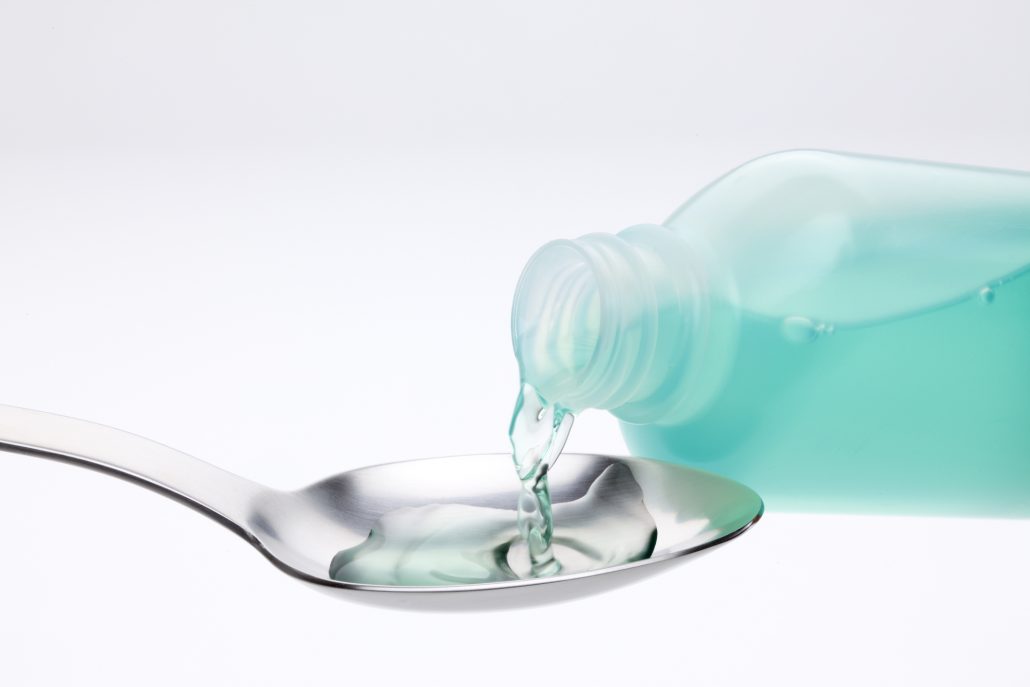
Ever since Methadone was introduced to combat opioid dependence, it has been leaned on by countless people over several decades to treat opioid abuse. For a long time methadone clinics have been looked to as a source of relief from an addiction to opioids, but are they as effective as people seem to think? Over time more people who have used methadone to try overcoming serious addictions have realized methadone maintenance also comes with a great deal of damaging side effects.
What is a methadone clinic?
A methadone clinic is a clinic for the dispensing of methadone. Because this is a schedule II opioid analgesic drug, access must be restricted. Methadone clinics are a way to provide people with this medication. But before you rush out to find the one closest to you, there are a lot of things to consider.
What is a Methadone Clinic: History of Methadone
Firstly, let us not that methadone is an opioid drug. It is used to treat pain, like most opioid medications, but most people know it as a maintenance drug for detoxing from dependence on other opioids, such as heroin. Methadone, sold under many brand names, including:
- Methadose
- Dolophine
- Symoron
- Amidone
- Physeptone
- Diskets
Different countries have different brands as well. A few footnotes of the history of methadone include:
Methadone was developed in Germany by Gustav Ehrhart and Max Bockmühl.
The United States approved the use of Methadone.
About 41.400 kilograms of methadone were manufactured globally
What is a Methadone Clinic: Methadone Detox
Methadone is available in various forms, including:
- Pill
- Sublingual tablet
- Two different formulations designed for the patient to drink
Drinkable forms include:
- Methadose- the ready-to-dispense liquid form found in theUnited States.
- Diskets- tablets designed to work like Alka-Seltzer, dispersing rapidly in water for oral administration.
The most common method of administration is the liquid form, because it allows for small dose changes. Methadone is almost as effective when administered orally as by injection.
Detoxification using methadone is intended to be a way for people addicted to opioids such as heroin or powerful prescription drugs to taper off, but at the same time detoxification using methadone has been met with a great deal of controversy.
Many who oppose methadone clinics refer to this strategy as methadone substitution. As a treatment of opioid addiction methadone is heavily criticized for its role in what some call “social control of addicts.” Many who oppose methadone suggested that the drug does not function as much to curb addiction as to redirect it and maintain dependency. In other words, some insist methadone is essentially keeping people addicted, but making sure the money goes to drug manufactures and methadone clinics instead of street dealers.
What is a Methadone Clinic: Methadone Side-Effects
There are so many adverse effects of methadone, which may vary in range and severity depending on the individual. There include, but are not limited to:
- Sedation
- Diarrhea or constipation
- Perspiration
- Heat intolerance
- Dizziness
- Fainting
- Itching
- Weakness
- Chronic fatigue
- Sleep problems
- Nausea
- Hallucinations
- Memory Loss
- Weight gain
- Stomach pains
- Mood changes
- Restlessness
- Decreased libido or impotence
- Urinary difficulty
- Blurred vision
- Skin rash
- Low blood pressure
- Headaches
- Seizures
- Heart problems
- Respiratory problems
Some of these adverse effects of methadone use are much more serious than others.
What is a Methadone Clinic: Withdrawal Symptoms
There is also a massive list of possible withdrawal symptoms from using methadone. This is one of the primary issues many people have with methadone treatment.
Physical withdrawals include:
- Runny nose and sneezing
- Nausea
- Vomiting
- Diarrhea
- Fever
- Sweating
- Chills
- Aches and pains (especially in joints)
- Sensitivity to pain
- Hyperventilation
- Tremors
- High blood pressure that may cause strokes
Others are more concerned with the mental aspect of the withdrawals experienced from methadone.
Cognitive withdrawals include:
- Suicidal ideation
- Drug cravings
- Depression
- Insomnia
- Delirium
- Hallucinations (auditory and visual)
- Agitation
- Anxiety
- Panic disorder
- Paranoia
- Delusions
- Apathy
The irony is that methadone withdrawal symptoms are even reported to last significantly longer than withdrawals from some other opioids. In some cases, people may even try to treat an opioid addiction with this drug not knowing that it is actually a much worse opioid to withdrawal from.
What is a Methadone Clinic: Methadone Overdose
As mentioned before, there are some very real dangers when it comes to using methadone.
- Between 1999 and 2004, deaths in the U.S. linked to methadone quadrupled.
- In 2004 reports credit methadone as contributing to 3,849 deaths, 82% of which were reported as accidental.
- In 2011, there were 4,418 deaths in the United States involving methadone. At the time that made up 26% of total deaths fromopioid poisoning.
Respiratory depression is probably the most common overdose risk related to opioid drugs. Other symptoms of a methadone overdose include:
- Hypoventilation (slow/shallow breathing)
- Drowsiness
- Cool, clammy skin
- Limp muscles
- Unconsciousness
- Coma
- Excessive vomiting
- Risks are greater with higher doses, as well as mixing methadone with any other drugs.
The risks of methadone are very, very real. In fact, U.S. Food and Drug Administration (FDA) issued a Public Health Advisory back in 2006 about methadone titled “Methadone Use for Pain Control May Result in Death and Life-Threatening Changes in Breathing and Heart Beat”. In the report, the FDA stated that they received reports of death and life-threatening side effects with patients who were newly starting methadone.
Both individuals who were starting methadone for pain, or who were trying to switch to it from another powerful narcotic pain reliever were included to be at an elevated risk, according to the FDA.
What is a Methadone Clinic: Another Way
Getting off of powerful opioid drugs, whether they are prescription narcotics or illicit street drugs, is possible without the use of methadone. While maintenance drugs can be useful to some extent as a means of harm reduction, these should not be considered as sustainable means of addiction recovery. Maintenance drugs are typically only ever effective if utilized in combination with therapy and other forms of addiction treatment.
Luckily there are other ways to get help. It is possible to be safely and effectively removed from a methadone taper through a safe medical detox. Understanding methadone can also be fatal is of vital significance. Methadone detox can be deadly if not supported by a medical staff with the right medications to help ease the pain and discomfort of the detox. Medical detox combined with a holistic treatment program is a proven strategy for saving lives.
If you or someone you love is struggling, do not wait. Please call toll-free now. We want to help. You are not alone.
CALL NOW 1-888-922-5398
by Justin Mckibben | May 16, 2017 | Addiction, Detox, Drug Abuse, Panic Disorder, Prescription Drugs, Xanax
With prescription drug abuse being one of the biggest issues facing the country today, there is an increasing need for education and awareness as to what these drugs really are and how powerful they can be. One of the prescription narcotics most commonly abused is Xanax, a name brand medication in the Benzodiazepine (Benzo) category of depressant drugs. This medication can be very helpful to those who use it accordingly, but it can also be seriously addictive and even life threatening.
So in taking a closer look at specific substances, we want to of course answer the question- how long does Xanax stay in your system.
How Long Does Xanax Stay in Your System: Understanding Alprazolam
Alprazolam is the generic name for a potent, short-acting anxiolytic drug in the benzodiazepine class. Xanax is actually a brand-name for Alprazolam, and is typically the most commonly known version. Alprazolam is frequently utilized in the treatment of anxiety disorders, such as:
The drug binds to a number of specific sites on the GABA receptor of the brain, and elicits responses as a:
- Anxiolytic (Anti-panic)
- Sedative
- Muscle relaxant
- Anti-convulsant
- Amnestic
- Antidepressant
While there is some debate about people building a tolerance to the anxiolytic effects, there is a clear indication that tolerance to the sedative effects will build in a couple days of using the drug. Thus, withdrawal symptoms can occur after only a few weeks of use if the drug is suddenly stopped.
How Long Does Xanax Stay in Your System: Side-Effects
There are various possible side-effects that may occur while taking Xanax or any Alprazolam drug. Some possible adverse effects include:
- Drowsiness
- Dizziness
- Fatigue
- Dry mouth
- Slurred speech
- Suicidal ideation
- Urinary retention
- Skin rash
- Respiratory depression
- Constipation
These side-effects can be uncomfortable and some are more common than others. However, probably some of the greater risks come with prolonged use, which can lead to severe dependence and withdrawal.
How Long Does Xanax Stay in Your System: Withdrawal
Another reason people as how long does Xanax stay in your system is to determine how long the withdrawal periods are. Once the body has developed dependence on a drug, withdrawal or “rebound” symptoms can make it extremely difficult to discontinue use. Some common symptoms of withdrawal from Xanax include:
- Rebound anxiety
- Panic
- Hallucination
- Insomnia
- Moodiness
- Tremors
- Nightmares
- Nausea
- Vomiting
- Seizures
Some of these seizures and other reactions can actually become life-threatening, making Xanax withdrawals some of the most dangerous one can experience.
How Long Does Xanax Stay in Your System: Overdose
When asking- how long does Xanax stay in your system- you may be concerned about the risks of overdose. An Alprazolam overdose can range from mild to severe depending on how much of the drug has been taken. One of the primary problems with an Alprazolam overdose is that it creates an excessive depression of the central nervous system. Some of the signs of Xanax overdose are:
- Dizziness
- Impaired balance
- Muscle weakness
- Hypotension
- Drowsiness
- Shallow breathing
- Fainting
- Coma
- Death
These risks may be more or less serious depending on a number of factors, including if Xanax is taken with any other substances.
How Long Does Xanax Stay in Your System: Half-life
As with all drugs, and even most chemicals or substances that enter our bodies, there are a number of factors that influence how long it takes for Xanax to leave the body, such as:
- Metabolism
- Height
- Weight
- Body fat content
- Age
- Health of the liver
- Kidney health
- Amount of the drug taken
- Length of time using the drug
Typically Xanax has a half-life of 9-16 hours, meaning it takes a healthy body 9-16 hours to get rid of half of a dose of the drug. Because of the half-life, the drug will typically be out of the systems after 4 days. However, this is usually just for the occasional consumption. Xanax can stay in the system for a week or longer for frequent or heavy users depending on the above factors.
How Long Does Xanax Stay in Your System: Detoxing
A huge problem with drugs like Xanax is that a lot of people assume these prescription narcotics are safer because they are not street drugs. Yet, Benzodiazepine drugs like Xanax are commonly connected to serious health issues. Beyond that, the dangers of addiction and the potentially fatal withdrawals are exactly why these medications are not nearly as safe as some people like to think they are.
Because of the risks of Xanax withdrawal it is crucial to seek out safe medical supervision for the detox process. Because Xanax can be present in the body for over a week for long-term users, it is important to have a means to monitor the complications Xanax withdrawal may cause. This is especially true if the individual has been using other substances in combination with Xanax.
Detoxing does not have to be what stands between someone who is suffering and a full recovery from this progressive and far too often fatal disease. If you want to get Xanax out of your system in a safe and effective way, a medical detox is the best choice. If you or someone you love is struggling, please call toll-free now.
CALL NOW 1-888-922-5398
by Justin Mckibben | May 5, 2017 | Addiction, Detox, Drug Abuse, Heroin, Opioids, Withdrawal
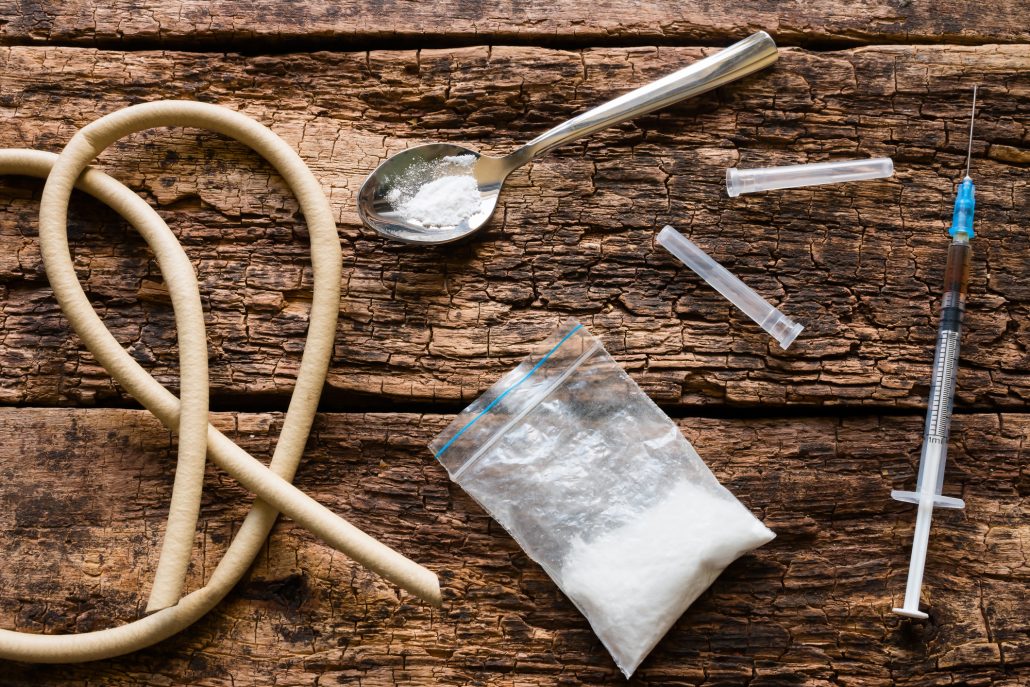
Heroin (diacetylmorphine) is a Schedule I controlled-substance in the United States and is considered by many to be the most addictive drug in the world when compared to other more popular illicit drugs. Heroin is typically associated with the highest likelihood of developing an addiction both psychologically and physically.
Given the fact that the country is facing the most deadly drug epidemic in American history thanks to the opioid overdose outbreak, heroin abuse is now a primary concern facing most of the nation. Other opioids, like prescription painkillers, have contributed to the rising rates of heroin use, and the addition of other potent drugs like fentanyl, heroin is more dangerous than ever.
Heroin overdose is currently one of the top causes of accidental death. People use more than the body can handle and it shuts down. Also, the withdrawals of heroin can be particularly difficult. So how long does heroin stay in your system?
How Long Does Heroin Stay in Your System: Important Elements
When asking how long does heroin stay in your system we have to examine some of the important elements that impact the effects of heroin on the body. Heroin is typically injected intravenously to make a faster impact, but it is also smoked or snorted. Heroin has longer lasting effects compared to drugs like cocaine and meth, but it also has a shorter half-life of only approximately 30 minutes.
What does half-life of heroin mean? Essentially, when an individual uses a single dose of heroin, it will take about 30 minutes for half of the drug in the person’s system to be flushed out. However, some studies actually suggest that this half-life is as short as 3-8 minutes, not 30.
The accurate amount of time it would take is not cut and dry. The half-life of heroin depends on a number of factors for each individual, including:
- Height
- Weight
- Age
- Genetics
- Body fat
- The amount taken
- Purity of the drug
- Method of use
- Metabolism
- Health of the liver
- Kidney health
- Hydration
Not all bodies are the same, so of course not all bodies will be able to get rid of heroin at the same exact rate. A body with more fatty tissue and less hydration will probably retain the chemicals longer than someone well-hydrated with a lean build.
How Long Does Heroin Stay in Your System: Drug Testing for Heroin
Some might hope they can measure the presence of heroin in the system based on drug tests. Of course the length of time a drug is detectable with a drug test depends directly on the rate at which heroin leaves the body. Different drug tests often have different lengths of time they measure, so one might be able to tell you someone used heroin, but it may not be particularly active in the body.
Approved drug tests through the Food and Drug Administration (FDA) for heroin use:
- Blood
- Saliva
- Urine
- Hair follicle
Heroin is typically no longer detectable in a person’s urine after just 2 days, but some tests have detected positive results in up to 7 days.
Blood and saliva tests aren’t often used for most opioids because they have such a short half-life. It can only take about 5-6 hours for heroin to be undetectable for these tests, but in some cases it may actually last up to 2 days.
The only effective long-term test for traces of heroin is the hair follicle test, which can detect heroin for up to 3 months or more. However, if you are trying to find out if heroin is still active in the body, the long-term doesn’t really help.
Many tests now look for heroin metabolites, which are what is created when the liver metabolizes the drug. These stay in the system much longer than the actual intoxicant, so while you can detect the presence of the metabolites, the drug itself isn’t necessarily active. However, many believe that among long-term and/or frequent heroin users, the drug may actually remain in a person’s system for much longer than detectable on a drug test.
How Long Does Heroin Stay in Your System: Withdrawal
One reason many people will want to know how long heroin stays in the system is for the sake of overcoming their withdrawal symptoms. Especially for those who are familiar with suffering through these painful periods of abstinence, the question of how long does heroin stay in your system is about avoiding extended discomfort.
Withdrawal symptoms of heroin include:
- Sweating
- Insomnia
- Malaise
- Extreme anxiety
- Depression
- Itchiness
- Excessive yawning and sneezing
- Runny nose
- Cold sweats
- Chills
- Severe muscle and bone aches
- Nausea
- Vomiting
- Diarrhea
- Fever
- Cramp-like pains
- Involuntary spasms in the legs, arms, and neck
Heroin withdrawals will not be the same for everyone. The same things that impact how long it stays in the system will also impact how severe the withdrawals are. Other substances that are used along with heroin will also have an impact on how serious the withdrawals can be and how long they may persist.
It has been estimated that heroin withdrawal symptom can start within 6-12 hours from the last dose and may be present up to 5-10 days.
How Long Does Heroin Stay in Your System: Overdose Danger
One big reason things like the half-life matter is because of how it increases the risks of overdose.
If we say that after ingesting heroin approximately 50% of the drug has been cleared from the body in somewhere between 8-30 minutes, what tends to happen during this time is that many people assume by time their “high” ends, most of the heroin is already fully cleared from their system. However, when the “high” ends, up to 50% of the heroin will still be in your system, and so will its metabolites! So while some people think the high wears off that quick so they may think it’s safe to do more, there is still a fair amount of that drug present in the body.
Although heroin is quickly metabolized and eliminated from the body, its metabolites remain present for a longer duration. When heroin is used it is de-acetylated into 6-monoacetylmorphine (6-MAM). This chemical then metabolizes into morphine. Morphine’s half-life is estimated to be between 1.5 and 7 hours. As a result, the morphine in the body created by using heroin could stay in your system for 1.60 days before it is entirely eliminated.
So when we ask how long does heroin stay in your system, it isn’t a one-size-fits-all thing. What we can say is that one thing the probably contributes a lot to the skyrocketing rates of overdoses and deaths is that people don’t understand the heroin half-life or how long it stays in the system.
The longer the drug is in the system, the harder it will be to detox from it. That is why medical detox is so crucial to effectively and safely getting off of heroin. It also shows why treatment can be critical to lasting recovery. If you or someone you love is struggling, please call toll-free now.
CALL NOW 1-888-922-5398


