by Sher Delva | Jun 27, 2017 | Addiction, Addiction Stigma, Addiction Treatment, Drug Abuse, Mental Health, Stigma
When it comes to addiction treatment, there’s much that is misunderstood. South Florida is receiving more negative press than ever before in regards to the drug addiction industry
In case you missed it, journalist Megyn Kelly covered issues plaguing the South Florida recovery community in an NBC News Investigation piece. While the piece did an excellent job exposing the bad apples of the addiction industry, it left out important pieces of the puzzle.
To begin, addiction treatment and sober homes are not the same. The piece mentions sober homes and recovery centers interchangeably. This can lead to some confusion as there are differences between the two.
Toward the beginning of the piece, Kelly describes Palm Beach County as the “recovery capital of America” and notes that “some 400 addiction treatment centers are luring thousands of young people.” Soon after, the piece cuts to an overdose occurring in a sober home. This insinuates that sober homes and residential treatment are the same, or connected to one another. In this article, we will specify some of the differences between a sober home and addiction treatment.
What is Addiction Treatment?
There are many well-regarded addiction treatment facilities that have operated for decades in South Florida. When a client first comes to Florida for treatment, typically they go to residential treatment.
Addiction treatment facilities are more regulated than sober homes. Addiction treatment facilities provide around the clock treatment for clients seeking help. Detox is the first level of care for a drug or alcohol treatment program. In this stage, the client is monitored and guided through a safe medical detox.Once medically detoxed, the client enters the residential treatment program. During this stage, the client receives a custom treatment program which includes a combination of therapy, group classes and more.
In addiction treatment, there are licensed mental health professionals and physicians involved in helping clients get sober. There are different levels of care at treatment centers, including detox, residential, day/night treatment (sometimes referred to as partial hospitalization), intensive outpatient, and outpatient treatment.
Residential addiction treatment can last anywhere from 30 to 90 days and in rarer cases longer. Outpatient programs are different from sober homes in that they provide the varying levels of therapeutic care, but the client does not stay overnight.
What are sober homes?
On the other hand, sober homes are essentially homes where groups of people in recovery live together. Sober living units are privately owned and are free of a lot of the regulations needed to open a residential treatment facility.
Fewer restrictions mean people with bad intentions can open a sober home to cash in on the opioid epidemic occurring throughout the nation. Almost anyone can open a sober home, although regulations are being implemented to change this.
While some sober homes are stricter and have tough guidelines such as regular drug screenings, and mandatory meetings, others are not. Some sober homes are simply that: sober homes. These houses are bought and marketed for those who leave addiction treatment and they are not always created by people with the best intentions.
So why do people go to sober homes?
Instead of returning home, many clients will go to sober homes for guidance in maintaining their sobriety. Sober homes give clients a taste of what it will be like to maintain their sobriety on their own. They typically are not the first stop on the road to recovery. Sober homes provide a smoother transition into the real world.
While some sober homes are operated by the same people who run treatment centers, others are not. A sober home typically has a house manager who helps oversee all residents. Living in the sober home helps a person in recovery take charge of their life by learning to pay rent, buy their food, and abide by rules sober. Due to a variety of factors, more people are not going to addiction treatment as their first stop. Some are going to detox and then immediately to a sober home. This creates challenges as sober homes lack the structure and guidelines of an addiction treatment center.
To learn more about the difference between these two, subscribe to our blog and check out our FREE e-book:
5 Critical Mistakes To Avoid When Picking A Sober Home
DOWNLOAD FREE E-BOOK
Truth about Sober Homes vs. Addiction Treatment
South Florida offers vast amounts of recovery options, and with that comes those who take advantage of a booming industry.
Unethical practices happen in illegitimate sober homes and corrupt treatment centers. However, legitimate and accredited treatment centers are out there that do support recovery. Not all addiction facilities in South Florida participate in these illegal practices. Furthermore, the media suggests that Florida has the worse overdose rates of anywhere else, and this is not correct. Areas like Ohio, West Virginia, and others are much higher.
It is important to understand the difference between a sober home and residential treatment. A person in a sober home is living more independently than someone in treatment. The original purpose of a sober home is to be a smoother transition in the recovery process.
Overall, addiction treatment is the first step in treating addiction, not sober homes. There is a difference between the two and it is important that people know the difference. Please make informed decisions when choosing a treatment center for you or a loved one. We can help you in this process. Do not wait. Call now.
CALL NOW 1-888-922-5398
by Justin Mckibben | Jun 26, 2017 | Addiction, Addiction Stigma, Addiction Treatment, Drug Abuse, Inpatient Treatment, Opioids, Stigma

In the past few weeks, there has been an influx of negative coverage from some very prominent voices in media, including the New York Times and most recently Megyn Kelly in an NBC News Investigation piece, about the issues that have been plaguing the South Florida recovery community. Bad news travels fast, and these days every bit of it goes viral. There is a lot to say about the topic. A lot has already been said, but this conversation means something very significant to a lot of people.
This is nothing new; stories from various sources have been published over the last few years. From local news outlets like the Sun Sentinel or Palm Beach Post, to more nationally (or internationally) known outlets like BuzzFeed, cautionary tales have been reaching out to warn people about the dangers of illegitimate and unregulated drug treatment and sober homes.
Reports have highlighted the devastation of the opioid overdose crisis, and rightfully so.
They have exposed some of the most apprehensible and illicit activities of patient brokers and fraudulent facilities.
The media has engaged in a full-on assault against the corruption and criminality of the South Florida drug treatment industry, and we have a few words for them…
THANK YOU… FINALLY!
With Gratitude
With great gratitude, we thank the media for all the coverage of everything wrong with the treatment industry, because it is about time we all addressed these problems.
Finally, we have more people paying attention to the serious and life-threatening faults of shady and illegitimate drug rehab and sober home companies. Any number of the recent reports will show that for years unscrupulous con-artists have profited millions of dollars off of the suffering of some of the most vulnerable people in the country, under the pretense of providing some semblance of health care and therapeutic value.
For too long there have been grossly unethical practices involved in those abusing the treatment industry. Human trafficking in the form of patient brokering and providing drugs to relapsed addicts in order to defraud insurers are only part of this complex issue.
Thankfully, there are finally more proactive steps being taken to prevent these issues from continuing or escalating to even more extremes. The state attorney, along with the efforts of law enforcement and task forces, are taking more action against those who exploit the system. As far as the limits and loop holes, new legislation is being advanced. Arrests and raids are putting an end to many of these illegal enterprises.
“But there is hope”, as Cynthia McFadden on the NBC news video put it. As per the interview on Megyn Kelly’s program, Palm Beach County State Attorney Dave Aronberg states that they have made 29 arrests in Palm Beach County since last July, being patient brokers, treatment center owners, and corrupt doctors and with many more to come.
Thank you… but we need more action!
With Humility
Respectfully, and with humility, we think we would all fare better without making statements that paint the entire treatment industry and the recovery community with a broad stroke of prejudice. Especially when it comes to distinguishing addiction treatment facilities from sober living facilities, because they are not the same thing. A lot of stories forget to mention that the issues with sober living may often have nothing to do with the treatment industry, and that almost no one ever send their loved ones to South Florida for sober living homes.To learn more about the difference between these two, subscribe to our blog and check out our FREE e-book:
5 Critical Mistakes To Avoid When Picking A Sober Home
DOWNLOAD FREE E-BOOK
Still, we should lay out all the facts.
Some reports will claim Florida has the worst overdose death rates in the nation. The only problem… it’s not even close to true.
For example: Florida actually had less overdose deaths per 100,000 people than 23 other states! These numbers include the top 5:
- West Virginia- 41.5 per 100,000 people
- New Hampshire- 34.3 per 100,000 people
- Kentucky- 29.9 per 100,000 people
- Ohio- 29.9 per 100,000 people
- Rhode Island- 28.2 per 100,000 people
Meanwhile, Florida is 24th on that list. Florida has experienced increasing rates of drug overdoses over the last few years, although still not in the top 3 states as of the most recent figures. Yet, people forget to note that overdose rates don’t necessarily mean overdose deaths. The distinction may seem small, but ask any addict and they will tell you there is a big difference.
Of course we should not ignore the bad, and we all know the opioid epidemic is bad and Florida has suffered greatly. But it is an equal injustice to ignore the facts plaguing the rest of the country. It is also unjust to condemn the treatment providers who still believe in doing the right thing. It is true that there are more unethical and illegal facilities than previous years. But to assume every facility qualifies for this kind of categorization is unfair, to say the least.
Let us not forget, South Florida is home to some of the best high-quality holistic drug and alcohol treatment in the country. There are numerous addiction treatment providers who have been serving South Florida and the recovery community for decades; helping countless people in pain while making consistent contributions to the sustained improvement of their clients and their communities.
But again, we thank those who are out there challenging the current system and demanding better care. This call to action means those of us willing to suit up and show up have all the more reason to keep doing what we believe in. It means anyone looking for treatment will know what to look for and what questions they need to ask, because this is vital to keeping their loved ones safe. Asking the right questions can lead you to the right kind of help.
All this means the South Florida treatment providers who are committed to helping people will step up and show that what we do makes a difference.
For a more detailed look into the difference between addiction treatment programs and sober living facilities, download our FREE e-book:
5 Critical Mistakes When Picking a Treatment Center and How to Avoid Them
DOWNLOAD FREE E-BOOK
With Hope
The impacts of the indecent and deceitful practices that have touched the treatment industry are heartbreaking. We all see the dire tragedy of it, including those of us in the treatment industry who still believe in helping people who suffer.
Accredited and legitimate treatment providers are also impacted by these problems. Patient brokers will sometimes infiltrate high quality and honest facilities disguised as patients themselves in order to recruit patients to other illegally operated facilities. Brokers sell their victims false hope, with promises like:
- Material gifts
- Cash payments
- Free rent
Brokers can end up pulling patients out of treatment, against medical advice, in order to exploit their insurance benefits without equipping the individual with any level of care or even basic security. This terrible strategy is one of the obstacles that authentic treatment providers must frequently try to overcome; the outside influence of people trying to take advantage of the entire industry.
So again, THANK YOU. The more light we shine on the shady parts of what has happened, the more people will see where the greater danger exists. Addiction treatment in South Florida is NOT the problem; people who exploit addicts fighting a life and death battle and call it treatment… THAT is the problem. Not to mention the environment in the nation that is breeding this opioid crisis in the first place.
Our hope is, as we strive with all we can to improve how we care for and address substance use disorder and its related issues, that we can inspire others to see that real recovery is possible. We hope our dedication to creating lasting change in the lives of all the people who come to us for help will prove that people can recover, and that treatment does work.
With Compassion
Perhaps most importantly, we thank the media for raising awareness and igniting a conversation. Since the first few reports started to gain popularity, more people are talking about it. The momentum has created a greater platform, and we need to make it count. More people are connecting to the discussion, which means there is more hope than ever of finding a solution.
I will say what I said in an article last week, in case anyone missed it… we are in this together.
This unites all of us in a common objective- to end the extortion of the men and women, sons and daughters, fathers and mothers who need our compassion, now more than ever. With compassion, we can meet in the middle and have a real conversation. It means dropping the stigma of substance use disorder and having an open dialog about how we can all help each other make this country, not just South Florida but all of America, a better place for the addict who still needs help.
We still believe in the value of quality care. We still believe in the recovery community of South Florida, and because of it we are grateful that something is being done. While we still think there is plenty more to do, we are hopeful. If no one talks about it, no one will be willing to help fix it. Hopefully we will be able to move this conversation toward how we can best take care of each other, especially those who have already lost so much. Our mission is to take this topic from what is wrong with those who hurt people and turn it to what is right and what has been accomplished for the people who needed it most.
It is time we really work together to make a difference. Politicians, law enforcement, health care advocates, trustworthy and accredited treatment providers and members of the recovery community have to pull together and speak out about this if we ever want it to get better.
While some people may disagree with this piece and the delivery, the media has at least accomplished something- they have reminded us of an important part of the conversation. Surely, South Florida has an amazing recovery community, but if we pretend it is perfect it will never get better. Awareness might help us change everyone’s perspective.
So to the New York Times, Megyn Kelly, NBC News and all other news outlets, with gratitude and humility, hope and compassion… we thank you.
P.S. For more on this subject, like us on Facebook or subscribe to our blog. We look forward to keeping up the conversation.
For more information on how to find a safe, ethical and effective addiction treatment program make sure to explore more of our Palm Healthcare Company website. If you or someone you love is struggling, please call toll-free now. We want to help.
CALL NOW 1-888-922-5398
by Sher Delva | Jun 22, 2017 | Addiction, Addiction Medicine, Addiction Stigma, Addiction Treatment, Stigma, Therapy, Withdrawal
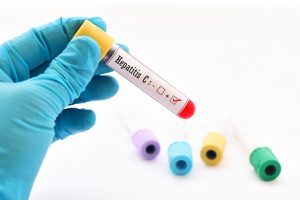 The opioid epidemic continues to reach epidemic numbers, and with the increasing overdoses comes increasing cases of hepatitis C. New cases of hepatitis C have nearly doubled over the past few years. Furthermore, those with opioid addiction are more likely to suffer from a variety of health disorders, complicating treatment for substance use disorder.
Hepatitis C is among the most concerning disorder to affect people with opioid addiction. People who abuse opioids are 9.1 times more likely to have hepatitis-C (HCV), in comparison to those who did not abuse opioids, according to an analysis by the health care company Amino. Amino drew data from the claims of 3.1 million privately insured patients between 2014 and 2016.
As the opioid epidemic spreads throughout the country, new cases of HCV have skyrocketed. In 2014, there were an estimated 30,500 new cases in the United States. This is nearly double the number of new cases in 2011, according to STAT News.
The CDC reports that new HCV infection is rising specifically among intravenous drug users under 40 years old, particularly in more rural areas. People with opioid use disorder are more likely to drink to excess, and more likely to have suicidal ideation.
While these numbers are shocking, many are not surprised:
“It’s known that people with co-occurring behavioral and mental health issues are at high risk for addiction even when prescribed opioids for a bonafide prescription medical use,” Dr. Anna Lembke, a Stanford University psychiatrist, and opioid addiction expert, told Amino.
However, Lembke was particularly moved by the fact that people with opioid addiction are seven times more likely to suffer from “failed back syndrome,” a chronic condition that is diagnosed following back surgeries.
“What I thought was really interesting was the correlation with failed back syndrome,” she said. “Perhaps failed back syndrome is a risk factor for developing an opioid use disorder—and that could be part of the reason why this community experiences such chronicity and lack of improvement. This is a subgroup that’s especially vulnerable to opioid misuse.”
The data collected by Amino looked at health claims among people with a variety of insurance codes, representing conditions from opioid dependence to opioid abuse in remission. Amino is a private insurer, and the data revealed a sharp increase in opioid abuse specifically among those with private insurance. According to the data, there was a six-fold increase in opioid-related insurance claimed between 2012 and 2016 among private insurers.
However, Lembke notes that this sharp increase may be underrepresented:
“Patients don’t want to carry them on their charts, and doctors don’t want to stigmatize their patients,” said Lembke. “But they will go ahead and chart it if there’s utility in it. And the utility is you can’t get buprenorphine, methadone maintenance, or naltrexone paid for by a third-party payer unless it’s diagnosed.”
Last month was Hepatitis Awareness Month. The treatments for hepatitis C have really come a long way, and it no longer as life endangering as It once was. The key is to seek treatment early. Unfortunately, due to the stigma of addiction, many are afraid to get tested.
Studies like these show that the numbers are not improving. Those with opioid addiction seriously need testing to prevent the disease from progressing any further. Please do not feel shame about testing for this disorder. Furthermore, if you are struggling with substance use disorder, please reach out to us. We have the tools to guide you to a sober life. Do not wait. Call today.
CALL NOW 1-888-922-5398
by Sher Delva | Jun 20, 2017 | Addiction, Addiction Stigma, Drug Abuse, Mental Health, Stigma, Therapy, Uncategorized
Autopsy reveals Carrie Fisher had cocaine, ecstasy, and heroin in her system before death
Six months after Carrie Fisher’s death, new reports reveal the cause of death.
Coroner’s officials ruled that Fisher died from sleep apnea and a combination of other factors. The “Star Wars” actress fell ill on the plane last year, but investigators could not determine what impact drugs had on her death.
New Toxicology Reports
Now, toxicology reports reveal that Fisher had cocaine in her system and could have taken cocaine three days prior to the December 23 flight on which she had a heart attack. Fisher died four days after the flight.
The reports also say traces of heroin, other opiates, and ecstasy were found, but they could not determine when Fisher took these drugs. The findings were based on toxicology screenings taken when the “Star Wars” actress arrived at a Los Angeles hospital.
The full report contains a detailed explanation of the results, such as why investigations believe cocaine was taken by the actress at least three days prior to her flight. It also states that while heroin is detectable in the system for a briefer period of time, investigators could not determine when Fisher took it or ecstasy. Toxicology tests also found opiates in Fisher’s system, including morphine, although reports state this could be a byproduct of heroin.
“Ms. Fisher suffered what appeared to be a cardiac arrest on the airplane accompanied by vomiting and with a history of sleep apnea. Based on the available toxicological information, we cannot establish the significance of the multiple substances that were detected in Ms. Fisher’s blood and tissue, with regard to the cause of death,” the report states.
Other Potential Factors
Among the factors that contributed to Fisher’s death was the buildup of fatty tissue in the walls of her arteries, a condition known as atherosclerosis.
A phone message left for Fisher’s brother, Todd, was not immediately returned. Todd Fisher said in a statement Friday that he was not surprised
“I would tell you, from my perspective that there’s certainly no news that Carrie did drugs,” Todd Fisher said.
Carrie Fisher has been open about her drug use to the media and wrote about her struggles extensively. Many of the drugs were prescriptions by doctors to help Fisher overcome her mental health conditions, Todd Fisher noted. Fisher had long battled drug addiction and mental illness.
Fisher started smoking marijuana at 13, used LSD by 21, and was diagnosed with bipolar disorder at 24. Doctors treated her with medication and even electroshock therapy.
“I am not shocked that part of her health was affected by drugs,” Todd Fisher said.
So what was the cause of Fisher’s death?
Todd Fisher believes it was a combination of Fisher’s heart condition along with her smoking habits, and the medications she took.
“If you want to know what killed her, it’s all of it,” he said.
Carrie Fisher opened up in 2016 about her life-long struggles with insecurity. She admits she dealt with it extensively in the original “Star Wars” movie in the 70s. She even admitted to an affair with co-star Harrison Ford, at only 19 years old, in which she felt tremendous guilt.
Furthermore, Fisher has revealed challenges with body image after gaining weight. Before filming “Star Wars: Episode VII”, Fisher admits she was told to lose 35 pounds.
—
Fisher’s life has not always been easy. However, we will always love and appreciated her work. Addiction is a disease and should be treated as such. Fisher’s struggles are not a reflection of who she is as a person. She struggled with the disease of mental illness and addiction like many do. If you struggle with the same issues, please reach out. We want to help you before it is too late. Call now.
CALL NOW 1-888-922-5398
by Justin Mckibben | Jun 13, 2017 | Addiction, Addiction Stigma, Addiction Treatment, Detox, Drug Abuse, Heroin, Opioids, Parenting

Recently I came across an article with a title essentially warning people not to send their family members to Florida for drug and alcohol treatment. The interviews argue that high rates of overdose should justify officials urging people in other states not to send their kids to treatment in the area. However, the article also acknowledges that “South Florida has long been a destination for world-class addiction treatment” and includes a quote from Palm Beach County League of Cities member Andy Amoroso stating:
“Stop sending your children and your loved ones to South Florida,”
I think there is a real problem with this kind of statement though…
It ignores the fact that most people looking for recovery come from states with much worse issues of overdose crisis than South Florida.
To be clear, Florida has seen a spike in drug related issues, but guess what… so has basically everywhere in America! We are in the midst of a drug overdose epidemic all across this nation.
For example, let’s talk about where I came from. In 2014 I wrote about how my home state of Ohio led the nation in opioid overdose deaths. Ohio now also has the highest rates of heroin related deaths.
1 out of every 9 heroin deaths… happens in Ohio!
Dayton, Ohio is number 1 in the country by many reports for drug overdoses. Today, Dayton is quickly becoming known as the heroin capitol of America.
I have lived in Florida for around 4 years after coming to Delray Beach to get sober. I am an active member of a vast recovery community in the Palm Beach County area, and I would never have gotten the chance to do all the amazing and life changing work I am privileged to do if no one had sent me to South Florida to get help. In all likelihood, I would be dead.
Crunching the Country’s Overdose Numbers
There is no denying that Florida is typically in the top 5 rankings when it comes to total overdose numbers. However, there should also be some context to really show the difference between how other states are being affected. To get a little perspective, I want to run down some numbers.
The Henry J. Kaiser Family Foundation compiled data from every state in order to show some details on the opioid overdose crisis. In those numbers they discovered the top 3 states in opioid overdose deaths for 2014 were:
-
Ohio- 2,106 opioid overdoses- which was 7.4% of nationwide deaths
-
California- 2,024 deaths
-
New York- 1,739 deaths
Out of 10,584 nationwide heroin related deaths in 2014, 1,208 were in Ohio. That is 11.4% of the countries heroin deaths in a state with a population a fraction of the size of California’s, New York’s and Florida’s.
In 2015 the top 3 states for overall overdoses were:
-
California- 4,659
-
Ohio- 3,310
-
Pennsylvania- 3,264
In 2015 Ohio’s overdose death rates jumped again to 3,310. In 2016 those numbers are again expected to have skyrocketed to well over 4,000.
While we should acknowledge that the entire state of Florida had around 3,228 overall overdose deaths in 2015, Florida actually had less deaths per 100,000 people compared to 23 other states! These numbers include the top 5:
-
West Virginia- 41.5 per 100,000 people
-
New Hampshire- 34.3 per 100,000 people
-
Kentucky- 29.9 per 100,000 people
-
Ohio- 29.9 per 100,000 people
-
Rhode Island- 28.2 per 100,000 people
As well as:
-
Michigan
-
Massachusetts
-
Tennessee
-
Maryland
-
Indiana
-
Louisiana
-
Connecticut
-
Oklahoma
-
New Mexico
-
Nevada
-
Arizona
-
Utah
-
Maine
-
Delaware
-
Missouri
-
Vermont
-
Wyoming
-
New Jersey
So while Florida may be experiencing high rates of overdose, we need to see that dozens of states are seeing a much higher percent of their population be killed by drugs. Some states have less than half the population Florida does, but are still suffering with tragically high percentages of their population dying from overdose. Those people who want help deserve access to that same “world-class addiction treatment” that South Florida has to offer. For several years, countless families across the U.S. have suffered while the resources and the community in South Florida has helped to save thousands of men and women who needed a little hope and a second chance.
Prescription Drug Problem
In the Midwest, the problem with prescription drug abuse is an extremely distressing element of the opioid crisis. In 12 states, the number of opioid painkiller prescriptions actually exceeds the number of residents living in those states! This includes:
Out of the 1.3 million people living in this state, there were 13 million doses of opioids dispensed in a 3 month period!
-
West Virginia
-
Oklahoma
-
Arkansas
-
Louisiana
-
Alabama
-
Tennessee
-
Mississippi
-
South Carolina
-
Kentucky
-
Michigan
-
Ohio
Just in case you haven’t seen the news in the past few years, prescription drugs have been one of the largest contributing factors to the current opioid epidemic and the rise in heroin addiction.
Real Resources
The reality is professional and effective treatment programs in South Florida save the lives of countless people from all over the United States. The positive impact on the world is immeasurable. The reason so many people travel here for treatment is not just the fact that there are beaches and sun in Florida (Although they are amazing). They travel because so many of the states being hit the hardest by the opioid epidemic are states that have limited resources when it comes to comprehensive drug addiction treatment.
We aren’t traveling here to bring drugs Florida had never heard of before. We’re trying to escape the familiar and fatal atmosphere we were stuck in for so long. We take this drastic step in a desperate time because we want to believe the help is out there.
Some would still argue that a large number of treatment centers creates a problem with corruption within the industry itself. One can’t argue with some of the stories we read, but if that’s the case maybe instead of turning people away we should be educating people on the most important things to look for in a legitimate treatment program. We should encourage families to seek out qualified and established addiction specialists. Instead of insisting they shouldn’t trust the industry; we should be telling them to look for the accredited addiction specialists who have earned a respected reputation through their record in service and their certifications. Let’s celebrate the treatment providers who do make a difference instead of signing on for whole-sale condemnation.
At the very least, lets teach them to make sure a treatment facility in South Florida is approved by:
The Joint Commission is a United States-based nonprofit organization that accredits more than 21,000 health care organizations and programs in the U.S.
-
Florida Department of Children and Families (DCF)
The DCF is a state agency providing social services to children, adults, refugees, domestic violence victims and a number of other groups.
To learn more about how to find an accredited and effective treatment program, download our FREE e-book
“5 Critical Mistakes When Picking a Treatment Center and How to Avoid Them”
DOWNLOAD FREE E-BOOK
No matter where we live we should never turn people away from our community for help. We should provide a platform for awareness. It is critical that addicts and their families know what makes effective treatment programs important. Florida should always be proud of the strength of its recovery community.
We are in this together
Accurate and detailed data for overdose death rates 2016 is not yet available. Yet it is estimated that almost 60,000 Americans died last year from drug overdose. Some experts say over 2 million Americans are suspected to be opioid dependent currently, and that overdose death rates in 2017 are only going to get worse.
Of course, it is understandable that people are concerned about the strain that addiction and overdose puts on their communities, but there is something we cannot, as Americans, forget… we are in this together. In the article I mentioned previously, one of the individuals quoted spoke of people struggling with addiction like we are all inconvenient intruders who have no place in their neighborhood. Thankfully, this is not the experience many of us live with.
I have to say it again… We are in this together.
We are all citizens of the same free country fighting the same fight. Even more important, we are all human beings. Every one of us is free to seek something that can save us. I often believe I would have never had this chance if I had not come to South Florida. I didn’t know what was possible… and thankfully nobody told me not to come looking for it. Nobody told me I wasn’t welcome.
This isn’t just about South Florida; any community with addiction treatment programs and a recovery community should know, we get it. We understand how it can seem a little scary when you think your neighborhood is changing. It’s easier to say “as long as it’s happening over there” until “over there” becomes everywhere.
At the height of the opioid epidemic in America, it is certainly not the time to hide the welcome mat and use fear to scare people away. It is time to make our voices louder and unify the recovery community to show more people that recovery is possible. Until more treatment opportunities are advocated for across the country, we will use every resources we have to preserve and protect the lives of those who are suffering. South Florida is still a great place for addiction treatment. If no one has told you yet, you are welcome here!
Palm Healthcare Company has been serving the South Florida community for 20 years, now with multiple specialized facilities and innovative holistic treatment programs designed to help create lasting change. If you or someone you love is struggling with substance abuse or addiction, please call now. We want to help. You are not alone.
CALL NOW 1-888-922-5398


